Can you get rust off a bike? A practical DIY guide
Learn safe, effective DIY methods to remove rust from bicycles and prevent it from returning. Step-by-step instructions, tools, safety tips, and maintenance guidance for DIY enthusiasts.


can you get rust of a bike? Yes—this guide covers practical, safe DIY methods to remove rust from bicycle frames, chains, and components, plus prevention tips to slow future corrosion and keep your ride smooth and reliable. It also outlines tools, safety, and limits of home rust removal.
Understanding rust on bikes
Rust is the oxidation of iron and steel components when exposed to moisture, oxygen, and certain electrolytes. On bikes, surface rust often appears on frames, chain rings, brake calipers, spokes, and fasteners. The question can you get rust off a bike has a practical answer: in many cases you can remove or significantly reduce surface rust with common DIY methods. The key is to differentiate surface rust from deep corrosion that might compromise strength. This guide focuses on safe techniques suitable for most steel and some alloy bicycles, along with clear warnings about when to stop and seek professional help to avoid compromising safety. Corrosion Expert’s experience indicates that addressing rust early dramatically improves outcomes and extends bike life.
Common rust hotspots on bicycles
Bikes accumulate rust most readily on exposed metal surfaces that aren’t protected or cleaned regularly. Common hotspots include frame joints and welds, dropout areas, chain rings and derailleur cages, brake components, spokes and nipples, and seatpost clamps. Water from rain, moisture in the environment, salty roads, and sweat from regular riding all contribute. If your bike has steel components or a low-grade coating, rust can form sooner. Regular inspection helps you spot rust early and act before it spreads. The goal is to catch rust before it penetrates paint or finishes, which is easier to treat and repair.
Assessing the severity: surface rust vs structural rust
Not all rust is the same. Surface rust is a superficial layer that can be cleaned and treated without weakening the component. Structural rust, however, compromises metal integrity and may require replacement. Signs of structural rust include flaking, deep pitting, rough texture under paint, or rust that has penetrated into threaded parts. When you suspect structural rust on critical parts like the frame, fork, or connectors, stop, consult a professional, and avoid riding the bike until assessed. For most DIY projects, you’ll be dealing with surface rust on steel or iron parts, with careful steps to remove it and protect the surface going forward.
DIY rust removal methods: brute force to gentler options
DIYers have a spectrum of options depending on rust severity. Gentle methods include penetrating oils (like WD-40 or similar), mechanical removal with brass or steel brushes, and lint-free cloths to wipe away loosened rust. For stubborn spots, light sanding with fine grit (e.g., 320-400) can smooth the surface. For more built-up rust, you may use rust removers designed for bikes, lemon juice or vinegar as natural alternatives, and finishing with a rust inhibitor or primer. Always test a small area first and follow product directions. The goal is to remove rust without damaging underlying paint or delicate components.
Step-by-step: safe rust removal for frames and components
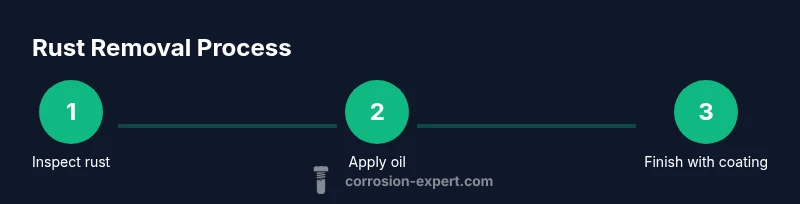
- Prepare your workspace and safety gear: coat the work area, wear eye protection, gloves, and a mask. 2) Locate and inspect rusted areas, prioritizing moving parts and joints. 3) Apply a penetrating oil and let it dwell for a few minutes to loosen corrosion. 4) Gently scrub loose rust with a brass brush, then wipe clean. 5) Lightly sand with 320-400 grit to smooth the surface. 6) Apply a bike-safe rust remover as directed, then rinse and dry thoroughly. 7) If desired, apply a rust converter or primer to stabilize the metal. 8) Reassemble, lubricate, and protect with paint, clear coat, or protective coating. 9) Recheck after a day and again after a few weeks to catch any new rust early. 10) Document your maintenance plan to prevent future rust.
Using rust converters and coatings
Rust converters react with iron oxide to form a stable layer that can be painted over. They’re useful for spots where you cannot remove all rust. After treating with a converter, apply a primer and paint or clear coat designed for bikes to seal the surface. Coatings should be bicycle-safe and compatible with the existing paint. This step helps prevent future moisture ingress and slows reformation of rust on exposed metal.
Prevention strategies to slow rust return
Prevention is cheaper than cure. Regular cleaning and drying after rides, especially in wet or salty environments, reduces rust formation. Apply a light protective film or wax to exposed steel parts. Lubricate moving parts such as chains, derailleurs, and cables to minimize moisture retention and friction that can wear protective coatings. Use rust-inhibiting sprays on non-painted metal surfaces if appropriate, and replace corroded fasteners promptly. Store the bike indoors or under cover and periodically inspect for early signs of rust.
Cleaning and maintenance routine after removal
Post-removal maintenance matters. Wipe surfaces with a clean cloth, re-lubricate chain and gears, and check for scratches in the paint where rust was removed. If you repaired the finish, touch up with a compatible bike paint and sealant. Keep a small maintenance schedule: after every ride in wet conditions, dry and inspect; quarterly, re-apply protective coatings; annually, re-check all critical fasteners for corrosion and wear.
Safety considerations and personal protective equipment
Rust removal can expose sharp edges and metal filings. Wear safety goggles, gloves, and a respirator or mask when sanding or using chemicals. Work in a well-ventilated area and avoid inhaling fumes from solvents. Keep children and pets away from the workspace. If you’re unsure about the safety of a particular method, stop and consult a professional. Your safety matters as much as preserving the bike’s integrity.
How to decide when to replace parts
If rust has compromised the frame, fork, chainring, or brake components—especially around welds, threaded joints, or suspension mounts—replacement is often the safer option. Rust that can be felt as roughness, flaking, or visible holes indicates deeper damage. Always assess structural integrity with a professional if you’re unsure. When in doubt, prioritize safety and consider upgrading parts to prevent accidents.
Cost considerations and time estimates
DIY rust removal costs hinge on the tools and products chosen, with a typical range for a basic job. Expect to invest in a few brushes, sandpaper, and protective gear, plus a rust remover or converter. Time varies with the extent of rust; a light-cleaning session may take under an hour, while extensive work could stretch to several hours and multiple sessions. Plan for drying and curing time when applying coatings or primers.
Real-world examples and success stories
Numerous DIY enthusiasts restore bikes with patience and the right approach. A common scenario involves a steel frame with surface rust near the chainring; by following a careful sequence of cleaning, light sanding, and applying a protective coating, the frame regains a clean appearance and corrosion resistance. Another example covers reconditioning a neglected bike from a garage—after rust removal and repainting, the bike performs reliably and looks better than before. These stories illustrate that consistent maintenance can extend a bike’s life significantly.
Tools & Materials
- Safety goggles(ANSI Z87.1 compliant)
- Nitrile gloves(chemical resistant)
- Face mask or respirator(for dust and fumes)
- WD-40 or penetrating oil(helps loosen rust)
- Bike-safe rust remover gel/spray(follow label directions)
- Cotton cloths or rags(for cleaning and buffing)
- Brass or soft-steel brush(avoid scratching paint)
- Sandpaper set (80-400 grit)(start coarse, finish fine)
- Scotch-Brite pads(for gentle finishing)
- Plastic scraper(helps lift stubborn deposits)
- Small paintbrush(for coating applications)
- Bike stand or clamps(stabilize the frame)
- Rubbing alcohol or degreaser(prep surfaces)
Steps
Estimated time: 2-3 hours
- 1
Prepare workspace and safety gear
Set up a clean, well-ventilated area. Put on eye protection, gloves, and a mask. Collect all tools so you won’t need to pause to fetch items mid-task.
Tip: Double-check you have a stable stand to prevent slips. - 2
Inspect rusted areas and plan approach
Walk around the bike and mark spots with visible rust, especially around joints, cables, and brake parts. Decide which spots will need light sanding and which require chemical treatment.
Tip: Prioritize areas near moving parts to avoid safety hazards during rides. - 3
Apply penetrating oil and loosen rust
Spray a light coating on rusty patches and let it sit for several minutes. This helps free up metal and makes mechanical removal easier without excessive force.
Tip: Avoid saturating painted areas to prevent paint damage. - 4
Gently remove loose rust
Use a brass brush or soft steel brush to lift rust without scratching paint. Wipe away residue with a clean rag.
Tip: Use circular motions and check progress frequently to avoid over-scratching. - 5
Smooth surface with fine sanding
Switch to 320-400 grit sandpaper and lightly sand rusted zones to create a smooth, paintable surface. Wipe clean.
Tip: Do not gouge; the goal is a uniform surface for coating. - 6
Apply rust remover/converter as directed
Follow the product’s instructions for application and dwell time. Rinse or wipe away as required and dry completely.
Tip: Test a small area first to ensure compatibility with coatings. - 7
Seal and protect with coating or primer
Optionally apply a rust converter to stabilize residual rust. Then apply primer suitable for bike frames and finish with paint or clear coat.
Tip: Choose a product compatible with your paint and environment. - 8
Lubricate and reassemble moving parts
Lightly lubricate chains, cables, and pivot points after cleaning. Reassemble components with care and ensure everything moves freely.
Tip: Wipe away excess lubricant to avoid attracting dirt. - 9
Test ride and assess after curing
Take a short ride and listen for squeaks or stiffness. Reinspect rust-prone areas after 24 hours.
Tip: If rust reappears, reassess affected areas before riding longer distances. - 10
Document maintenance and preventive plan
Record the rust areas treated and the products used. Schedule regular inspections and preventive steps.
Tip: Set a reminder for seasonal checks and reapplication of protective coatings. - 11
Evaluate safety and decide on replacement if needed
If critical parts show deep corrosion or structural compromise, replace components rather than risking failure.
Tip: When in doubt, consult a professional mechanic for a structural assessment. - 12
Maintain ongoing rust prevention
Adopt a routine of cleaning, drying, and protecting exposed metal every couple of rides in wet or salty conditions.
Tip: Store the bike indoors or under shelter to minimize exposure.
Quick Answers
Is rust on a bike dangerous to ride with?
Rust itself on non-structural parts is usually cosmetic, but structural rust or deep pitting can weaken the frame or critical components. If you suspect structural damage, stop riding and seek a professional assessment.
Rust on the frame or critical parts can be dangerous. If you’re unsure, have a pro inspect it before riding.
Can rust be completely removed from a bike frame?
Surface rust can often be removed with careful cleaning, sanding, and coatings. Deep corrosion that compromises steel needs replacement or professional treatment.
Surface rust can often be removed; serious corrosion may require replacement.
Will rust removal affect the bike’s paint or finish?
Aggressive sanding can wear paint. Use gentle methods near painted areas and follow with proper primer and coating if you repaint. Always test on a small area first.
Be careful near paint—gentle methods plus proper coatings help preserve it.
What’s better: rust remover or natural remedies?
Commercial rust removers are usually more effective and safer for bike finishes when used as directed. Natural options like vinegar can work for light rust, but results vary.
Commercial products are generally more dependable; natural options can help for light rust.
Should I repaint after rust treatment?
Repainting depends on the surface condition and finish. If you removed rust and damaged the paint, repainting or touching up with a compatible scheme helps protect the metal long-term.
Repainting may be needed if the finish was damaged during rust removal.
When should I replace a rusted bike part?
If rust forms on load-bearing or critical components, or if there is deep pitting near welds or threads, replacement is safer than repair. A professional can confirm.
Replace rusted critical parts rather than risking failure.
Watch Video
Quick Summary
- Identify rust early to simplify removal.
- Use gentle mechanical tools to avoid paint damage.
- Seal and protect metal surfaces after rust removal.
- Establish a maintenance routine to prevent recurrence.
- Safety first: protect eyes, skin, and lungs during removal.