Breaking Rust: A Step-by-Step Guide to Rust Removal
Learn proven methods to break rust on metal, avoid hazards, and protect surfaces with coatings. A practical step-by-step guide for DIYers from Corrosion Expert.


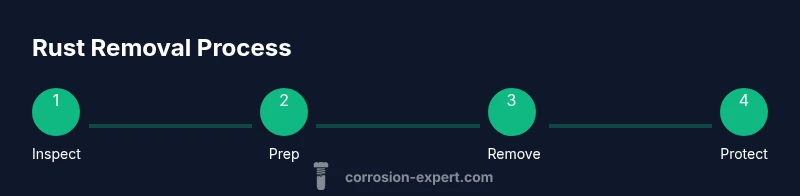
Breaking rust effectively starts with assessing rust depth, selecting a removal method, and finishing with a protective coating to prevent recurrence. For light rust, mechanical removal works well; heavier rust may require chemical removers or electrolysis. Always follow safety guidelines and allow proper drying between steps. This overview aligns with Corrosion Expert recommendations.
What breaking rust means: chemistry and practical impact
Breaking rust is both a chemical process and a practical craft. At its core, rust is iron oxide formed when iron, moisture, and oxygen meet. The goal of breaking rust is to remove the oxide layer, halt ongoing corrosion, and prepare the metal for a protective finish. Successful rust breaking relies on understanding the different forms rust can take: light surface rust, flaking scales, and deeply pitted metal where the oxide has penetrated the substrate. When you attack rust, you are choosing how aggressively to remove the oxide without damaging the base metal. For DIYers, the safest path begins with gentle mechanical action to lift loose material, followed by targeted chemical steps if the rust remains. In many cases, you can stop at a cleaned, slightly etched surface and apply a rust converter or primer to stabilize any remaining iron oxide. Throughout this process, you should wear PPE, work in a well-ventilated area, and monitor for heat or sparking when using power tools. Breaking rust effectively sets the stage for long-lasting protection.
Assessing rust severity: surface vs deep corrosion
Rust comes in different depths. Surface rust sits on top and is often removable with light abrasive action, while deeper rust has penetrated the metal lattice and may require more aggressive treatment. Before committing to a method, inspect visually and, if possible, test with a dull tool to feel for softness or flaking. The decision influences whether you can use quick mechanical methods, or you’ll need chemical rust removers or electrolysis. Break rust gradually: start with the least invasive approach and escalate only as needed. For many DIY projects, distinguishing between surface rust and deeper corrosion is the critical first move in a durable rust-removal plan. The goal is to stabilize the surface so it accepts a protective coating that resists future rust formation. Remember to annotate areas that may require additional attention later on.
Preparation: safety and workspace setup
Proper preparation minimizes risk and improves outcomes when breaking rust. Work in a well-ventilated area, lay down a drop cloth, and organize all tools before you start. PPE should include chemical-resistant gloves, safety goggles, and a respirator if you’ll use strong rust removers or generate dust. Cover surrounding components to protect against splashes and dust. If you’re using power tools, ensure cords are out of the way and that you have a safe place to dispose of debris. A clean, organized workspace reduces mistakes and helps you evaluate progress after each stage. Document initial conditions with photos to track how you’ve improved the surface as you proceed with breaking rust.
Mechanical removal techniques
Mechanical removal is often the first line of attack for breaking rust, especially when rust is surface-level. Start with a stiff wire brush or a wire wheel to lift loose oxide, then switch to sandpaper or abrasive pads to even the surface. Use slow, even strokes and avoid aggressive grinding that can gouge the base metal. For stubborn areas, alternate between grinding and brushing to prevent heat buildup, which can accelerate new rust formation. If you’re working on a curved or delicate part, consider a small hand tool instead of a heavy grinder. The essential principle is to remove the loose oxide thoroughly while preserving the substrate, creating a clean canvas for protective treatment.
Chemical rust removers: types and how to use
Chemical rust removers vary in strength and chemistry. Acid-based removers dissolve oxide, while phosphoric acid converts iron oxide to a more stable iron phosphate compound. Always read the label and wear PPE; work in a ventilated area and avoid skin contact. Apply the product as directed, usually allowing a set dwell time before scrubbing or wiping away loosened rust. Neutralizing washes may be required after酸-based treatments to stop the chemical reaction. Remember that chemical methods can alter the metal’s surface texture, so plan on a light re-smoothing step after treatment if you’ll be repainting or sealing the surface. After chemical treatment, rinse thoroughly and dry completely to prevent flash rust.
Electrolysis: a DIY rust-busting method
Electrolysis offers a powerful alternative for heavy rust without excessive grinding. Submerge the part in a container of water and washing soda (sodium carbonate) solution, attach a sacrificial anode (often a steel rod), and run a low current with a powerful, low-voltage power source. The rust migrates away from the metal toward the anode, leaving a cleaner surface behind. This method reduces mechanical damage and can revive oddly shaped parts. Safety is essential: work in a well-ventilated space, avoid splashes, and never use aluminum as the sacrificial anode. After electrolysis, clean the part and dry it thoroughly before applying protective coatings.
Rust converters and primers: stabilizing and priming rust
When some oxide remains, rust converters can stabilize it by converting iron oxide into a stable compound that binds with primers. This is a practical option for larger or complex shapes where aggressive removal isn’t feasible. After application, allow the converter to cure as directed, then apply a rust-inhibiting primer to prevent future oxidation. Remember: converters are not a magic fix—proper cleaning and drying are still essential, and a good primer will improve adhesion and longevity of the topcoat. This step often yields the most consistent results on irregular surfaces.
Protective coatings and sealing: paint, primer, topcoat
The final stage in breaking rust is applying a protective barrier that blocks moisture and oxygen. Begin with a compatible primer designed for metal and rust-inhibited finishes, then apply your chosen topcoat (paint, powder coating, or sealant) according to product directions. In outdoor or high-humidity environments, consider extra-thick coats or specialized rust inhibitors. Allow full cure times between coats and inspect for bare spots after each layer. A well-applied coating is the most effective defense against future rust and helps preserve the treated surface for years.
Maintenance plan to prevent future rust
Prevention is ongoing. Regularly inspect susceptible areas, clean surfaces, and recoat as needed to maintain protection. Wipe away condensation promptly and store metal items in dry locations when possible. For critical parts, schedule seasonal checks to catch early signs of moisture penetration and address them quickly. Keeping a routine, including occasional rust-breaking touch-ups, will extend the life of metal objects and reduce the frequency of major rust removal projects. Breaking rust should be viewed as part of an overall maintenance mindset, not a one-off repair.
Quick-start checklist and common mistakes
To get started quickly and avoid common pitfalls, keep this checklist handy: inspect depth, wear PPE, remove loose rust mechanically, choose the right chemical or electrolysis method, rinse and dry thoroughly, apply converter or primer, and finish with a topcoat. Common mistakes include skipping drying times, using too much force, ignoring surface texture changes after chemical treatment, and skipping primers before topcoats. By sticking to best practices, you’ll achieve durable results and minimize future rust issues. Remember: the goal is a clean, properly prepped surface ready for finishing, then ongoing protection.
Authoritative references
For additional context and safety guidelines, consult authoritative sources: https://www.osha.gov, https://www.nist.gov/topics/corrosion, https://www.cdc.gov/niosh/ – these sites provide essential information on chemical handling, corrosion basics, and worker safety.
Tools & Materials
- Safety gear (gloves, goggles, respirator)(Chemical-resistant gloves; ANSI Z87.1 goggles; respirator rated for organic vapors when using chemical removers)
- Stiff wire brush or wire wheel(Use for initial oxide lift on flat surfaces)
- Sandpaper or abrasive pads(Grits 60-120 for heavy rust; 150-220 for smoothing)
- Steel wool (0000 grade)(Finishing polish for delicate areas)
- Chemical rust remover (acidic or phosphoric-based)(Follow label directions; ensure good ventilation)
- Rust converter or rust-inhibiting primer(Stabilizes residual oxide; improves adhesion)
- Neutralizer or baking soda solution(Stops acid reactions if using acidic removers)
- Water supply and clean rags(Rinse away residues; dry thoroughly)
- Protective coating (metal primer + topcoat or sealant)(Choose rust-inhibiting products designed for metal)
- Power tools (optional)(Use with care to avoid overheating the metal)
Steps
Estimated time: 2-3 hours
- 1
Inspect the rusty area
Carefully assess the rust depth and surface texture. Look for flaking, pitting, and delamination to decide the removal approach. This initial step guides tool choice and safety prep.
Tip: Document rust severity with photos to compare progress later. - 2
Gather materials and set up workspace
Collect all tools and products before starting. Prepare a clean workspace, cover surroundings, and ensure ventilation for chemical use. This minimizes interruptions and keeps you safe.
Tip: Arrange tools within easy reach to maintain steady workflow. - 3
Safety prep and PPE
Put on chemical-resistant gloves, goggles, and a respirator if needed. Tie back long hair and secure loose clothing. Safe preparation reduces exposure to hazards from rust- removers and rust particles.
Tip: Check label warnings on any chemical products before use. - 4
Remove loose rust mechanically
Use a stiff wire brush or wheel to lift and remove loose oxide. Work with slow, even strokes to avoid gouging the base metal. Reassess the surface after initial passes.
Tip: Keep the metal cool; pause if you notice excessive heat. - 5
Apply chemical or electrolysis method
If using chemicals, apply as directed and let dwell. For electrolysis, set up the circuit safely and monitor the process. This step targets stubborn oxide that mechanical action can’t fully remove.
Tip: Do not mix chemical products; never combine acid cleaners with bleach. - 6
Rinse, dry, and inspect
Rinse thoroughly to remove residues, then dry completely. Inspect for remaining oxide and re-treat any stubborn spots as needed. A dry surface prevents flash rust in the next stage.
Tip: Use a heat gun or warm dry to speed up moisture removal if appropriate. - 7
Apply rust converter or primer
Coat the area with a rust converter to stabilize residual oxide, then apply a compatible primer. This prepares the surface for topcoat adhesion and durability.
Tip: Follow cure times exactly as specified by the product. - 8
Apply protective topcoat
Finish with a metal primer and topcoat or sealant designed for rust prevention. Apply thin, even layers and allow complete curing between coats.
Tip: Check for uniform coverage; address any pinholes before final cure.
Quick Answers
Is rust removal dangerous, and what PPE should I wear?
Yes, rust removal can involve hazardous chemicals and sharp edges. Wear chemical-resistant gloves, safety goggles, and a respirator when required. Work in a well-ventilated area and keep children and pets away from the workspace.
Rust removal can be hazardous. Wear proper gloves, goggles, and a respirator, and ensure good ventilation during the process.
What is the difference between rust remover and rust converter?
Rust removers chemically dissolve oxide, while rust converters stabilize residual rust by forming a protective layer that primes surfaces for painting. Converters are great for irregular shapes where full removal is impractical.
Rust removers dissolve oxide; converters stabilize rust and prepare the surface for painting.
How long does rust prevention last after treatment?
Durability depends on coating quality, environmental exposure, and maintenance. Regular inspections and re-coating as needed extend the protection and delay future rust.
Protection duration varies with coating and environment; inspect regularly and recoat when needed.
Can I repaint immediately after rust removal?
Only after the surface is fully dry and prepared. Apply primer designed for metal, then paint. Rushing this step can trap moisture and accelerate new rust.
Yes, but only after thorough drying and surface preparation with a proper primer.
Are natural or household agents effective for light rust?
Mild rust can sometimes be reduced with household items like vinegar or lemon juice, but results are inconsistent and often require repeated applications. For durable results, use purpose-built rust removers or mechanical methods.
Household agents can help with light rust, but for durability you’ll want proper rust removers or mechanical steps.
Watch Video
Quick Summary
- Assess rust depth before choosing a method
- Mechanical removal is best for light rust
- Safety first with PPE and ventilation
- Use converters or primers to stabilize oxide
- Finish with a protective topcoat to prevent recurrence