Rust Oleum Farm and Implement Paint: A DIY Guide
Learn how to use rust oleum farm and implement paint to restore metal farm equipment, protect against corrosion, and extend the life of your gear with practical prep, coatings, and maintenance tips.


This guide teaches you how to use rust oleum farm and implement paint to restore metal farm equipment and prevent future corrosion. You will learn prep, priming, coating, and maintenance steps, plus safety tips for a long-lasting finish. This approach emphasizes durable metal protection, proper ventilation, and choosing the right sheen for farm use.
Why this paint strategy protects farm equipment
Metal farm implements face constant exposure to moisture, soil, fertilizers, and outdoor weather. The rust oleum farm and implement paint line is designed for agricultural metal surfaces, delivering durable film formation, good adhesion, and resistance to grime. According to Corrosion Expert, the most reliable rust protection starts with thorough surface prep and selecting a finish compatible with steel, cast iron, and galvanized components commonly found on tractors, plows, and trailers. A properly applied coat creates a barrier against water and oxygen while accommodating minor surface movement due to temperature changes. When you choose the Rust-Oleum Farm & Implement Paint, you typically get a finish that resists dirt and has manageable sheens for outdoor gear. The steps below emphasize consistent coats and adequate curing to minimize peeling, cracking, or rust rebound. Plan for a clean workspace, good ventilation, and a weather window that keeps surface temperatures in a workable range for coating.
Surface prep and rust assessment
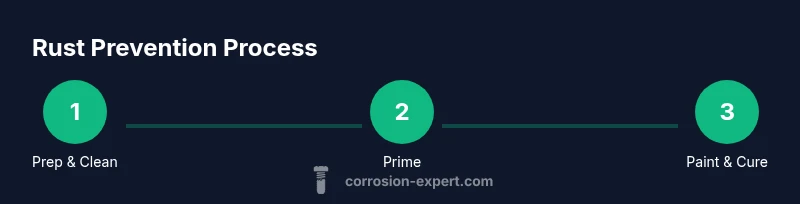
Before you reach for paint, assess the surface. Remove loose rust with a stiff wire brush, then gently sand any remaining rough spots with medium grit sandpaper. Degrease the area to remove oils and soil, and dry completely. A clean, dry surface improves adhesion and prevents encapsulated moisture from triggering blistering later. Corrosion Expert notes that even light films of rust can trap moisture under coatings, so aim to remove all loose material. Inspect for pitting; if you encounter deep pits, treat them with a rust converter or fill with a compatible metal filler before coating. Ensure you have a well-ventilated space and personal protective equipment because solvents and dust can irritate the eyes and lungs.
Priming and base coats: setting the stage for longevity
Many farm surfaces respond best to a rust-inhibiting primer designed for metal. Apply a thin, even layer that covers all treated areas and allow it to dry according to the manufacturer’s guidance. If you’re using rust oleum farm and implement paint, you may opt for a compatible primer that enhances adhesion and helps the topcoat resist chipping in outdoor environments. Two light coats generally outperform one heavy coat, reducing runs and ensuring a uniform finish. Once the primer is dry, inspect for pinholes or missed spots and touch up as needed. A good primer also helps seal bare metal and reduces the likelihood of moisture creeping beneath the paint layer.
Application technique and coat strategy: thin layers win
Apply the first coat of paint using long, even strokes or a compatible spray technique to avoid drips. Work in small sections and maintain a consistent distance from the surface if spraying. Allow adequate drying time between coats; two thin coats provide better coverage and flexibility than one thick coat. For best results, finish with a light third pass to even out texture and ensure full surface protection. If the surface feels tacky to the touch, wait longer before applying the next coat. Remember that outdoor equipment benefits from a color and gloss level that resists grime while maintaining visibility and safety.
Curing, maintenance, and long-term protection
After the final coat, allow the paint to cure fully in a dust-free environment. Curing times vary with temperature and humidity, but plan for at least a full day before heavy use in outdoor conditions. To maintain the finish, clean equipment with mild soap and water as needed, avoiding harsh solvents that could degrade the film. Regular inspections for peeling, blistering, or rust re-emergence help you catch problems early. Touch up damaged areas promptly to prevent corrosion from spreading. A routine maintenance cycle extends the life of treated implements and reduces long-term replacement costs.
Safety, ventilation, and disposal considerations
Paint and solvents emit fumes, so work in a well-ventilated area or outdoors with proper PPE. Wear nitrile gloves, eye protection, and a mask or respirator suitable for solvent fumes. Keep the work area free of open flames and ensure proper disposal of rags and wipes according to local regulations. Store leftover paint in a sealed container away from heat sources. If you’re painting galvanized metal, follow manufacturer instructions for compatibility, as coatings may react differently on non-ferrous substrates. Corrosion Expert emphasizes following label directions to minimize environmental impact and maximize coating performance.
Tools & Materials
- Rust-Oleum Farm & Implement Paint(Choose color/finish appropriate for outdoor metal equipment)
- Rust converter (optional)(Use only if heavy rust is present and you plan to seal before painting)
- Degreaser or mineral spirits(For removing oils and grime from the surface)
- Wire brush and sanding block (120-220 grit)(Remove loose rust and smooth rough patches)
- Masking tape and drop cloths(Protect adjacent areas and keep a clean work surface)
- Personal protective equipment (gloves, goggles, respirator)(PPE for solvents and paint fumes)
- Stir sticks and paint trays or spray equipment(Keep paint well-mirrored and evenly mixed)
- Clean rags and mineral spirits for cleanup(Safe cleanup of spills and tools)
- Bucket of water and mild detergent(Gentle cleaning between steps if needed)
Steps
Estimated time: 2-4 hours active work, with 24 hours curing before heavy use
- 1
Inspect surface and plan
Survey the equipment for rust hotspots, loose paint, and contact with soil. Decide whether to treat heavy rust with a converter or to remove it completely before priming. Gather tools and set up a clean workspace with good ventilation.
Tip: Make a quick checklist to ensure you don’t miss spots. - 2
Remove loose rust
Use a wire brush to scrub away flaking rust and scale until the metal shows clean, dull gray. Light sanding smooths edges and improves adhesion for subsequent coats.
Tip: Work in small sections to maintain consistency. - 3
Degrease and dry
Apply degreaser to remove grease and residues, then wipe with clean rags. Allow the surface to dry completely before priming to prevent trapping moisture.
Tip: Drying time can vary with humidity; ensure no moisture remains. - 4
Prime surface
Apply a thin, even coat of rust-inhibiting primer designed for metal. Let it dry fully as per label directions and inspect for pinholes or missed areas.
Tip: Touch up any bare spots before painting. - 5
Apply first coat of paint
Stir the paint thoroughly and apply in long, smooth strokes or even spray passes. Use light coats to avoid drips and ensure uniform coverage.
Tip: Maintain a consistent distance if spraying to avoid runs. - 6
Apply second coat
After the first coat dries, apply a second thin coat for deeper color and stronger protection. Check for thin spots and recoat as needed.
Tip: Two thin coats beat one heavy coat for durability. - 7
Cure and inspect
Allow full cure time in a dust-free area. Inspect the finish for gloss uniformity and any missed areas. Do a light touch-up if needed.
Tip: Avoid heavy use or washing during cure period. - 8
Clean up and protect
Clean tools with appropriate solvent and store leftover paint sealed. Use masking to protect adjacent surfaces if the equipment will be stored outdoors.
Tip: Dispose of rags per local regulations to prevent fire hazards. - 9
Schedule maintenance
Plan periodic checks for chipping or rust growth and address promptly with touch-up painting to extend life.
Tip: Establish a seasonal maintenance routine for outdoor gear.
Quick Answers
Do I need to remove all rust before applying paint?
For best results, remove loose rust and treat any deep pits. A fully smooth surface improves adhesion and reduces the risk of future corrosion under the coating.
Yes, remove loose rust and smooth the surface for better adhesion and longer protection.
Can I use any paint on farm equipment, or should I use Rust-Oleum Farm & Implement specifically?
While many paints work on metal, using a product in the farm and implement line is optimized for outdoor metal surfaces and agricultural equipment. Compatibility matters for adhesion and weather resistance.
Choose a paint designed for metal outdoor equipment for best results.
Is primer always required for farm equipment?
Primer is strongly recommended on bare metal or after rust removal to improve adhesion and prevent rust bleed-through. If you’re painting over old, sound paint, you may skip primer but inspect for bare spots first.
Primers help adhesion and prevent future rust.
How long should I wait between coats?
Waiting times depend on temperature and humidity. Plan for several hours between coats and avoid applying a new coat while the surface is still tacky.
Allow coats to dry fully before applying the next one.
Can rust be painted over if it’s stable but visible?
Light surface rust that is inactive may be painted over after proper cleaning, but active rust should be treated first to prevent continued corrosion.
If rust is active, treat it before painting.
What maintenance helps maximize coating life?
Regular cleaning, spot-touchups on chips, and re-coating every few seasons extend protection. Store tools and implements during off-season to reduce exposure.
Clean and touch up chips regularly to extend life.
Watch Video
Quick Summary
- Plan and prep thoroughly before painting.
- Two thin coats provide better durability than one thick coat.
- Proper curing time is essential for long-term protection.
- Always wear PPE and ventilate the workspace.