Rust in Grass Treatment: DIY Diagnosis, Treatment, and Prevention
Learn how to diagnose, treat, and prevent rust in grass with practical, step-by-step guidance. This Corrosion Expert-backed guide covers disease signs, cultural practices, and safe treatment options for healthier turf.


Rust in grass treatment is a practical, step-by-step process for diagnosing a fungal turf infection, implementing cultural controls, and applying targeted treatments to restore vigor and prevent spread. This guide outlines detection, moisture management, mowing adjustments, and overseeding as essential actions homeowners can take.
What rust in grass is and why it matters
Rust in grass treatment refers to the fungal rust diseases that attack turfgrass leaves, causing orange-brown pustules, reduced vigor, and unsightly patches. While rust is more commonly discussed in garden beds or ornamental turf, it can spread quickly across a lawn if left untreated. According to Corrosion Expert, rust in grass treatment isn't about metal corrosion; it's about diagnosing a biological infection and applying a plan to restore vigor and resilience. The goal is to limit leaf damage, maintain photosynthesis, and prevent patches from expanding into bare soil. Rust infections often thrive in wet, humid conditions and in lawns with thin thatch layers or poor drainage. By understanding the disease cycle and the turf's stress factors, homeowners can act early, often with a combination of cultural practices and targeted treatments. In the long run, a proactive rust in grass treatment saves you time, money, and disappointment during the growing season.
Signs and diagnosis: how to tell rust from other lawn issues
Rust on grass presents as powdery, orange to yellow pusticles visible on leaf blades, particularly along the midrib and leaf margins. When you rub the blade gently, a dusty powder may transfer to your fingertips—a classic sign of rust spores. Compare this to fungal disease leaves with brown spots or bleaching; rust spores often move with wind and water. A careful diagnosis should include looking for needle-like or hair-like structures on the upper surfaces and checking for sporulation in different lawn sections. The first clue is usually new patches that become more evident after wet springs or heavy dew. For accuracy, collect photos, note the affected species, and consider sending samples to a local extension service or testing lab. While DIY diagnosis is feasible, a professional turf pathologist can confirm rust species and guide fungicide choice if the infection is widespread. Based on Corrosion Expert analysis, early identification improves treatment success and helps you target management steps rather than guesswork.
Core causes: fungi, moisture, and turf stress
Rust in grass emerges when a fungal pathogen, moisture, and turf stress align. The rust fungus thrives in leaf moisture, dense thatch, and stressed grass species that have weakened defenses. Wet springs, over-irrigation, and soil compaction create microclimates where spores germinate and continue to reproduce. In lawns with close mowing, leaf surfaces are more exposed to spores, and healthy root systems can be compromised, reducing the plant's ability to photosynthesize effectively. Nutrient imbalances, particularly excessive nitrogen or low potassium, may also affect turf resilience. Soil pH can influence fungal activity; when pH is out of optimal range for the grass species, the plant becomes more susceptible. In short, rust occurs at the intersection of a living organism and environmental stress. Managing both fungal pressure and turf health is essential for durable control in rust in grass treatment. Corrosion Expert's perspective emphasizes a layered strategy rather than a single fix.
Prevention strategies: cultural practices to reduce rust risk
Prevention starts with cultural care that makes the lawn less inviting to rust fungi. Maintain mowing heights appropriate for your grass type to reduce leaf wetness duration and improve airflow. Aerate compacted soil in the fall or spring to improve drainage and root growth. Debris removal and thatch control through dethatching prevent moisture pockets where spores can accumulate. Water deeply but infrequently, preferring morning irrigation to allow leaves to dry thoroughly. Improve drainage in low-lying areas and consider grading to redirect runoff away from patches. Fertilize with a balanced program that emphasizes potassium and essential micronutrients, while avoiding excessive nitrogen during outbreaks. Soil pH should be tested and adjusted as needed to keep turf in the optimal range for the species you grow. Finally, select rust-resistant turf varieties when possible and overseed lightly after recovering patches to protect against re-infection. The result is a healthier lawn with fewer opportunities for rust to gain a foothold.
Treatment options: when to prune, overseed, or apply fungicides
Treatments for rust in grass treatment combine cultural actions with chemical controls when necessary. Start with cultural steps: adjust mowing height, improve drainage, and remove affected leaves to reduce inoculum. Thatch control helps air movement and evaporation, slowing the microclimates rust fungi favor. If patches persist or worsen, a turf-approved fungicide may be warranted. Choose products labeled for rust on turf and follow label directions for application timing and rates. Always apply in calm weather and avoid the heat of mid-day. In some cases, organic or biological fungicides can offer suppression without harsh chemicals, though coverage may be slower. After treatment, resume steady cultural care and monitor for re-infection. Remember: rust in grass treatment is usually a multi-step process; patience and consistency yield the best outcomes.
Authority sources
Credible sources provide deeper background on rust diseases and turf management. See the following resources for extension-based guidance and official recommendations:
- https://extension.illinois.edu
- https://extension.umn.edu
- https://www.usda.gov
Tools & Materials
- Garden gloves (nitrile)(For handling soil and applying products safely)
- Mowing equipment (lawn mower, bag)(Mow to 2-3 inches before assessment)
- Rake and leaf blower(Clear debris for inspection)
- Spray bottle or handheld sprayer(For applying household fungicide if recommended)
- Fungicide labeled for turf rust(Follow label directions; alternatives include biofungicides)
- Soil test kit or pH meter(Check soil pH and nutrient levels)
- Overseeding mix and seed starter(Repair thin patches after treatment)
Steps
Estimated time: 2-6 weeks depending on severity
- 1
Confirm the diagnosis
Examine blades for orange pustules and dusty spores. Take clear photos from multiple angles and compare with rust references. If uncertainty remains, contact a local extension service for confirmation.
Tip: Photograph symptoms in future checks to measure progression over time. - 2
Mow and rake the lawn
Mow to 2–3 inches and remove clippings to reduce leaf wetness. Rake up infected leaves and debris that can harbor rust spores.
Tip: Discard clippings away from healthy areas to prevent reinoculation. - 3
Improve drainage and irrigation timing
Water early in the day, allowing surfaces to dry, and address any low spots with grading or drainage solutions.
Tip: Consider using a soaker hose to deliver water directly to roots with minimal leaf wetness. - 4
Apply fungicide if needed
Choose a turf-approved fungicide and apply per label in calm weather. Reapply only if indicated by label or extension guidance.
Tip: Wear PPE and avoid application during peak heat to reduce volatilization and leaf burn. - 5
Fertilize and adjust soil pH
Use a balanced fertilizer, paying attention to potassium and micronutrients to strengthen turf. Test and adjust soil pH toward the ideal range for your grass species.
Tip: Avoid high-nitrogen feeds during active rust symptoms to prevent lush new growth that favors the fungus. - 6
Overseed thin patches
Prepare patches by lightly dethatching if needed, then overseed with compatible turf. Keep the soil moist until seedlings establish.
Tip: Use a starter fertilizer to improve initial root establishment. - 7
Monitor and repeat if necessary
Track patch expansion and symptom changes over 2–6 weeks. Reassess diagnosis if rust reappears and adjust the plan accordingly.
Tip: Maintain a simple progress log to compare effectiveness of interventions.
Quick Answers
What causes rust in grass?
Rust in grass is caused by rust fungi that infect turf leaves, often thriving in moist, crowded conditions. Environmental stress weakens the turf, allowing the disease to establish. Monitoring moisture and lawn health helps prevent outbreaks.
Rust in grass is caused by rust fungi that attack turf leaves, usually when the lawn is moist and stressed. Keeping moisture under control helps prevent outbreaks.
How do I identify rust on my lawn?
Look for powdery orange or yellow pustules on leaf blades, especially on new growth. Compare with images from local extension resources, and consider sending samples for confirmation if unsure.
Spot orange dust on blades and powdery pustules to identify rust. When in doubt, consult your local extension service.
Is rust in grass dangerous to pets or kids?
Most turf rust treatments are labeled for outdoor use and include safety guidelines. Keep children and pets off treated areas until any spray has dried and the product label indicates safe re-entry times.
Follow label directions for safety times after applying any treatment. Keep pets off treated areas until safe.
Can rust be prevented naturally?
Yes, through proper lawn cultural practices: avoid overwatering, improve drainage, maintain mowing height, dethatch to reduce thatch moisture pockets, and overseed stressed areas. Healthy turf is the best defense.
Healthy turf and good cultural care are your best defenses against rust.
How long does rust treatment take to show results?
Recovery varies by patch size and treatment approach. Expect visible improvement over 2-6 weeks, with continued monitoring and maintenance to prevent recurrence.
Most lawns show improvement within a few weeks, but ongoing maintenance matters.
Watch Video
Quick Summary
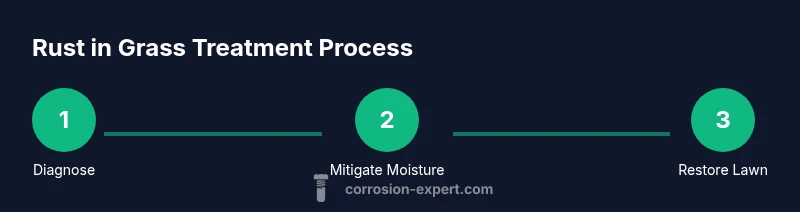
- Diagnose rust early to prevent spread
- Manage moisture and mowing to reduce risk
- Use a layered approach: cultural controls + targeted treatment
- Monitor progress and adjust plans as needed