Metal Roof Rust: Prevention and DIY Repair Guide
A practical, step-by-step guide for preventing and repairing rust on metal roofs. Learn inspection, rust conversion, priming, sealing, and long-term care from Corrosion Expert for DIY homeowners.


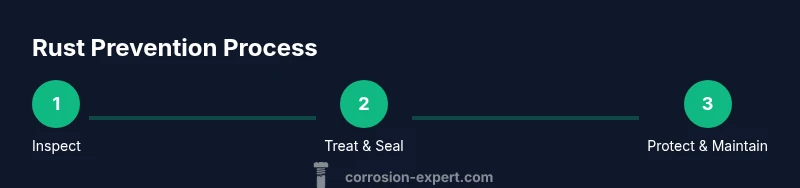
Goal: Stop metal roof rust and extend roof life by following a clear, repeatable process. You will need basic safety gear, a rust converter or primer, topcoat, and proper sealants. Start with a careful inspection, remove loose rust, apply treatment, and protect with a durable coating. Regular maintenance keeps rust at bay. Ensure proper ventilation and follow product instructions.
Why metal roof rust happens
Metal roof rust is not inevitable, but it is common if protective coatings fail or moisture sits on the surface long enough to penetrate seams, fasteners, or panel edges. In coastal or humid environments, salt spray and frequent rain can accelerate corrosion. According to Corrosion Expert Team, the most frequent rust sites are seams, around penetrations, and edges where coatings wear away. Early rust usually appears as small speckles or patches and can progress to pitting if moisture remains. The good news is that early detection and timely maintenance dramatically slow this process. By recognizing how rust initiates, you can plan practical repairs that fit your roof type, whether you have galvanized steel, exposed-fastener panels, or standing-seam systems. Proactive care is the best defense against leaks and structural damage over time.
Inspecting your roof for rust
Regular inspections are essential to catch rust before it spreads. Start at the lowest risk area and work upward with a sturdy ladder. Look for the following signs: discoloration or bubbling paint, white or orange staining, powdery residues, raised or loose fasteners, and rust around seams or penetrations. Check downspouts and gutters for metal flakes, which indicate shedding from the roof. Photographs help track changes over time and guide scheduling. When possible, perform inspections after a dry spell when surfaces are dry and safe to handle. Always prioritize safety and avoid working alone on steep roofs.
Common rust types on metal roofs
There are several rust patterns that DIYers should recognize. Surface rust shows as a thin, flaky layer that can be scraped away with a putty knife. Pitting rust penetrates deeper and creates small holes; it often requires more aggressive treatment or panel replacement. Galvanic corrosion happens when different metals contact each other with an electrolytic path, often at fastener connections, creating accelerated decay. Understanding the type of rust helps determine whether you can treat it locally or need to replace panels. In many cases, early, shallow rust is fixable with proper cleaning and protective coatings, while extensive pitting may require professional assessment and potential panel replacement.
Prevention strategies to stop rust
Preventive measures are the most cost-effective way to extend metal roof life. Start with proper installation and a continuous protective coating over the entire surface. Use compatible primers and topcoats designed for metal roofs and ensure seams and fasteners are sealed. Maintain clear drainage to prevent standing water on the roof surface and inspect flashing and seam sealants annually. If you have a standing-seam system, ensure the sealant around fasteners remains intact. In high humidity or saline environments, more frequent inspections and timely coating refreshes are recommended. Good maintenance habits—including keeping the roof clean and dry—significantly reduce rust formation over time.
DIY rust removal methods
When rust is superficial, you can address it with a careful cleaning routine. Begin by cleaning the surface with a mild detergent and water, then rinse and dry completely. Use a wire brush or low-speed grinder with a wire wheel to remove loose rust and flaking coating. After mechanical removal, wipe the area with mineral spirits to remove oil and residue. Apply a rust converter or rust-inhibiting primer to neutralize remaining oxidation and prepare the surface for coating. Do not rush curing times; follow product instructions for max adhesion. Finish with a compatible metal roof primer and topcoat to seal the area.
Repair options for advanced rust
If rust has caused deep pitting or significant loss of metal, spot patching may not be sufficient. For small areas, patching with a sheet metal patch and seam sealant can restore continuity, but be sure to feather edges and re-prime before coating. For larger areas or compromised panels, consider panel replacement or professional repair to preserve structural integrity. When in doubt, consult a roofing pro about load-bearing concerns and compatibility of replacement panels with your roof system. Timely repair prevents leaks and reduces long-term costs.
Maintenance schedule and long-term care
A structured maintenance plan helps you stay ahead of rust. Schedule a biannual inspection—ideally in spring and fall—and perform a light cleaning after major rain or wind events. Reapply protective coatings at the recommended intervals, typically every few years depending on climate and product quality. Keep gutters free of debris to prevent splash back and moisture retention near the roof edge. Maintain ventilation in attic spaces to reduce condensation that can travel to the roof undersides. Document your work to track when coatings were last applied and plan the next refresh accordingly.
Choosing protective coatings and sealants
Coatings selected for metal roofs must be compatible with the substrate material and climate. Look for rust-inhibiting primers, weatherproof topcoats, and sealants designed for metal-to-metal seams. primers should bond well to metal, block moisture, and resist UV exposure. When applying, follow manufacturer instructions for surface prep, application temperature, and cure time. In coastal areas, consider coatings with higher salt resistance and UV stability to maximize lifetime. Always select products from reputable brands and apply two coats as recommended for optimal protection.
Cost considerations and return on investment
The cost of rust prevention and repair varies with roof size, coating quality, and extent of rust. Expect a range from modest DIY upgrades to higher-end coatings and professional repairs for extensive damage. While some projects require significant investment, preventing rust preserves roof strength and prolongs service life, which can reduce the need for full roof replacement in the future. A proactive maintenance plan is often worth the investment, especially in climates with high moisture or salt exposure. Always weigh the long-term savings against initial costs when planning improvements.
Tools & Materials
- Safety gear (gloves, goggles, respirator or mask)(Protect hands, eyes, and lungs from dust and debris.)
- Ladder and fall protection(Stable access to roof; use ladder stabilizer if possible.)
- Wire brush or grinder with wire wheel(Remove loose rust and paint; use low speed to avoid gouging metal.)
- Putty knife or scraper(Lift flaking coatings in tight corners.)
- Rust converter or rust-inhibiting primer(Neutralizes rust and primes surface for coating.)
- Metal roof primer(Promotes adhesion of topcoat on metal surfaces.)
- Weatherproof topcoat or sealant(Choose UV-stable, elastomeric or acrylic options rated for metal roofs.)
- Drop cloths or tarps(Protect surroundings from dust and paint drips.)
- Paint brushes/rollers and masking tape(Apply coatings evenly and protect adjacent areas.)
Steps
Estimated time: 6-12 hours (plus cure time per coating, typically 24-72 hours)
- 1
Assess safety and gather materials
Before starting, evaluate the weather and roof conditions. Gather all tools and materials in one place to minimize trips up and down the ladder. Wear all required PPE and set up a stable working area.
Tip: Lay out drop cloths to protect landscaping and sweep the work zone first. - 2
Inspect roof sections for rust and damage
Scan for signs of rust around seams, fasteners, and edges. Note any area with bubbling paint or visible corrosion. Mark defects with chalk for later treatment and plan the repair sequence.
Tip: Prioritize areas that may lead to leaks or show moisture intrusion. - 3
Remove loose rust and clean surface
Use a wire brush or low-speed grinder to remove loose rust and flaking coating. Clean the area with a mild detergent solution, rinse, and dry thoroughly to ensure good adhesion of primers.
Tip: Work in small sections to maintain control and reduce dust. - 4
Treat rust with converter or inhibitor
Apply a rust converter per product instructions to neutralize remaining rust. Allow the surface to cure as required before applying primer. This step helps prevent future oxidation.
Tip: Do not rush curing times; moisture can compromise adhesion. - 5
Prime and apply topcoat or sealant
Apply a metal roof primer evenly, then apply a weatherproof topcoat in multiple thin coats as directed. Ensure complete coverage, especially on seams, fasteners, and repaired patches.
Tip: Two thin coats typically perform better than one heavy coat. - 6
Inspect after cure and schedule maintenance
Check coated areas for uniform appearance and adhesion after curing. Schedule future inspections and refresh coatings as recommended by the manufacturer to maintain protection.
Tip: Keep a maintenance log with dates and product names. - 7
Address extensive rust with replacement options
If corrosion is deep or structural, patching may not suffice. Consider panel replacement or professional assessment to ensure roof integrity and warranty compliance.
Tip: Do not delay if you notice weakened panels or leaks.
Quick Answers
Can I fix rust on a metal roof myself?
Yes, for minor rust you can manage it at home with cleaning, rust converter, and proper coating. Severe rust or structural damage should be handled by a professional. Always follow safety guidelines and manufacturer instructions.
Yes, you can fix light rust yourself, but if the rust is deep or the roof is structurally compromised, get professional help. Safety and correct products are essential.
What is the best coating to prevent future rust on metal roofs?
Choose a coating system designed specifically for metal roofs, with rust inhibitors and UV resistance. Use a compatible primer and topcoat, and follow the manufacturer’s cure times for best results.
Pick a metal roof coating with rust inhibitors and UV protection, then prime and seal for durability.
How long does a rust-proof coating last on metal roofs?
Lifespan varies by climate, surface preparation, and product quality. In general, expect refinishing cycles every few years, with inspections in between to catch early signs of wear.
Coating life depends on climate and prep, but regular inspections help catch wear early.
Should I replace severely rusted panels or patch them?
If rust has compromised structural integrity or led to deep pits, replacement is often the safer option. Patching is possible for small, non-structural areas with appropriate seals.
Severe rust may require panel replacement; patching is for minor, non-structural areas.
Is roof rust dangerous to handle?
Rust itself is not dangerous, but handling sharp, corroded metal without protection can cause injuries. Use gloves and eye protection and dispose of debris safely.
Rust is not hazardous, but sharp edges can cut you; wear protection.
How often should metal roof inspections occur?
Aim for at least two inspections per year, plus after major storms or wind events. More frequent checks are recommended in salty or humid environments.
Inspect twice a year and after big weather events, especially in coastal areas.
Watch Video
Quick Summary
- Inspect regularly and catch rust early
- Use rust converters designed for roofs
- Prime before sealing to ensure adhesion
- Choose a compatible topcoat for metal roofs
- Schedule annual maintenance and inspections