How to Deal with Rust Under a Car: DIY Guide
Learn safe, proven steps to inspect, treat, and prevent rust under your car. This guide covers rust converters, coatings, and maintenance tips for DIY enthusiasts.


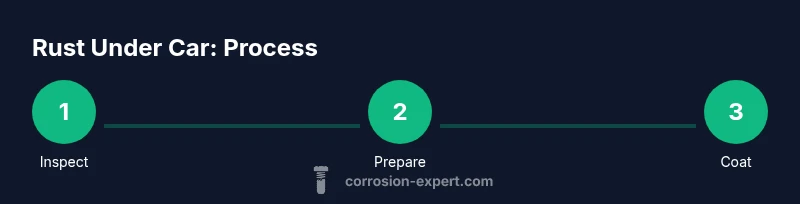
By following a safe, structured approach, you can deal with rust under a car: inspect the undercarriage, remove loose rust, apply a rust converter, prime, and seal with a durable undercoating. Start with cleaning, wear PPE, and choose products rated for automotive use. According to Corrosion Expert, addressing rust early saves money and protects structural metal.
Understanding undercarriage rust: what it is and why it matters
Rust under the car is more than just a cosmetic issue. It weakens protective shields, corrodes mounting points, and can spread from the frame to critical components like suspension mounts and brake lines if left unchecked. The undercarriage sits in constant contact with road salt, water, and mud, so corrosion forms more quickly than on exposed surfaces. A practical DIY approach begins with understanding the different forms of rust you may encounter: surface rust from light oxidation, scale and flaking, and deeper pitting that eats into metal. While surface rust is often treatable with brushes and coatings, deeper rust around structural brackets or welds can compromise safety. Corrosion Expert analysis, 2026, emphasizes that early intervention is the most cost-effective way to preserve structural integrity and resale value. Recognize rust when you see rust-colored dust, rough patches beneath the protective coating, or peeling paint on the undercarriage.
Plan your repair like any other maintenance project: identify risk areas first (frame rails near wheels, cross members, exhaust system hangers, and trailing arms), then decide on a treatment path based on severity. Safety first means working on a cold, stable surface; never crawl under a car supported only by a jack. Use wheel chocks and jack stands. Understanding severity helps you choose the right method: modest surface rust may respond to rust converters and coatings, while deep rust near structural members may require removal or replacement. The key is a clear plan and proper PPE.
Visual signs and severity levels
Detecting rust early saves you time and money. Look for discoloration, blistering paint, and rough, flaky metal. Surface rust appears as a dull, reddish-brown film and can often be scrubbed off with a stiff brush. More serious symptoms include flaking that exposes bright metal, visible pits, holes, or thinning material around mounting points and weld seams. The most dangerous signs are rust at structural junctions—frame rails, control arm mounts, cross members, and subframe connections. While surface rust is commonly manageable by DIY methods, rust around structural components can weaken load-bearing areas and should trigger a professional assessment if you’re unsure. Corrosion Expert analysis shows that rust undercarriage accelerates with road-salt exposure and moisture, so homes in winter climates may see faster deterioration. Use a flashlight, mirror, and a yard stick to probe tight spots and take photos to document progression and plan repairs.
Severity levels often fall into three categories: surface rust (cosmetic), penetrating rust (limited depth, may require treatment), and structural rust (compromised integrity, requires careful evaluation).
Cleaning and prep: safety and surface prep
Before you touch metal, set up a clean, ventilated workspace and wear appropriate PPE: safety goggles, nitrile gloves, and a respirator or mask for dust and solvents. Start by removing loose dirt and oil with a degreaser and a stiff brush. Rinse and dry thoroughly; moisture left behind promotes further corrosion. Use painter’s tape to protect nearby components such as brake lines and wiring harnesses. If mud has lodged in hard-to-reach areas, use compressed air or a blow gun (low pressure) to clear debris. Once the surface is dry, inspect the area again to confirm no hidden rust pockets remain. Keeping the area clean helps every subsequent step—whether you’re applying a converter, primer, or coating—adhere properly and last longer. Corrosion Expert emphasizes that proper prep is the single most important step for lasting results.
Note: If you smell strong solvents or fuel vapors, stop and improve ventilation before proceeding.
Remediation options: converters, removal, and coatings
There are three main paths to address rust under a car: chemical rust converters, mechanical removal, and protective coatings. Rust converters chemically convert iron oxide to a stable compound, sealing the surface and creating a ready-to-coat layer. Mechanical removal uses a wire brush, grinding wheel, or sandpaper to physically remove rust and create a clean metal surface. Coatings provide a protective barrier to slow future corrosion—these can be rubberized undercoatings, epoxy primers, or automotive-grade sealants. The best approach is often a combination: remove the loose rust, treat with a converter on remaining rust, then apply a primer and a durable underbody coating. Always follow product directions and allow adequate cure times. For stubborn spots, you may repeat the removal-conversion-coating cycle, ensuring each layer dries fully before applying the next. Corrosion Expert notes that matching products to automotive standards yields the most durable finish. Avoid over-sanding, which can thin metal and invite更多 corrosion risk. Always test a small area first.
Surface rust vs structural rust: deciding when to call a pro
Not all rust issues are equal. Surface rust is typically cosmetic and manageable with DIY methods, but rust that has invaded welds, frame rails, or suspension mounting points can threaten safety and require professional repair. If you notice deep pits, holes forming in load-bearing areas, or rust around critical brackets, stop the DIY approach and seek a professional inspection. If a repair involves cutting out and replacing sections of metal, welding, or altering structural components, it’s beyond typical DIY scope. In ambiguous cases, seek a professional assessment before proceeding further. Corrosion Expert suggests documenting the extent with photos and obtaining a second opinion when in doubt. A pro can confirm whether a patch, reinforcement, or full member replacement is warranted, and can also advise on best-practice coatings for long-term protection.
When in doubt, err on the side of safety and seek expert input early in the process.
Prevention and maintenance plan for the future
Prevention is easier than repair. After you finish remediation, establish a maintenance routine to slow future rust. Wash the undercarriage to remove salt and dirt after winter driving, especially if you live in coastal or snowy regions. Inspect areas near the frame rails, cross members, and brackets every 6–12 months, and after heavy road-use seasons. Recoat vulnerable spots with an automotive underbody coating every 2–4 years, depending on climate and driving conditions. Keep drains and cavities clear of debris and promptly touch up any new chips or scratches in the protective layer. For long-term protection, consider rust inhibitors or a periodic rust converter treatment in high-moisture climates. The Corrosion Expert team recommends integrating these steps into your regular car maintenance schedule to keep corrosion in check.
Common mistakes and how to avoid them
Common mistakes include delaying treatment, skimping on PPE, and applying coatings over damp surfaces. Another frequent error is using the wrong products for automotive use or skipping primer after applying a converter. Always follow manufacturer instructions and allow full cure times. Rushing coatings over uneven surfaces can trap moisture and lead to premature failure. Finally, never assume “just a little rust” is harmless—undetected rust can advance and threaten structural integrity. Take your time, follow a plan, and document progress with photos for future reference.
Tools & Materials
- Floor jack(Choose a jack rated for the vehicle's weight)
- Jack stands(Use two or more for stability on solid ground)
- Safety goggles(Protect eyes from rust particles and solvents)
- Nitrile gloves(Chemical resistance and durability)
- Respirator or dust mask(Protect lungs from dust and fumes)
- Wire brush (stiff steel)(Remove loose rust and scale)
- Grinder with wire wheel (optional)(Faster rust removal on large areas)
- Sandpaper or sanding discs (80-120 grit)(Prepare metal for primer)
- Degreaser/cleaner automotive grade(Remove oil and grime)
- Rags and brushes(For cleaning and applying products)
- Rust converter(Chemically converts remaining rust)
- Etching primer(Adheres to bare metal)
- Automotive underbody coating / sealant(Protects against future moisture)
- Masking tape and plastic sheeting(Protect nearby components)
- Paint tray and brushes/foam rollers(For even coating)
Steps
Estimated time: 3-6 hours
- 1
Prepare the workspace and lift safely
Place wheel chocks, lift the car with a floor jack, then secure it with jack stands on solid ground. Ensure the vehicle is stable before crawling underneath. This step prevents accidental drops and provides a safe working area.
Tip: Never rely on a floor jack alone—always use stands and chocks. - 2
Inspect and document rust-prone areas
Use a flashlight to inspect the undercarriage, focusing on frame rails, cross members, control arms, and brackets. Note locations with flaking paint, pitting, or holes. Photograph the problem spots for reference and future monitoring.
Tip: Take wide shots and close-ups to map out treatment zones. - 3
Clean the surface and degrease
Apply a degreaser to the area and scrub with a stiff brush to remove oil, grease, and road grime. Rinse and dry completely. A clean surface ensures better adhesion of primer and coating.
Tip: Work in sections to avoid drying the cleaner too quickly on vertical surfaces. - 4
Remove loose rust and scale
Scrub with a wire brush or grind with a wire wheel to remove flaky rust until you reach sound metal. Avoid deep gouging; the goal is a smooth, firm surface.
Tip: If you use a grinder, wear hearing protection and keep the area well-ventilated. - 5
Apply rust converter on residual rust
Brush or spray converter over remaining rust following the product directions. Keep the area damp as required by the converter’s cure time. This step halts rust progression and prepares for primer.
Tip: Ventilate well and avoid skin contact with converters. - 6
Prime bare metal and coat
Apply an etching primer to bare metal and allow it to dry fully. Then apply one or two coats of automotive underbody coating or sealant. Let each coat cure before applying the next.
Tip: Follow manufacturer cure times exactly for best results. - 7
Recheck, reseal, and maintain
Inspect coated areas for missed spots, recoat as necessary, and reinstall any components you protected. Schedule annual checks and touch-up coatings as needed based on climate and driving conditions.
Tip: Keep a maintenance schedule and address new rust early.
Quick Answers
What is the best way to remove rust from the undercarriage?
Start with cleaning and removing loose rust using a wire brush. For deeper spots, apply a rust converter and finish with primer and underbody coating. Mechanical removal can be effective, but avoid structural damage.
Begin with cleaning and brushing off loose rust, then use a converter and protective coating for best results.
Can rust under a car be repaired without welding?
Yes for non-structural rust. Use rust converter, primer, and coating. If rust involves structural areas, welding or replacement may be required and should be evaluated by a professional.
Non-structural rust can be treated with converters and coatings; structural rust needs professional welding.
Is rust under the car dangerous?
Rust can compromise frame and suspension components, affecting safety. If you notice deep pits or holes near critical parts, treat it as a serious issue and seek professional input.
Rust near structural parts can be dangerous; assess and act promptly.
How long does an undercarriage rust treatment last?
Lifespan varies with climate and driving conditions. A well-applied coating can last several years, with periodic re-coating and inspections extending protection.
A good coating lasts years with regular checks and reapplication as needed.
When should I call a professional?
Call a pro if you see large holes, heavy corrosion around load-bearing areas, or if in doubt about structural integrity. They can advise on repairs, reinforcements, or replacements.
If you see major rust on structural parts, get a professional opinion.
What is the difference between rust converter and rust remover?
A rust remover physically dissolves or scrapes away rust, while a rust converter chemically stabilizes remaining oxide. Most DIY rust work combines both approaches with primer and coating.
Converters stabilize remaining rust; removers clear loose rust. Then prime and coat.
Watch Video
Quick Summary
- Lift and secure the vehicle safely before any work.
- Different rust forms require different treatments—identify which you have.
- Prep and clean thoroughly for best coating adhesion.
- Combine rust converter, primer, and underbody coating for lasting protection.
- Regular inspections after treatment prevent late-stage damage.