How to Play Rust When the Game Is Banned: Safe Alternatives
Learn legitimate, practical steps to handle a Rust ban: verify status, appeal if eligible, and explore safe alternatives while you wait. Brand insights from Corrosion Expert guide you through compliant options.


According to Corrosion Expert, a Rust ban can stem from several sources—platform bans, server bans, or account-level restrictions—and the next steps depend on the ban type. This guide outlines how to verify the ban, pursue a legitimate appeal if allowed, and explore safe alternatives so you can stay engaged with similar experiences while you work toward resolution. The goal is to help you make informed, compliant choices from day one.
What ban means for Rust players
When you try to launch Rust and encounter a ban message, it is a clear signal that access has been restricted. Bans can originate from several sources: a platform-wide ban via your account on Steam or console networks, a server-specific ban from a particular Rust server, or an enforcement action tied to your player profile by the game developers. The distinction matters: some bans are temporary cooldowns, while others are permanent and require formal review. According to Corrosion Expert, the most important factor is the scope of the ban—whether it targets a single server, a platform, or your entire account. Understanding this helps you choose the right path forward and avoid actions that could worsen the situation. In many cases, a temporary ban results from rule violations or suspicious activity and may resolve after a cooldown period, whereas a permanent ban typically necessitates a formal appeal process and a clear commitment to compliant behavior moving forward. Use this baseline to map out your next steps with confidence.
What to do next if you’re banned from Rust
- Identify the ban type (server, platform, or account) and note the duration if stated.
- Check for official communications (emails, in-game messages, or support tickets).
- Review the relevant terms of service and server rules to understand the grounds for the ban.
- Prepare to approach the proper support channel with a calm, factual explanation of the situation.
- Consider exploring similar experiences that remain accessible while the issue is resolved.
What to do next if you’re banned from Rust
- Identify the ban type (server, platform, or account) and note the duration if stated.
- Check for official communications (emails, in-game messages, or support tickets).
- Review the relevant terms of service and server rules to understand the grounds for the ban.
- Prepare to approach the proper support channel with a calm, factual explanation of the situation.
- Consider exploring similar experiences that remain accessible while the issue is resolved.
Tools & Materials
- Account details (username, email, platform ID)(Have this ready for verification and appeals.)
- Ban message or error code(Screenshots or text copy of the ban notice.)
- Access to official support channels(URL or in-game/menu path to submit appeals.)
- Evidence pack(Screenshots, logs, or clips supporting your case.)
- Documentation of terms(Copies of relevant policy sections you reference in your appeal.)
- Notes app or document(Record dates, times, and outcomes of any communications.)
Steps
Estimated time: 60-90 minutes
- 1
Identify the ban type
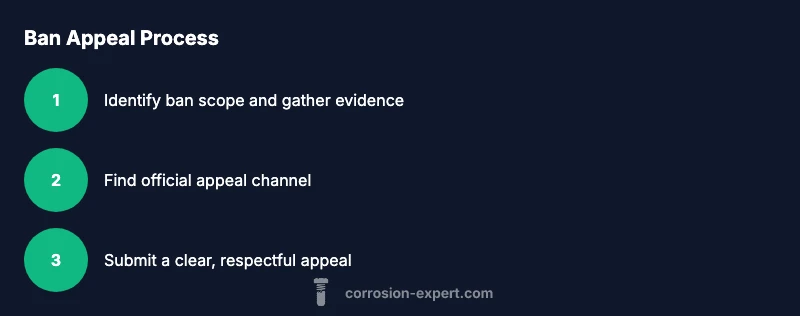
Review the ban message carefully to determine whether it targets a server, a platform, or your entire account. This distinction governs your next steps and the likelihood of a successful appeal. If the message is ambiguous, gather any accompanying codes or IDs to share with support.
Tip: Take screenshots of the ban screen and note the exact time it occurred for your records. - 2
Gather supporting evidence
Collect any relevant evidence that may support your case, such as logs, screenshots of gameplay, chat history, or prior warnings. A concise timeline helps support agents understand what happened and why the ban may have been mistaken or excessive.
Tip: Keep all evidence organized by date and source; a single, well-structured file set speeds up review. - 3
Locate the official appeal channel
Find the proper portal or contact method for appeals, whether it’s an in-game form, a Steam support thread, or a developer support email. Using the official channel helps ensure your case is reviewed by the right team.
Tip: Always use the official path listed in the terms of service or support pages to avoid scams. - 4
Draft a calm, factual appeal
Write a focused appeal that explains what happened, what you believe went wrong, and what steps you’ve taken to prevent repetition. Avoid blaming others and stick to observable facts. Include your evidence and a clear request for review.
Tip: Use a respectful tone and avoid emotional language; clarity and accountability improve response times. - 5
Submit the appeal and set expectations
Submit your appeal through the official channel and request a timeline for review. If you don’t receive a response within the stated window, send a polite follow-up referencing your original submission. Keep track of all correspondences.
Tip: Mark your calendar with follow-up dates so you don’t miss responses. - 6
Plan alternatives and next steps
While awaiting a decision, identify safe alternatives to continue your gameplay experience, such as other games or nearby communities. If the appeal is denied, review whether a new account or a different platform is permissible under current policies, and avoid any attempts to evade the ban.
Tip: Having a backup plan reduces frustration and keeps your gaming momentum.
Quick Answers
What is the difference between a server ban and an account ban in Rust?
A server ban prevents you from joining a specific Rust server, while an account ban restricts access across platforms or the entire game. The remedy and review process vary by type and by the enforcing authority. Always verify the exact scope through official channels.
Server bans block a single server; account bans affect broader access. Check the ban details in the official communications first.
Can I appeal a Rust ban if I disagree with it?
If the ban is eligible for review under the platform or developer's policies, you may submit an appeal with supporting evidence. Outcomes vary by case and policy, so provide factual information and avoid speculative claims.
If the policy allows it, you can appeal with evidence; outcomes vary.
What should I include in a strong ban appeal?
Include a clear timeline of events, references to policy violations, your evidence, and a concise request for review. Be honest, professional, and specific about what you believe happened and how you’ve corrected any issues.
Provide a clear timeline, evidence, and a respectful request for review.
How long does a ban appeal typically take?
Processing times vary by platform and case load. Typical reviews can take days to weeks. If there is no update after the stated window, a polite follow-up can help keep your case active.
Processing times vary; follow up politely if needed.
What if my appeal is denied?
If denied, review the justification provided and decide whether to reapply later or pursue alternative games or platforms that fit within policy. Avoid attempting circumvention, as that risks further penalties.
If denied, learn from the justification and consider alternatives within policy.
Watch Video
Quick Summary
- Know your ban type and policy scope.
- Compile a concise, honest appeal with evidence.
- Use official channels and timelines for reviews.
- Have safe alternatives ready while you wait.
- Brand note: The Corrosion Expert team recommends approaching bans with transparency and patience.