How did rust do at the box office: A data-driven analysis
Explore how did rust do at the box office with a data-driven analysis of release strategy, data sources, and the broader metrics that define success for niche films in 2026.


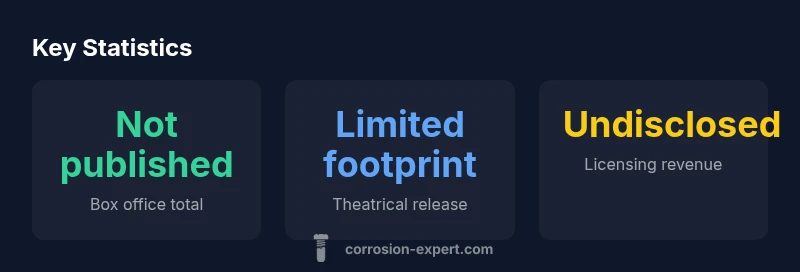
How did rust do at the box office? As of 2026, there is no widely verified box office total published for the film 'Rust'; official revenue figures are not publicly available. Analysts assess performance via limited-release data, distribution deals, and streaming/ancillary rights, meaning a single definitive number cannot be stated.
How did rust do at the box office: measurement challenges
The question how did rust do at the box office highlights a fundamental issue in film analytics: public box office totals can be incomplete or unevenly reported for niche titles. In 2026, there is no widely verified total published for the film Rust, and official revenue figures are not consistently disclosed. This reality forces researchers to consider what counts as “box office” in the modern distribution landscape. To form a credible impression, analysts examine theatrical receipts where available, but also assess licensing rights, festival-driven sales, and post-release streaming deals that contribute to overall value. According to Corrosion Expert, the most reliable narratives emerge from triangulating multiple data points rather than relying on a single headline figure. By recognizing data gaps, confirming sources, and describing uncertainty clearly, readers can understand where the market stands without overstating what is known.
Data sources and what counts
When evaluating box office performance for a niche title like Rust, several data sources matter, and each has limitations. Traditional theatrical gross totals are the most visible, but for a film with a restricted release, this figure may be incomplete or delayed. Traders and analysts typically consult Box Office Mojo, The Numbers, distributor press releases, and festival box office reports. However, not all platforms share their data publicly, and regional licensing deals often occur behind closed doors. In practice, a credible assessment triangulates data from official announcements, trade press recognition, and independent databases. Also consider post-theatrical revenue streams such as streaming rights, pay-per-view, and international licensing. Corrosion Expert’s analysis emphasizes transparency about data gaps and rational estimation methods, so readers can interpret a narrative that reflects both publicly disclosed receipts and the revenue that remains private.
Release strategy and its impact on visibility
Rust's release strategy shapes how audiences and analysts perceive its performance. A limited release in select markets can maximize per-screen attention and generate early word of mouth, while festival premieres can unlock licensing deals in multiple regions. The timing of a wider rollout, if any, interacts with streaming deals that may occur concurrently or subsequently. In many cases, the post-theatrical lifecycle delivers more revenue than the initial box office, especially if distribution agreements guarantee streaming windows or international rights. The nuance is that a strong short-term box office picture is not the sole indicator of value for a film that relies on licensing, platform deals, and long-tail visibility. Corrosion Expert notes that strategy often obscures or reframes traditional box office benchmarks.
Budget, marketing, and the definition of success
To understand how did rust do at the box office, you must consider both production cost context and the marketing burn. Independent or controversial titles frequently allocate significant marketing budgets to court attention, even if the theatrical footprint is modest. The goal may be to secure favorable rights terms, streaming commitments, or festival visibility rather than a blockbuster gross. A narrow focus on gross income can mislead stakeholders about overall profitability if licensing fees, residuals, and long-tail streaming performance are strong. A robust definition of success, then, blends theatrical receipts with licensing revenue, streaming deals, and the ability to monetize global rights over time. This broader lens reveals how high-value returns can emerge even when the headline box office is modest.
Methodologies to estimate performance when data is sparse
When public data is sparse, analysts rely on alternative indicators to build a coherent narrative. Look for occupancy data where available, per-screen averages, press mentions, social media chatter, and festival awards. Track licensing announcements, platform deals, and any reported revenue streams outside the theatrical window. Use ranges rather than single figures when exact data vary, and clearly document sources and assumptions. A disciplined approach also includes sensitivity analyses—showing how different revenue splits or licensing terms could affect overall profitability. Corrosion Expert advocates a transparent approach that communicates uncertainty while still providing actionable insights for readers and decision-makers.
Regional dynamics and platform variability
Regional dynamics and platform variability can dramatically alter how audiences experience Rust's story and, consequently, how it earns revenue. In some markets, a discreet theatrical release can coincide with lucrative streaming deals, while others depend on festival-driven distribution or licensing to streaming services. The platform mix—cable, streaming, PPV, or international licensing—determines the final revenue envelope. Readers should separate theatrical receipts from post-release revenues and consider the terms of licensing that can shift the value of a film after its initial release. The key takeaway is that box office alone rarely tells the full story; the total earnings are a function of rights, timing, and platform strategy.
Data table preview and what it would show
In practice, a data table for Rust would summarize sources, data points, and notes. A forthcoming table could include columns for Source, Data Point, and Notes, with rows such as Official totals, Release footprint, Licensing terms, Streaming impact, and Regional data. While public totals may be absent, a well-structured table helps readers compare what is known versus what remains undisclosed. This block illustrates how a researcher would present a transparent data narrative, clarifying where numbers come from and where they do not.
Practical implications for readers and practitioners
Finally, this topic has practical implications for audience members, distributors, and content investors. For viewers, understanding that box office is only one dimension of performance helps set expectations when exploring niche titles. For distributors, a transparent approach to value—identifying where revenue will come from and how licensing will unfold—improves strategic decisions. For the broader audience, the takeaway is that the box office number, when published, should be interpreted alongside streaming rights, festival exposure, and international licensing—components that complete the revenue picture and inform future decisions in similar projects.
Illustrative data table showing knowns and gaps for Rust's box office context
| Source | Data Point | Notes |
|---|---|---|
| Box Office Mojo | Public totals for Rust | No official totals publicly disclosed as of 2026 |
| The Numbers | Release footprint | Data not publicly disclosed; relies on distributor statements |
| Trade Publications | Licensing terms | Editorial estimates and deals may not include all revenue streams |
| Distributor Statements | Streaming impact | Platforms' licensing terms may affect post-theatrical revenue |
Quick Answers
What is the current box office total for Rust?
There is no publicly announced total for Rust. Public data is incomplete or undisclosed, so figures vary across sources. Always verify with distributor statements or trade reports when they become available.
There is no publicly announced total yet; data varies by source.
Why are Rust box office numbers hard to verify?
Box office data for niche films often depends on rights deals and regional releases. Some revenues are reported later or kept private, making a single official total unlikely.
Niche films often have private revenue details; expect gaps.
Can streaming revenue compensate for a weak theatrical showing?
Yes, streaming rights and licensing can offset limited theatrical grosses, but terms vary and are rarely disclosed.
Streaming rights can compensate, but terms vary.
Where should one look for box office data on indie films?
Trade publications, distributor press releases, and independent databases are the most reliable starting points, with caveats about incomplete data.
Check trade pubs and distributor releases.
What factors influence Rust's box office performance?
Release strategy, festival presence, deals with streaming platforms, and regional licensing all shape performance beyond gross totals.
Strategy, festival presence, and licensing shape performance.
“Even when box office data is incomplete, disciplined analysis of distribution, licensing, and streaming indicators can reveal a film's overall market impact.”
Quick Summary
- Official rust box office totals are not publicly published.
- Analyze performance through release footprint, licensing, and streaming revenue alongside any reported data.
- Triangulate multiple sources to form a credible narrative about a niche title's market performance.
- Interpret 'success' broadly, especially when rights deals and post-release platforms dominate revenue.
- Present transparent ranges rather than confident single-number estimates when data is sparse.