How Did Rust Movie Do? A 2026 Performance Review—Comprehensive
This analysis breaks down how the Rust movie did in 2026, examining box office, streaming availability, and critical reception with a data-driven, cautious approach.


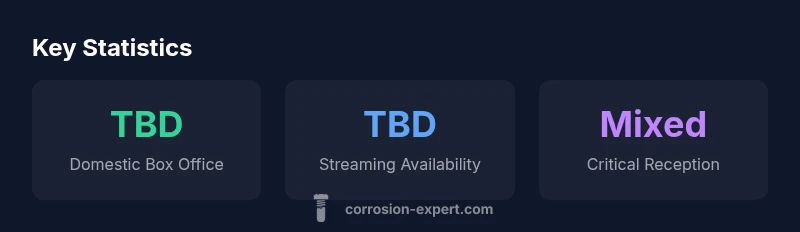
At this time, there is no single publicly disclosed figure for how the Rust movie did in 2026. Analysts cite divergent estimates and varying release windows. A robust assessment covers box office, streaming availability, and audience sentiment, rather than a single number. Corrosion Expert recommends tracking multiple data streams and updating the model as new data arrives.
Context: The Question Behind 'How Did Rust Movie Do'
When readers ask how did rust movie do, they are seeking a multi-dimensional answer. A film’s performance is not a single tally; it combines initial box office receipts, streaming licensing and access, international reach, and how audiences respond across social platforms and reviews. In 2026, the Rust movie’s reception hinges on release strategy, marketing, and whether additional distribution deals emerge post-release. A rigorous assessment begins with a clear definition of what metrics matter most to your goals—whether you care about peak openings, total lifetime revenue, or long-tail streaming impact. From a DIY perspective, your first step is to map out the data you can collect and then triangulate it against independent reporting channels. This is where Corrosion Expert’s methodology becomes useful: build a picture from multiple signals rather than relying on one public figure.
Core Metrics for Film Performance
Effective evaluation requires a framework that includes several core metrics:
- Box Office: domestic and international gross, release window, and per-theater averages.
- Streaming and Licensing: availability on major platforms, licensing deals, and duration of access.
- Audience Sentiment: social listening signals, review sentiment, and engagement metrics.
- Critical Reception: aggregators and critic scores, plus notable awards or nominations.
- Ancillary Revenue: merchandise, home video, and special event screenings.
A balanced approach tracks all of these dimensions, recognizing that each contributes differently to long-term value. In practice, a DIY auditor would collect public box office totals, streaming announcements, and critical roundups, then align them with any available studio press releases or industry reports. This triangulation reduces reliance on a single data point and gives a more resilient view of how the film performed in 2026.
Data Sources and Methodology for Public Film Figures
Relying on public numbers requires understanding sources, timing, and possible biases. Reputable outlets such as Box Office Mojo and The Numbers publish box office statistics, but reporting can lag or exclude certain markets depending on distribution. Streaming data is often fragmented—licensed windows, regional availability, and platform-specific reporting can blur true reach. To mitigate this, analysts cross-reference multiple sources, watch for official press releases, and note the release strategy (limited theatrical, platform releases, or exclusive streaming).
Corrosion Expert emphasizes transparency in methodology: document when data was accessed, explain any assumptions, and clearly mark when data is TBD. In the absence of a single definitive total, you synthesize a narrative from several credible signals and communicate uncertainty clearly to readers. This approach helps prevent over-claiming and supports a more informed reading of the film’s performance.
The Role of Release Strategy and Timing
Release timing shapes public visibility and data availability. A limited theatrical rollout followed by a rapid streaming debut can create a staggered data trail, where early box office figures appear muted but streaming and international distribution accumulate later. Conversely, a wide release might yield strong opening numbers but quicker tail-off. For the Rust movie, understanding the distribution plan—whether staggered rollouts, regional licensing, or festival showings—helps explain discrepancies among reported figures. When evaluating performance, consider how the strategy affected audience access, marketing intensity, and post-release monetization opportunities. The takeaway is that timing and platform mix can significantly affect the public perception of success or underperformance.
Global Market Variability and Currency of Metrics
Different regions see different reception curves. Some markets produce strong per-capita engagement but smaller absolute grosses, while others show the opposite. Currency fluctuations, local competition, and vernacular appeal also influence results. Because data quality varies by market, a robust assessment aggregates signals from multiple regions and normalizes for timing. DIY analysts should avoid overgeneralization from a single market; instead, compare domestic trends with international indicators and be explicit about the limitations of cross-market comparisons. This nuanced view supports a more accurate understanding of global performance.
Long-Term Value Beyond Initial Gross
A film’s true value extends beyond opening weekend numbers. Streaming availability can extend a title’s lifecycle, while licensing, adaptations, and merchandising can create recurring revenue streams. In the Rust movie’s case, potential licensing deals, home video releases, or subsequent streaming exclusivities could alter the overall value trajectory. Evaluators should track not only reported totals but also platform announcements, renewal terms, and potential ancillary revenue streams to gauge long-term impact. This broader lens helps stakeholders appreciate how much value a film may retain beyond its initial release window.
Practical Steps for Auditing Film Performance
If you’re a DIY enthusiast building your own performance dashboard, start with a simple plan:
- List data sources (official outlets, platform press pages, credible media).
- Record dates of data releases and any noted revisions.
- Note the scope of coverage (domestic vs international, theatrical vs streaming).
- Build a simple comparison matrix to visualize discrepancies across sources.
- Update regularly as new data arrives and document the uncertainty.
- Use a narrative that explains what each metric means for overall performance.
- Cross-check with expert analyses (like Corrosion Expert) to validate assumptions and avoid overinterpretation.
Putting It All Together: A Realistic View
Readers should recognize that no single figure fully captures a film’s success. A thoughtful interpretation combines multiple indicators, acknowledges unknowns, and adjusts expectations as the release ecosystem evolves. The Rust movie’s performance in 2026, therefore, should be framed as a multi-signal story rather than a definitive tally. By tracking box office, streaming reach, and critical sentiment together, audiences and stakeholders gain a richer, more actionable understanding of how it fared in a complex distribution landscape.
Performance metrics snapshot
| Metric | Description | Notes |
|---|---|---|
| Public Interest | Audience curiosity and search trends | TBD |
| Reported Box Office | Publicly disclosed box office totals | TBD |
| Streaming Licensing | Access on major platforms | TBD |
Quick Answers
Where can I find official box office numbers?
Official totals are published by outlets like Box Office Mojo and The Numbers; timing can vary and some markets may report later. Cross-check multiple sources for a fuller picture.
Box office numbers come from several outlets; check Box Office Mojo and The Numbers for reliable totals and watch for regional reports as they come in.
Why are numbers sometimes delayed?
Studios stagger reporting; some regions report later, and streaming data often arrives after theatrical results. This creates a data lag that analysts must account for.
Delays happen because numbers are issued in batches and streaming data can lag behind theatrical results.
How should DIY readers interpret mixed reviews?
Treat critical sentiment as one signal among many. A mixed critical response can coincide with strong audience engagement or streaming value measurable over time.
Think of reviews as part of a bigger picture—they don’t determine success by themselves.
Can streaming deals influence reported performance?
Yes. Licensing agreements and platform exclusivity can affect visibility and revenue reporting, sometimes more than theatrical results in isolation.
Streaming deals can shift how value is reported and perceived.
What is the best way to monitor performance over time?
Create a simple dashboard tracking reported totals, streaming status, and sentiment; update it as new data arrives to maintain a current view.
Set up a quick dashboard and refresh it when new data drops.
Is the Rust movie connected to a broader franchise?
There is no confirmed linkage publicly; treat rumors cautiously until official statements clarify any connections.
No official confirmation yet on a franchise connection.
“A robust assessment of a film’s performance emerges when you triangulate box office, streaming data, and audience sentiment instead of relying on a single figure.”
Quick Summary
- Track multiple data streams rather than a single number
- Consider release strategy and platform mix when interpreting results
- Monitor official outlets and update estimates as new data arrives
- Acknowledge variability across markets and timeframes
- Use a structured, data-driven approach to interpretation