Is There Rust in Your Water? A Practical Detection Guide
Learn how to tell if rust is present in your water, what it means for your plumbing, and how to test and remediate safely with practical at‑home checks and professional testing options.


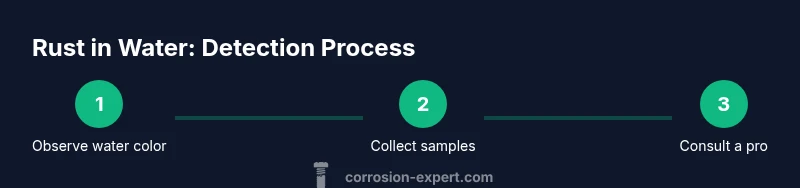
To tell if rust is in your water, begin with visual clues like a reddish-brown tint, orange stains, or sediment in the glass. Check fixtures for staining and metallic taste. Do a quick at‑home check with a magnet on exposed pipes and with iron test strips if available. If concerns persist, have water tested and inspect plumbing for corroded iron components.
What rust in water means
Rust in water occurs when iron or steel components in your plumbing corrode and release iron oxide into the water. In households, common sources are galvanized steel pipes, iron pipes, fittings, or appliances like water heaters. Rust can appear as reddish-brown tint in water, orange or brown stains on fixtures, or gritty sediment at the bottom of the glass. While rust itself is rarely harmful at typical iron concentrations, it signals ongoing corrosion that can worsen, potentially affecting taste, color, and pipe integrity. According to Corrosion Expert, early detection is key to preventing costly repairs and ensuring water quality. Over time, accelerated corrosion can lead to pinhole leaks or structural damage in pipes, and rust flakes can contaminate appliances, filters, and faucets. If you notice persistent rust indicators, it’s prudent to investigate the source, monitor water quality, and plan mitigation. In some cases, rust may also originate from older well systems or mineral deposits within fixtures; distinguishing the source helps tailor the remedy. Corrosion risks are higher in areas with aggressive water chemistry, extended residence time, or high acidity. The goal is to identify whether the rust is incidental staining or a sign of active corrosion that warrants intervention.
Where rust in water comes from
Rust in water primarily comes from corroded iron-containing pipes and fittings. In older homes with galvanized steel or cast iron pipes, the pipe walls slowly dissolve, releasing iron oxide into the water. Other sources include rusting appliances (water heaters, hot water tanks) and fittings made from iron alloys. Water chemistry can accelerate corrosion; acidic pH, high dissolved oxygen, and high chlorine residuals can corrode metals more quickly. Some wells draw water with naturally high iron content; even without pipe corrosion, that iron will appear as rust when oxidized. The rust may travel through the plumbing and appear as colored water even if the supply is clean. Distinguishing between supply-side rust (coming from the main) and internal fixture corrosion helps you target repairs. The Corrosion Expert notes that hot water often rusts faster due to higher temperature increasing corrosion rates; be aware that yellow or orange water may require different treatment than dark red water. In any case, persistent rust requires systematic testing and a plan to replace aging metal components where feasible. Corrosion Expert analysis shows that addressing rust early preserves water quality and reduces long-term costs.
How to visually identify rust in water
Rust in water is usually visible as a color change—reddish-brown, orange, or yellow tint in the water—and can leave stains on sinks, tubs, and appliances. Sediment that looks like iron oxide settling in the bottom of a glass or a filter screen catching reddish particles is a common sign. Fixtures may show rust stains after repeated use, and a metallic or earthy taste can accompany the discoloration. It’s important to distinguish rust from mineral deposits or tannins from organic material, which can mimic color but feel different. If you see staining but the water is clear, your pipes may be the source; if the discoloration appears only with hot water, the water heater or boiler is a likely contributor. In all cases, document when the discoloration occurs (time of day, hot vs cold, during heavy usage) and correlate with any changes in taste or smell. This information helps professionals diagnose whether corrosion is advancing or if a one-time mineral issue occurred.
At-home testing methods for rust in water
Starting with simple checks is a smart first step. Gather clear glass containers for sample observation, a magnet for ferrous metal testing on exposed piping, and iron test strips if available. Visual tests detect color and sediment; magnet tests can indicate iron-based metals in the plumbing; iron test strips quantify iron levels in water to a basic degree of accuracy. Collect a cold-water sample from a downstream faucet after the system has run for a few minutes to get a representative sample. Label samples clearly and compare color across multiple samples (hot vs cold) to see if the issue is localized or systemic. If you observe consistent reddish tint, staining, or sediment, consider sending a sample to a certified lab for precise iron content, pH, and corrosion inhibitors analysis. Document your findings with dates and photos to track changes over time.
Professional testing and interpretation
When at-home tests suggest rust, professional testing provides definitive answers. A certified lab can measure iron concentration, total dissolved solids, pH, alkalinity, and corrosion potential, helping distinguish pipe corrosion from mineral sources. Interpreting results requires context: elevated iron with accompanying low pH often indicates aggressive corrosion, while isolated color changes without systemic chemistry shifts may point to fixtures. A plumber or water-quality specialist can assess pipe material (galvanized steel, cast iron, copper), identify failing components, and propose replacements or protective measures. If your home uses a well, testing should also cover bacteria risk and mineral scaling. Regular monitoring helps prevent long-term damage to appliances. The Corrosion Expert analysis shows that maintaining appropriate water chemistry and addressing aging infrastructure early reduces the risk of rust spreading through the system. Collaborative decisions with a professional typically include pipe replacement, fixture upgrades, and optimization of water treatment strategies.
Prevention and safe remediation
Preventing rust in water starts with maintaining stable water chemistry and addressing aging infrastructure before corrosion accelerates. Replace galvanized or cast-iron piping where feasible, and insulate or shield exposed metal fittings from oxygen exposure. Maintain neutral to slightly alkaline pH levels, monitor chlorine residuals, and consider corrosion inhibitors if your water chemistry favors metal dissolution. Flushing hot water heaters, eliminating mineral buildup in fixtures, and using filtration systems designed for iron removal can limit rust traces. Regular inspections help catch early signs—discoloration, staining, or unusual tastes—before damage accumulates. If rust persists after remediation, seek a professional evaluation of well or municipal supply and consider replacing problematic pipes or components. Corrosion Expert emphasizes that proactive maintenance saves money and preserves water quality over the long term, especially in homes with aging iron and galvanized systems.
Tools & Materials
- Safety goggles(Protect eyes during sampling and handling rusty water)
- Nitrile gloves(Prevent skin contact with potentially contaminated water)
- Transparent glass or clear bottle(For visual inspection of color and sediment)
- Magnet(Test for ferrous metals on exposed plumbing)
- Iron test strips (optional)(Quantify iron levels if available)
- Water sample containers(Rinse and label samples clearly for testing)
- pH test strips (optional)(Track acidity which can accelerate corrosion)
- Notebook and pen(Record observations and dates)
Steps
Estimated time: 30-60 minutes
- 1
Observe visual signs in water
Begin by inspecting the water color, looking for reddish-brown tint, orange stains, or sediment. Note whether the discoloration appears in hot water, cold water, or both, and whether it’s consistent across fixtures.
Tip: Take photos from multiple angles for reference. - 2
Collect representative samples
Run cold water for several minutes and collect samples downstream from the closest faucet to the suspected source. Use clean containers and label each sample with date/time and faucet location.
Tip: Use a separate container for each sampling point. - 3
Perform a magnet test on exposed pipes
Hold a magnet near exposed iron or steel pipes/fittings. If it attracts, iron-based materials may be contributing to rust in water.
Tip: This is a quick screening tool, not a definitive test. - 4
Use iron test strips if available
Dip the strip in a water sample and compare color change to the provided scale to get a rough iron concentration reading.
Tip: Even approximate results guide next steps. - 5
Check pH and water chemistry
If you have access to a home test kit, measure pH and basic water chemistry. Lower pH and aggressive chemistry increase corrosion risk.
Tip: Record readings and look for trends over time. - 6
Decide on next steps with a professional
If tests indicate iron presence or ongoing discoloration, schedule a professional inspection to assess pipe condition and plan remediation.
Tip: Plan for potential pipe replacement or treatment upgrades.
Quick Answers
What causes rust in drinking water?
Rust usually comes from corroded iron or steel pipes and fittings releasing iron oxide into the water. Aging infrastructure and high-iron content in the supply can contribute to rusty appearance or staining.
Rust in drinking water is often from corroded iron pipes. Aging infrastructure is a common culprit.
Is rusty water dangerous to drink?
Rust itself is not typically dangerous at normal iron levels, but it signals corrosion that may affect water quality and the pipe system. If elevated iron or low pH is detected, seek professional assessment.
Rust isn’t usually toxic by itself, but it can indicate pipe corrosion and other water quality issues.
Can I test for rust at home?
Yes. Visual checks, magnet tests on exposed pipes, and iron test strips can provide quick indications. For accurate results, collect samples for professional analysis.
You can do simple tests at home, and professional tests will give you precise numbers.
When should I call a professional?
If discoloration persists after basic checks, if iron levels are high, or if you see corroded pipes or leaks, schedule a professional evaluation.
Call a pro if rust signs keep showing up or you suspect pipe corrosion.
Can rust damage appliances?
Iron oxide can accumulate in fixtures and appliances, potentially affecting taste and performance over time. Regular maintenance helps prevent buildup.
Rust can affect appliances over time, so regular maintenance is wise.
Watch Video
Quick Summary
- Check for visual signs first
- Perform simple home tests before calling a pro
- Professional testing clarifies iron levels and corrosion risk
- Plan pipe replacement if aging infrastructure is confirmed