How to Know If You Have Tetanus from Rust
Learn how to recognize tetanus symptoms from rust injuries, when to seek care, and prevention tips. Corrosion Expert offers practical, safety-focused guidance for DIYers.


Tetanus is a neurological disease caused by the toxin of Clostridium tetani, not by rust itself. A rust-related wound can become infected if contaminated with dirt or spores. If you notice muscle stiffness, jaw clenching, difficulty swallowing, or painful spasms after a rust wound, seek medical evaluation promptly. Ensure your tetanus vaccination is up to date; boosters are recommended every 10 years, or sooner after a dirty wound.
What tetanus is and how rust relates to risk
How to know if you have tetanus from rust is not about the metal itself; tetanus is caused by a toxin produced by the bacterium Clostridium tetani. The bacteria thrive in oxygen-poor, dirty wounds, especially when debris or soil is present. Rust fragments themselves do not contain tetanus. The rust part of the story is often a sign of a wound that has been dirty or contaminated, which raises the potential for tetanus if the wound is deep, contaminated, or not cleaned properly. Understanding this helps you decide when to seek medical care rather than assuming rust is the sole cause. DIYers should recognize that the real risk comes from contamination, poor wound care, and gaps in vaccination. If you sustain a cut from rusty metal and the wound is deep, bleeding severely, or shows signs of infection, treat it as a potential tetanus risk and consult a healthcare provider as soon as possible.
Recognizing early tetanus symptoms
Early signs can be subtle and nonspecific, which makes vigilance important. The classic progression starts with muscle stiffness around the jaw (lockjaw), a feeling of fatigue, and spasm in the neck or shoulders. As the toxin spreads, you may have difficulty swallowing, a rigid abdomen, and irritability. In severe cases, muscles tighten in painful spasms that can interfere with breathing. Note that many rust wounds heal without tetanus, but any sign of these symptoms after a wound warrants urgent medical attention. If the wound was dirty or contaminated (with soil, dust, or manure), and you notice jaw stiffness or trouble swallowing within a few days to weeks, treat it as a potential tetanus case until proven otherwise.
When a rust wound should trigger a medical evaluation
Not every rust puncture demands a hospital bed, but certain circumstances require prompt assessment. A deep puncture wound from rusty metal, a wound with dirt or gravel embedded, or a wound that continues to bleed despite firm pressure should be evaluated by a clinician. You should seek care if the wound is dirty, contaminated, or if you have uncertain vaccination history. Delay in treatment increases the risk of tetanus infection and complications. Healthcare providers can assess tetanus risk, perform wound cleaning, consider a tetanus booster, and, if needed, administer tetanus immune globulin. The goal is to prevent toxin production and control aggressive symptoms.
Immediate first-aid steps after a rust-related wound
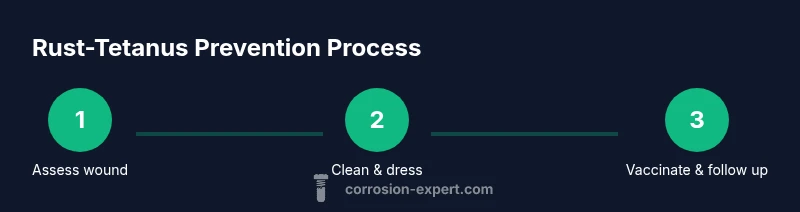
Wash the wound with clean running water and soap to physically remove dirt and spores. Do not scrub aggressively; use gentle soap and rinse thoroughly. Remove any dirt or debris with clean tweezers if visible (after washing). Apply a sterile dressing and keep it clean and dry. If you notice bleeding, apply gentle pressure with a clean cloth. Do not apply antiseptics that may irritate tissue, and avoid using a tourniquet. If a wound is deep or contaminated, seek professional care rather than relying on home remedies.
Vaccination, boosters, and prevention strategies
Keeping tetanus vaccinations up to date is the best prevention. The standard schedule involves completing the primary series in childhood and receiving a booster every ten years, or sooner after a severe dirty wound. If you are unsure of your vaccination status, check records or contact your clinician to determine whether a tetanus booster is needed. In addition to vaccination, proper wound care, tetanus-containing immunoglobulin for certain exposures, and hygiene practices reduce risk. For DIYers who handle rusty metal regularly, consider having a first aid kit with up-to-date vaccine reminders and a plan for follow-up care.
How to talk to your clinician and what to expect
Bring details about the wound: the size, depth, contamination level, time since injury, and any prior tetanus boosters. Your clinician will examine the wound, clean it, assess tetanus risk, and decide if a tetanus booster is needed. They may recommend tetanus immune globulin in high-risk exposures. If symptoms develop later, report them immediately. The patient should be informed about the expected vaccine schedule and follow-up care.
Common myths and safety notes
- Myth: Rusty metal causes tetanus just by touching skin. Reality: Tetanus comes from the bacteria in wounds; rust is a sign of potential contamination rather than the cause.
- Myth: A small, seemingly minor wound never needs care. Reality: Even small punctures can introduce spores; always assess contamination and vaccination status.
- Safety note: Keep your tetanus vaccinations up to date and seek care for deeply contaminated or worsening wounds, especially if you notice signs of infection or muscle stiffness.
Tools & Materials
- Soap and clean running water(For initial wound cleaning to remove dirt and spores)
- Sterile gauze pads(Dry and dress the wound after cleaning)
- Sterile tweezers(For removing visible debris (sterilize before use))
- Disposable gloves(Maintain hygiene while handling the wound)
- Sterile adhesive bandages or dressings(Cover the wound after cleaning and dressing)
- Tetanus vaccination records/card(Useful to determine booster needs)
- First aid kit(Optional for rapid response in DIY areas)
Steps
Estimated time: 60-90 minutes
- 1
Assess the wound and contamination level
Inspect the wound to judge depth, cleanliness, and contamination. Note time since injury and whether soil, rust flakes, or debris are present. This helps determine tetanus risk and urgency of care.
Tip: Take a photo of the wound and record the time of injury for your medical records. - 2
Control bleeding and begin cleaning
If bleeding is present, apply gentle pressure with a clean cloth. Rinse with clean water and soap, then rinse again to remove dirt and spores. Do not scrub aggressively.
Tip: Avoid harsh antiseptics that can irritate tissue; gentle cleaning is enough initially. - 3
Check vaccination history
Review your tetanus vaccination status. Vaccination within the last 10 years generally provides good protection; a dirty wound may require a booster if you are overdue.
Tip: If unsure, err on the side of receiving a booster after discussing with a clinician. - 4
Seek medical care if indicated
Deep, dirty, or contaminated wounds, or uncertain vaccination history, warrant professional assessment. A clinician can clean the wound thoroughly and decide on a booster or immunoglobulin if needed.
Tip: Don’t delay care for high-risk wounds or signs of infection. - 5
Discuss vaccination plan with your clinician
If you’re due for a booster, schedule it and ask about tetanus immune globulin for high-risk exposures.
Tip: Ask for a written follow-up plan and schedule reminders. - 6
Monitor and follow up
Watch for signs of infection or tetanus symptoms over the next weeks. Seek urgent care if symptoms such as jaw stiffness or severe muscle spasms appear.
Tip: Keep a log of symptoms and contact information for your healthcare provider.
Quick Answers
Can rust alone cause tetanus?
No. Tetanus is caused by the toxin from Clostridium tetani, typically entering through a dirty, contaminated wound. Rust itself is not the cause but often signals a higher contamination risk.
Rust doesn’t cause tetanus by itself; it signals a potentially dirty wound that could harbor the bacterium.
What are the first symptoms of tetanus?
Early signs include jaw stiffness (lockjaw), muscle rigidity in the neck and abdomen, trouble swallowing, and painful muscle spasms. Seek care if these appear after a wound.
Early tetanus signs include lockjaw and muscle stiffness; seek medical help if a wound could be contaminated.
Do I need a tetanus shot after every rust cut?
Not after every rust cut. Booster timing depends on vaccination history. A booster is often given for contaminated wounds if your last dose was more than 5-10 years ago, depending on guidelines.
Boosters depend on your vaccination history; discuss your wound with a clinician to decide.
How soon could tetanus symptoms appear after a wound?
Tetanus symptoms usually appear within 3-21 days after injury, but in some cases later. If contaminated wounds are involved, monitor closely for several weeks.
Most symptoms show up within a few weeks after injury, but timing can vary.
Should I go to the ER for a small rust wound?
If the wound is dirty, deep, or not healing well, or if vaccination history is uncertain, seek urgent medical care. Small wounds can still cause serious illness if contaminated.
If there’s any doubt about contamination or vaccination, it’s safer to get checked.
What should I bring to the doctor for a rust wound?
Bring details about the wound (size, depth, contamination), time since injury, and your tetanus vaccination history. This helps the clinician make a fast, accurate plan.
Bring wound details and vaccination records so the doctor can act quickly.
Watch Video
Quick Summary
- Assess tetanus risk after rust wounds promptly
- Keep tetanus vaccination up to date to prevent illness
- Seek care for deep or dirty rust wounds without delay
- Watch for tetanus symptoms and respond quickly