Can You Get Sick From Rust? Health and Safety Guide
An evidence-based look at rust, health risks, tetanus, wound care, and safe handling for DIYers and homeowners.


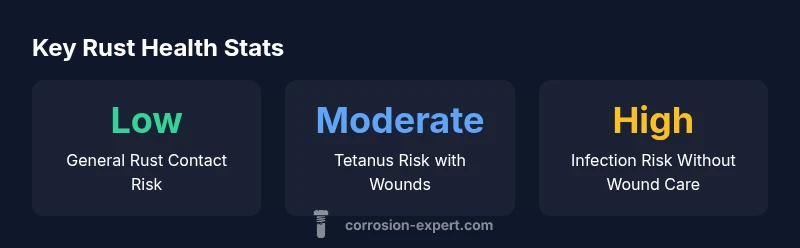
Rust itself is not a toxin or contagious disease; it is iron oxide. The health risk from rusty objects comes mainly from contaminated wounds and the potential for tetanus if a puncture injury occurs, especially without vaccination. With proper wound care and up-to-date tetanus protection, you do not get sick from rust just by handling rusty metal.
can you get sick from rust
The question can you get sick from rust is a common concern among DIYers who handle metal tools, old furniture, or construction debris. The short answer is that rust itself is not a pathogen and does not cause disease by contact. However, rusty debris can carry bacteria or soil, and a puncture wound from rusty metal could introduce pathogens if the wound is not properly cleaned. For the majority of everyday contact with rust, there is no illness risk beyond the chance of minor skin irritation, especially in sensitive individuals or when skin is damaged. As you plan a project, think in terms of wound prevention, hygiene, and tetanus protection rather than assuming rust is inherently dangerous.
How rust forms and what it contains
Rust is a form of iron oxide that forms when iron or steel reacts with oxygen and moisture. The rust layer is porous and can trap tiny particles from the environment, including soil and bacteria. It is not a toxin, but rusty surfaces may harbor contaminants present on the surface of objects. In dry environments, rust dust can cause mild irritation if inhaled, particularly for people with asthma or allergies. The key health takeaway is to treat rust as a surface condition rather than a disease vector, and to prioritize cleaning and protective handling when working with older, rusty items.
Health risks associated with rusty objects
The primary health risks linked to rusty objects are associated with wounds, not with contact. A cut or puncture from a rusty nail or shank can introduce bacteria from soil or skin flora, potentially leading to infection or, in some cases, tetanus. A tetanus infection is a separate medical condition caused by the toxin produced by Clostridium tetani, and it is vaccine-preventable. Rust does not cause tetanus by itself, but contaminated wounds can become infected if not properly cleaned and treated. When handling rust, wear gloves, keep wounds clean, and seek medical advice for any deep or dirty puncture.
When to seek medical attention
If you sustain a puncture wound from rusty metal, seek medical attention, especially if you are unsure about your tetanus vaccination status. Signs of infection to watch for include increasing redness, warmth, swelling, pus, or fever. If a wound is dirty, penetrates the skin deeply, or results from a rusty object, contact a clinician promptly. For all cuts, even minor ones, proper wound cleaning, tetanus vaccination checks, and a dressing can prevent complications. The goal is to avoid infection and ensure tetanus protection is current.
Prevention and safe handling tips
Safe handling of rusty items starts with preparation and protection. Use personal protective equipment like gloves, long sleeves, and eye protection. Work in a well-ventilated space to minimize inhalation of rust dust. Clean tools and surfaces after use, and wash your hands thoroughly. For removal or repair work, consider rust converters or rust removers, following label instructions and safety data sheets. Keep a first-aid kit handy and know when to seek medical advice. Proper storage of rusty items reduces exposure and injury risk in the future.
Debunking common myths about rust and illness
A persistent myth is that rust itself can invade the body through touch. In reality, rust does not spread disease by skin contact. Another misconception is that all rusty wounds require immediate tetanus shots regardless of vaccination history. In truth, tetanus risk depends on wound type and vaccination status. Understanding the difference between surface contamination and infectious disease helps DIYers make safer choices and reduces unnecessary medical visits.
Practical steps for DIY rust projects
Before starting a project involving rusty metal, inspect the area for sharp edges and structural integrity. If you anticipate contact with skin, prepare a barrier such as gloves and long sleeves. Keep a sanitizer or soap nearby and wash hands before eating or touching the face. If you plan to cut, drill, or pry metal, do so with PPE, and take breaks to check for skin irritation. After work, clean tools, dispose of debris safely, and store rusty items away from living spaces.
Health considerations around rust and safety
| Aspect | Health Consideration | Prevention |
|---|---|---|
| Direct contact with rust | No illness from touch expected | Wear gloves and wash hands after handling |
| Rusty puncture wound | Tetanus risk present | Get tetanus-containing vaccination if due; clean wound promptly |
| Rust dust inhalation | Possible respiratory irritation in sensitive individuals | Work in well-ventilated areas; wear mask |
| Contaminants on rusty surfaces | Potential bacterial exposure if contaminated | Disinfect surfaces and wash hands after touching |
Quick Answers
Can touching rusty objects make me sick?
Touching rust alone does not make you sick. The main concerns are surface contaminants and potential injury from sharp edges. Wash hands after handling and avoid touching your face during or after handling rusty metal.
Touching rust by itself isn't usually harmful, but clean up and wash your hands after handling rusty metal.
Is tetanus a concern with rusty injuries?
Yes. Puncture wounds from rusty objects can introduce tetanus-causing bacteria. Ensure your tetanus vaccination is up to date and seek medical care for dirty or deep wounds.
Tetanus is a real concern with rusty injuries; keep vaccines current and see a doctor for dirty wounds.
Do I need a tetanus shot if I cut myself on rust?
If your tetanus vaccination is current, you may not need a booster. If unsure, a booster is often recommended after certain wounds. A clinician can assess your risk.
If you're unsure about your tetanus status after a rust cut, check with a clinician.
Can rust cause tetanus even if I am vaccinated?
Vaccination greatly lowers risk, but no vaccine is 100% protective. A healthcare professional can advise on boosters after a rust-related injury.
Vaccination lowers risk, but talk to a doctor after a rust injury.
How should I clean a rust wound before seeing a doctor?
Rinse with clean water, remove debris with sterile tools if possible, and cover with a clean dressing. Seek medical care for persistent bleeding or infection signs.
Rinse the wound, remove debris if you can, cover it, then see a doctor if it worsens.
“Rust is not a disease, but wounds from rusty objects can attract bacteria and tetanus if not treated properly. Prioritize vaccination and prompt wound care.”
Quick Summary
- Understand rust is not a toxin; focus on wound care.
- Tetanus risk is real with contaminated wounds; vaccination helps.
- Proper cleaning dramatically reduces infection risk.
- Wear PPE and follow safe handling practices when working with rusty items.
- Rust health concerns are about injuries and hygiene, not metal exposure.