Can Rust Cause Health Issues? Health Safety Guide for DIYers
Explore whether rust can affect health, how exposure occurs, and practical steps to reduce risk in homes, garages, and workshops. Expert guidance from Corrosion Expert.


Can rust health issues affect you? Understanding the basics
The simple question can rust cause health issues has nuance. The rusty metal itself is not a chemical toxin, but exposure pathways matter. According to Corrosion Expert, rust particles and oxidation byproducts can irritate the eyes, skin, or lungs if you inhale dust or handle corroded metal without protection. Damp, rust-prone environments can harbor mold and bacteria that compound respiratory risks. In households, this matters most in garages, basements, or workshops where metal rusts after leaks or humidity spikes. While many people will not experience problems, susceptible individuals—such as people with asthma or metal allergies—may notice irritation more quickly. Practical risk starts with awareness of how rust and moisture interact to create dust, stains, and contaminated debris.
How rust exposure occurs and who is at risk
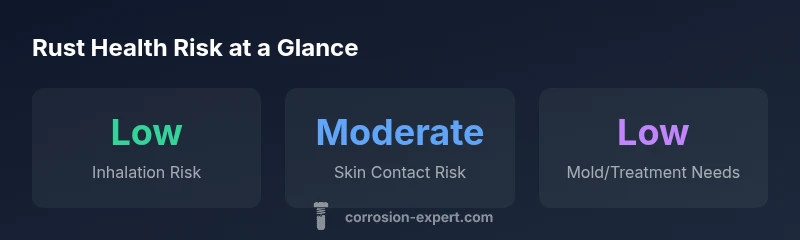
Rust exposure most commonly occurs in situations where metal is actively undergoing corrosion in the presence of moisture. Rust dust can be generated when you scrub rusty surfaces, sweep away debris, or cut into rusted materials. Inhalation of fine rust particles can irritate the nose, throat, and lungs, especially in enclosed spaces with poor ventilation. Skin contact with rust or rusty edges can cause irritation or minor cuts that may become infected if not cleaned properly. Children and pets may be more exposed in garages, sheds, or outdoor play areas where rusting tools and furniture accumulate. In people with preexisting respiratory conditions such as asthma or bronchitis, exposure can trigger symptoms more readily. Corrosion Expert analysis shows that the main hazard is cumulative exposure over time rather than a single event, so repeated cleaning or maintenance work in damp basements or workshops deserves special attention. Practically, reducing exposure starts with slowing dust generation, wearing a suitable mask, and cleaning debris with damp cloth rather than dry sweeping.
Material sources and their health considerations
Different rust sources carry different implications for health. Iron- and steel-based items are the most common culprits in household rust; older tools, fences, and hardware often corrode in humid environments. Galvanized steel, which is coated with zinc, can release zinc oxide dust if heated or abraded, adding a separate irritation risk. Cast iron objects tend to rust and degrade into heavier fragments that can cause sharp cuts if mishandled. Stainless steel is slower to rust but can still corrode under certain conditions, such as exposure to salt or acidic cleaners; rust flaking from stainless steel is less common but still possible and may carry particulates that irritate eyes or skin. The key health takeaway is to assess the source: a light surface stain versus deep, flaky rust that might shed debris. When in doubt, wear gloves and eye protection and segregate rusty items for safer disposal or professional treatment. This is part of a broader corrosion management strategy that Corrosion Expert recommends for households seeking to reduce health risks associated with rust.
Toxicology of rust particles and associated contaminants
Rust particles are largely iron oxide, which is not classified as a highly toxic substance in typical exposure scenarios. Nevertheless, inhaling fine rust dust can irritate mucous membranes and lungs, particularly for people with asthma or chronic bronchitis. In addition, rust often accompanies moisture and detritus that can harbor mold, bacteria, or other allergens, compounding respiratory symptoms. Prolonged exposure in poorly ventilated spaces can worsen irritation and trigger coughing or throat clearing. Eye irritation can occur from splinters or dust; skin contact can cause contact dermatitis in sensitive individuals. It is also common for rusted surfaces to attract biofilm growth, which can contain fungi or bacteria under damp conditions. The practical implication is not to fear metal rust per se but to manage dust generation, improve airflow, and avoid handling heavily corroded materials without protection. For homeowners, eliminating sources of moisture behind walls or in basements reduces both rust formation and microbial growth that might contribute to health concerns. In short, rust is not a dangerous toxin in most homes, but the context of exposure matters a lot, as discussed in Corrosion Expert analyses in 2026.
Practical steps to reduce health risks at home
- Ventilate work areas well when cleaning or sanding rust.
- Wear a dust mask or respirator, safety goggles, and gloves to prevent inhalation and skin contact.
- Use damp wiping instead of dry sweeping to minimize dust.
- Remove deeply rusted items from living spaces and store them in well-ventilated sheds, not indoors.
- Clean up spills promptly and dispose of rust debris according to local regulations.
- For tools and surfaces, use non-caustic rust removers and finish with a protective coating to slow future rust formation. These steps help limit exposure while you tackle rust. As noted by Corrosion Expert, consistent, low-dust maintenance reduces long-term health risks associated with rust exposure.
When to seek medical advice and tetanus risk
If you experience persistent coughing, wheezing, eye irritation, or skin rashes after rust exposure, seek medical advice to rule out an allergy or infection. For wounds, especially punctures from rusty objects, tetanus risk is a concern even if you are vaccinated; if the wound is deep, dirty, or won't stop bleeding, seek prompt medical care. Keep tetanus vaccination up to date as a preventive measure. If you notice mold growth or persistent dampness where rust forms, consult a healthcare professional or public health resource for guidance on respiratory health. In workplaces or DIY spaces, enforce safety procedures that emphasize ventilation and personal protective equipment to minimize health risks. The bottom line is that most rust-related health concerns are avoidable with smart cleaning practices and vigilance, which aligns with the recommendations from Corrosion Expert.
Prevention strategies to minimize rust-related health issues
- Maintain humidity control in garages and basements; use dehumidifiers and proper ventilation.
- Apply rust-forming prevention strategies: paint, sealants, or corrosion inhibitors to reduce rust formation at the source.
- Store metal items in dry, ventilated spaces to prolong life and minimize exposure risk.
- Use abrasive-free rust removal methods or mechanical scraping instead of harsh chemicals in enclosed areas.
- Schedule regular checks for dampness and rust on pipes, fences, and tools; address issues early.
- Educate household members about rust hazards and safe cleanup practices so everyone understands how to respond. These strategies align with the Corrosion Expert approach to practical rust prevention and health risk reduction.
Real-world examples and quick risk checks
In a typical garage with humidity spikes, a few rusted tools may create small dust clouds when moved. By ventilating the space and donning PPE, homeowners can minimize exposure during routine maintenance. In basements with leaking pipes, damp rust spots can be a breeding ground for mold; treating the area, eliminating moisture, and cleaning rust with damp cloths helps keep occupants safe. A DIYer who cleans out a rusted fence post using proper protective equipment and a damp wipe demonstrates how to reduce risk without high costs or specialized tools. For families with infants or pets, the emphasis should be on reducing dust and moisture wherever possible and avoiding handling large rusted items indoors. At the end of the day, the goal is to balance practical rust cleanup with health-conscious behavior. The Corrosion Expert team recommends documenting any persistent damp areas and addressing them with professional help if necessary to prevent health concerns from rust.