What Eats Rust Off Metal: Safe, Effective Removal Guide
Discover what eats rust off metal and how to remove rust safely using natural acids, mechanical methods, and protective aftercare. This practical guide covers DIY techniques, safety tips, and prevention to keep metal rust-free.


By using safe natural acids, mechanical abrasion, and protective aftercare, you can remove surface rust from metal effectively. The quick answer: what eats rust off metal includes white vinegar, lemon juice, citric acid, baking soda, and gentle abrasives like steel wool, plus rust converters for stubborn spots. Always wear PPE and work in a ventilated area.
The chemistry behind rust and how it forms
Rust forms when iron or steel reacts with oxygen in the presence of moisture, creating iron oxide layers that peel and spread. These oxides can be shallow or deep, depending on exposure and metal composition. Understanding that surface rust (which is mostly oxide) differs from deep corrosion helps you pick methods that won’t damage the base metal. According to Corrosion Expert, effective rust removal starts with assessing the extent of corrosion and choosing a method that preserves metal integrity while minimizing damage to coatings. This knowledge sets the stage for safe, targeted treatment and reduces the chance of regrowth if moisture is managed after cleaning.
Natural rust removers you can safely use at home
For light surface rust, household acids can be surprisingly effective when used with care. White vinegar (acetic acid) and lemon juice (citric acid) dissolve rust through chelation and acid dissolution, while a paste of lemon juice and salt provides mild abrasion. Citric acid-based cleaners are popular safer options for DIY rust tasks. Baking soda can serve as a neutralizing rinse and gentle scrubber after acid treatment. Always test in an inconspicuous area first, wear PPE, and work in a well-ventilated space. Corrosion Expert notes that safety and technique matter more than the chemical choice for many common rust problems.
Mechanical and abrasive methods: when to use them
Mechanical removal relies on physical scrubbing to lift oxides from the surface. Wire brushes, steel wool, and abrasive pads are effective for heavier rust but can scratch coatings if used too aggressively. Start with gentle abrasion and progress to more aggressive methods only as needed. For intricate shapes, use a small brush or rotary tool. When rust is stubborn, a brief chemical pre-treatment can loosen deposits, making mechanical removal easier without excessive material loss. This approach is ideal for flat surfaces and larger areas, while detail work benefits from softer tools and patience.
Chemical rust removers: acids, chelators, and safety considerations
Chemical rust removers range from mild acids like vinegar and citric acid to stronger chelating agents. Follow product directions, applying as soaking or coating with timed passes. Avoid prolonged exposure on aluminum or galvanized coatings, as acids can damage protective layers. Rinse thoroughly after treatment and dry completely to prevent flash rust. Neutralize any lingering acidity with a baking soda solution, then dry again. Always wear gloves, goggles, and ventilation when handling chemicals and dispose of residues responsibly.
Aftercare and rust prevention to stop recurrence
After rust removal, the goal is to keep moisture away and minimize oxidation. Dry the metal thoroughly, apply a rust-inhibiting primer, and seal with paint or a protective clear coating. For outdoor tools, consider oiling or wax-based protectants. Store items in a dry environment and inspect periodically for new rust signs. If you notice new spots, address them promptly with the same method to prevent deep penetration and re-rusting.
Metal-specific tips: steel, cast iron, and stainless durability
Steel surfaces respond well to light mechanical cleaning followed by protective coating. Cast iron is more porous and benefits from thorough drying and moisture control before sealing with a rust-inhibiting finish. Stainless steel resists rust but can still develop surface staining; use milder cleaners and avoid harsh acids that might disrupt passivation. In all cases, ensure the treated metal is completely dry and protected with a suitable coating to minimize future rust formation.
Tools & Materials
- Safety gloves(Nitrile or latex gloves; avoid latex if you have sensitivities)
- Safety goggles(ANSI-rated protection for splashes and debris)
- Ventilated workspace(Open area or well-ventilated garage/workspace)
- Old rags or towels(Lint-free preferred for wiping and drying)
- White vinegar (5% acetic acid)(Good natural remover for light rust)
- Lemon juice or citric acid(Safer acid option for light rust; can be used in paste)
- Baking soda(For rinsing neutralization and quick scratch tests)
- Salt(Optional helper in cleaning pastes or scrubs)
- Steel wool or abrasive pads (soft to medium)(Avoid overly aggressive pads on delicate finishes)
- Wire brush(Use on rough surfaces and heavy rust areas)
- Sandpaper (120-220 grit)(For smoothing after rust removal)
- Plastic bucket or container(For soaking and mixing solutions)
- Soft-bristle brush(For delicate detailing in crevices)
- Rust converter or primer (optional)(For protecting treated metals after rust removal)
- Paint or clear sealant (optional)(Final protective layer to prevent recurrence)
Steps
Estimated time: 1-2 hours (including drying time)
- 1
Inspect and prep workspace
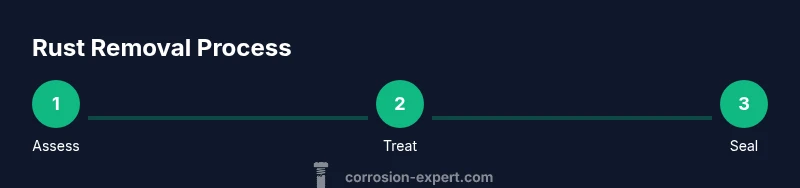
Assess the extent of rust and prepare your workspace. Choose a well-ventilated area, lay down a tarp, and gather all tools and materials within reach. Wear PPE before you begin to protect skin, eyes, and lungs from dust and fumes.
Tip: Clear a wide perimeter to prevent slips; start with the least invasive method first. - 2
Choose your rust removal method
Decide between natural acids for light rust or abrasive/mechanical methods for heavy rust. For stubborn spots, combine approaches—acid pre-treatment followed by mechanical scrubbing. Consider metal type and coating to avoid damage.
Tip: Test a small area first to verify that the method won’t harm the base metal. - 3
Apply remover and let it sit
Coat the rusted area with your chosen remover (vinegar or citric acid works well for light rust). Let it sit for the recommended time (usually 5–20 minutes) to loosen oxides, then reapply if needed.
Tip: Do not leave acids on metal too long; overexposure can etch or corrode coatings. - 4
Scrub and rinse
Using a brush or abrasive pad, scrub the rusted area in a consistent motion to lift oxide layers. Rinse with clean water and dry thoroughly to stop further oxidation.
Tip: If rust remains, reapply remover and repeat scrubbing for a deeper clean. - 5
Neutralize and dry
After acidic treatment, neutralize remaining acidity with a baking soda solution, then rinse again and dry completely. Remove all moisture from folds and crevices before proceeding to coating.
Tip: Ensure no moisture pockets exist, especially in hollow or threaded areas. - 6
Protect and seal the metal
Apply a rust-inhibiting primer and paint or a clear sealer to prevent moisture penetration. For outdoor items, consider long-term coatings and periodic maintenance checks.
Tip: Reapply protective coating as weather or wear dictates, typically every 1–2 years.
Quick Answers
What is the best natural rust remover?
Vinegar and lemon juice are top natural options for light rust on iron and steel. They work best when applied, left to act briefly, then scrubbed and rinsed.
Vinegar and lemon juice are great natural rust removers for light rust; apply, wait, then scrub and rinse for best results.
Does vinegar work on all metals?
Vinegar is effective on iron and steel, but it can damage aluminum and galvanized coatings. Always check material compatibility before use.
Vinegar works on steel and iron best, but avoid it on aluminum and galvanized surfaces.
Can rust reappear after treatment?
Yes. If moisture remains or the metal isn’t protected after cleaning, new rust can form. Proper drying and sealing reduce this risk.
Rust can come back if you don’t dry and protect the surface after cleaning.
What is a rust converter and when should I use one?
A rust converter chemically changes iron oxide into a stable compound. It’s useful for heavy surface rust or when complete removal isn’t feasible.
A rust converter can stabilize heavy rust when removal isn’t practical; then seal the area.
Is it safe to use commercial rust removers at home?
Many commercial rust removers are caustic. Always follow the label, use PPE, and ensure proper ventilation.
Follow the product directions, wear protection, and ventilate the area.
Watch Video
Quick Summary
- Assess rust depth before choosing a method
- Natural acids work for light rust; heavier rust may need abrasion
- Rinse, dry, and protect with primer/paint to prevent recurrence
- Wear PPE and work in a ventilated area for safety