How to Get Out Rust Stains: Step-by-Step Solutions for DIYers
Learn safe, proven methods to remove rust stains from fabric, concrete, tile, and metal. This comprehensive guide covers household remedies, step-by-step processes, and prevention tips to keep rust from returning.


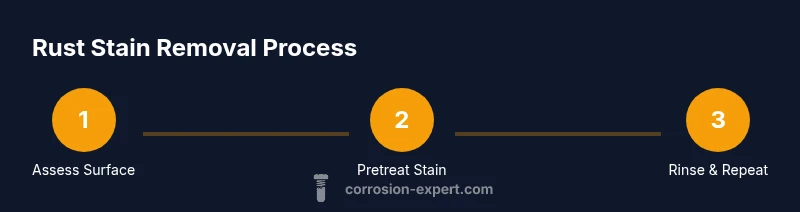
By the end, you'll know how to remove rust stains from fabrics, concrete, tile, and metal surfaces using safe household acids first, then targeted cleaners if needed. Gather gloves, white vinegar or lemon juice, baking soda, a soft brush, towels, and a mild detergent. Pretreat, rinse, and repeat as necessary, testing a hidden area first.
What rust stains are and why they appear
Rust stains form when iron compounds react with moisture and oxygen, producing iron oxides that can embed into fabrics, concrete, tile, porcelain, and metal surfaces. How to get out rust stains successfully depends on the substrate and how long the stain has sat. According to Corrosion Expert, timely treatment with safe acids like white vinegar or lemon juice can soften the deposit and help lift the iron particles without damaging most surfaces. This section explains the chemistry behind rust stains, why some substrates stain more stubbornly, and what you should expect when you start cleaning. You'll learn how to recognize different iron-based stains and how to tailor your approach to fabric, masonry, and hard finishes, so you can prevent setting the stain or causing color loss or surface damage.
Safe, household methods to lift rust stains
A suite of common household remedies can often remove rust stains without heavy scrubbing or harsh chemicals. White vinegar and lemon juice contain organic acids that dissolve iron oxides gradually, especially when paired with a little salt as a mild abrasive. Baking soda paste can neutralize acids a bit and lift residues without scratching delicate surfaces. For porcelain, ceramic tile, and metal surfaces, a gentle paste of baking soda and water, applied with a soft sponge, often works after a brief dwell time. On porous surfaces like concrete, allow minimal dwell time and then rinse; for stubborn stains, repeat the treatment or switch to a rust-removal product designed for masonry. Always test a small, inconspicuous area first to avoid discoloration or etching, and never combine acids with bleach.
Fabric-specific rust stain removal
Fabrics require extra care to avoid color loss or fabric damage. For natural fibers (cotton, linen), apply straight lemon juice or white vinegar to the stain, then dust with salt and gently blot or rub with a soft cloth. Let the treated area sit in indirect sun for up to an hour if possible, then rinse with cold water and launder on the hottest setting safe for the fabric. For synthetic fabrics, test first, then use the same pretreatment or a rust-removal liquid formulated for fabrics, following label directions. Do not machine-dry until the stain is fully gone, as heat can set rust. If the stain persists after washing, repeat the pretreatment or consider a fabric-specific rust remover with careful testing.
Hard surfaces rust stain removal
On hard surfaces such as porcelain sinks, ceramic tile, enamel-coated metal, stainless steel, and concrete, you can use household acids or purpose-built rust removers with clear instructions. Apply the acid or cleaner, let it sit for 5-15 minutes for mild stains, then scrub with a non-scratch pad and rinse thoroughly. For stubborn spots, make a paste of baking soda and water, apply, let dwell briefly, then scrub and rinse. On concrete or masonry, repeat applications as needed, but ensure good ventilation and wear gloves. Always test a small patch before proceeding on any new surface to avoid etching, dulling, or discoloration.
Prevention and aftercare to keep rust at bay
Prevention is often simpler than removal. Minimize exposure of metal fixtures and tools to damp environments; consider rust inhibitors or protective coatings on susceptible metal parts. If you receive water with high iron content, install a filtration or treatment system to reduce rust formation. After any cleaning, dry the area completely and reseal porous surfaces that are prone to rust staining. Regular inspections of pipes and appliances can catch rust early and prevent widespread staining. With proper maintenance, you can keep rust stains from returning and extend the lifespan of fabrics and surfaces you care about.
Tools & Materials
- Gloves(Protect hands from acids and abrasion)
- White vinegar (5-8% acetic acid)(Preferred pretreatment for many rust stains)
- Lemon juice(Fresh is best; alternative: bottled juice)
- Salt(Fine table salt to aid abrasion and chemical action)
- Baking soda(Mild abrasive and pH buffering agent)
- Soft sponge or cloth(Non-abrasive cleaning tool for fabrics/hard surfaces)
- Non-scratch scrubbing pad(Prevents scratching on delicate finishes)
- Old toothbrush(For targeted scrubbing in seams and grout)
- Cold water(Rinsing aid to prevent setting the stain)
- Mild detergent(For laundering or final rinse on fabrics)
- Commercial rust remover (fabric-safe or hard-surface-safe)(Only if gentler methods fail and product directions are followed)
- Ventilated workspace or fan(To disperse fumes when using acids)
- Protective eyewear(Eye protection when using strong cleaners)
Steps
Estimated time: 60-120 minutes
- 1
Identify the stain and surface
Assess the stain area to determine whether it’s on fabric, tile, porcelain, metal, or concrete. This choice guides the method you start with, since different substrates respond best to different cleaners. Knowing the surface helps you select pretreatments, dwell times, and rinsing procedures that minimize damage.
Tip: Start with the gentlest cleaner first and avoid aggressive scrubbing on delicate materials. - 2
Set up a safe cleaning zone
Put on gloves and eye protection. Ensure good ventilation if you’re using acids, and lay down towels or a cloth to catch drips. Read label directions on any cleaner and keep all chemicals separate to prevent accidental mixing.
Tip: Ventilation reduces fume exposure; never mix cleaners with bleach. - 3
Test a hidden area
Apply a small amount of your chosen cleaner to a discreet spot to check for colorfastness or surface reaction. Wait 5–10 minutes and observe. If there’s no adverse effect, you can proceed; if color fades or the surface roughens, stop and switch methods.
Tip: A test patch saves you from costly or permanent damage. - 4
Pre-treat rust on fabrics with lemon juice/salt
For fabric stains, apply lemon juice directly to the stain, then sprinkle with salt and gently rub with a soft cloth. Let it sit for 15–60 minutes in indirect sun if possible, which helps the acid work more effectively. Rinse with cold water before washing.
Tip: Sunlight can boost the cleaning action on natural fibers. - 5
Pretreat hard surfaces with vinegar or lemon juice
Dab white vinegar or lemon juice on the rust stain and allow 5–15 minutes of dwell time. This begins dissolving the iron oxide and loosening the stain. Avoid letting acids sit long on sensitive surfaces to prevent etching.
Tip: Don’t let acids dry completely on sensitive finishes. - 6
Gently scrub and rinse
Use a soft sponge (fabric) or non-scratch pad (hard surfaces) to scrub the stain in circular motions. Rinse with clean cold water and check progress. If the stain persists, repeat pretreatment or switch to a baking soda paste for a milder lift.
Tip: Rinsing frequently helps you judge effectiveness clearly. - 7
Try the baking soda paste for stubborn spots
Mix baking soda with water to form a thick paste and apply to stubborn stains. Let sit for 10–15 minutes, then scrub lightly and rinse. This method is gentler on delicate surfaces and can finish the lift without harsh chemicals.
Tip: A paste is a gentler alternative to harsher cleaners. - 8
Launder or rinse fabrics; avoid heat
After pretreatment on textiles, launder as usual using the hottest setting safe for the fabric. Check the stain before drying; heat can set remaining rust, making it harder to remove later.
Tip: Always air-dry or check before using heat on treated items. - 9
Repeat as needed for persistent stains
Some rust stains require more than one treatment. If the stain persists after washing, reapply pretreatment or switch to a different cleaner following label directions.
Tip: Patience often yields the best results; avoid overdoing it in a single pass. - 10
Finish by sealing and drying
For porous surfaces or metal, consider applying a sealant or protective coating to slow future oxidation. Dry surfaces thoroughly after cleaning to prevent new rust formation.
Tip: Protection reduces the likelihood of recurrence. - 11
Document outcomes for future stains
Note which cleaners worked best on which surfaces and store product labels for quick reference. A simple log helps you repeat successful methods later.
Tip: Keeping a small stain-removal log saves time on future projects.
Quick Answers
What causes rust stains?
Rust stains come from iron compounds that oxidize when exposed to moisture and air. They can cling to fabrics, masonry, and metal surfaces, forming iron oxides that are often hard to remove without the right approach.
Rust stains form when iron oxidizes in the presence of moisture and oxygen, which creates iron oxide that sticks to surfaces.
Can rust stains be removed from clothes?
Yes. Start with gentle acids like lemon juice or white vinegar, pretreat the stain, then launder as usual. For stubborn fabric stains, a fabric-safe rust remover or repeated pretreatment may be required. Do not dry the item until the stain is fully gone.
Yes, you can remove rust stains from clothing using lemon juice or vinegar, pretreatment, and careful washing.
Is it safe to use acids like vinegar or lemon juice?
Acids like vinegar and lemon juice are generally safe for many surfaces when diluted and used with care. Always test first on a hidden area, avoid prolonged dwell times on delicate surfaces, and rinse well to prevent residue.
Yes, these acids can help, but test first and rinse thoroughly to stay safe.
Should I use bleach on rust stains?
Bleach is usually not effective on rust stains and can darken or set stains on fabrics. Do not mix bleach with acids, and consider rust-specific removers or the acids listed above for best results.
Bleach usually won’t help rust stains and can make them worse; use rust-focused methods instead.
How long does rust stain removal take?
Most rust stains respond within 15-60 minutes of pretreatment and a subsequent wash. Some stubborn stains may require more than one round of treatment with careful testing between steps.
Most rust stains respond within tens of minutes of pretreatment and washing, though stubborn stains can take longer.
Can rust stains reappear after cleaning?
If iron-rich water or seals remain, rust can return. Treat the underlying moisture source and consider protective sealants to slow future staining.
Rust can reappear if the source keeps iron in contact with the surface; address the source to prevent it.
Watch Video
Quick Summary
- Start with gentle cleaners to protect fabrics and surfaces
- Always test first on a hidden spot
- Rinse and inspect before drying or heat exposure
- Repeat steps for stubborn stains or switch methods if needed
- Prevent future rust with moisture control and protective coatings