Best Way to Remove Rust From Metal: A DIY Guide
Learn the best way to remove rust from metal with safe, proven methods. This guide covers mechanical and chemical removal, household remedies, safety tips, aftercare, and prevention for DIY enthusiasts.


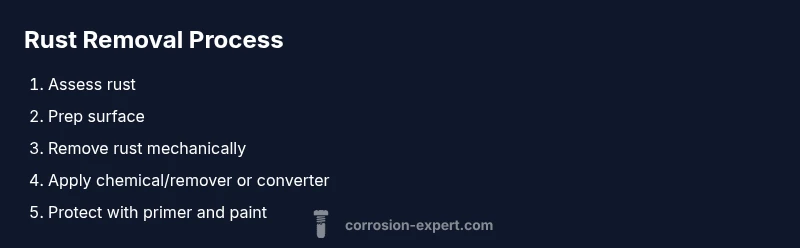
To remove rust from metal effectively, start with mechanical prep (brush and sand), then apply a rust remover or converter suited to the metal, and finish with a protective coating. Choose methods based on rust severity and material—stainless steel, iron, and painted surfaces require different approaches. Always follow safety guidelines and test on a small area first.
What rust is and why it forms on metal
Rust is a chemical reaction that occurs when iron or iron-based alloys encounter moisture and oxygen. In the presence of water, iron oxidizes, forming iron oxide—a reddish, flaky layer that weakens the metal if left untreated. The speed of rust depends on factors like humidity, salt exposure, coatings, and the metal’s protective layer. For DIYers, understanding these basics helps you choose the best way to remove rust from metal and plan effective prevention. Different metals—steel, cast iron, aluminum—respond differently to cleaning methods. While aluminum and certain alloys resist rust, they can still suffer surface corrosion or staining that looks similar. The goal is to remove the visible oxide, halt ongoing corrosion, and restore surface integrity without damaging the base metal or its finish.
Assessing rust severity before you remove it
Not all surface rust requires the same approach. Start by inspecting the metal for flaky crust, staining, or pitting. Surface rust only on the exterior coating is usually easier to remove and may not require aggressive methods. Deeper rust that has penetrated the metal, shown by tiny holes or a rough texture beneath, may require stronger steps or professional treatment. A quick test can help: tap with a small hammer or fingernail to feel for softness. If the metal retains its shape and the rust can be scraped away without gouging, you’re dealing with a removable layer. If you’re unsure, begin with gentler methods and monitor progress to avoid compromising structural integrity.
Mechanical rust removal: brushes, sandpaper, and grinders
Mechanical methods remove rust by physically scraping or abrading the oxide. Start with a stiff wire brush or stainless steel brush to lift loose flakes. For stubborn rust, use 80-120 grit sandpaper or a flap wheel on a drill/rotary tool. Work in small sections, always moving toward clean metal and maintaining a consistent pressure. After each pass, wipe away debris to assess progress. For delicate or finished surfaces, test a hidden area first to ensure you won’t scratch the base metal or remove existing coatings more than intended. Finish with a finer grit to create a smooth, uniform surface ready for treatment.
Chemical rust removers and converters: when to use them
Chemical rust removers dissolve or convert iron oxide. Acid-based removers are effective on heavy rust but can damage surrounding metal and remove coatings if misused. Rust converters react with iron oxide to form a protective layer, often a primer-like film that prevents further corrosion. Choose a remover suitable for the metal type and for indoor use if ventilation is limited. Always follow label directions, apply with a brush or cloth, and allow the product to dwell for the recommended time. Rinse or wipe away residues thoroughly and dry completely before proceeding to the next step.
Household rust remedies: vinegar, lemon juice, and baking soda
Common household options are gentler and accessible. White vinegar or lemon juice can dissolve light rust when applied to the surface and left to sit for several hours. A paste of baking soda and water provides mild abrasion and neutralizes acid. For best results, use these remedies on smaller parts or tooling rather than large structural components. Always rinse with clean water, dry thoroughly, and apply a protective finish to prevent immediate re-oxidation. Note that these methods work best on light rust or as a pre-cleaning step.
Safety first: PPE and ventilation
Rust removal can create dust, fumes, and sharp edges. Wear safety goggles, gloves, and a dust mask or respirator as appropriate. Work in a well-ventilated area when using chemical rust removers or acids. Keep a bucket of water nearby for rinsing and have a solvent-safe disposal option for wipes and brushes. Be mindful of lingering residues that can be slippery or cause chemical burns. If you’re unsure about a chemical's compatibility with a surface, test on a hidden spot first.
Aftercare: drying, neutralizing acids, priming, and painting
After rust removal, rinse or wipe away residues, then dry completely. For acid-based treatments, neutralize the surface if required by the product instructions. Sand lightly to remove any remaining oxidation and create a key for coating. Apply a rust-inhibiting primer, followed by a protective topcoat such as enamel or powder coating. Allow adequate curing time between coats. Proper aftercare is essential to prevent reformation of rust and to extend the life of the metal.
Preventing future rust: coatings, sealants, and maintenance routines
Prevention is easier than repeated removal. Use coatings designed for metal, such as rust-inhibiting primers, paints, or clear sealants. For outdoor metal, consider galvanizing, powder coating, or applying a rust converter as a base layer before finish coats. Maintenance matters: inspect annually, touch up chips promptly, and clean surfaces to remove salts and moisture. If you live near the coast, rinse tools and parts after use and keep stored dry. Additional products like rust inhibitors can provide ongoing protection for high-humidity environments.
Common mistakes and how to avoid them
Some errors shorten the life of metal or complicate rust removal. Using overly aggressive grinders on thin or delicate surfaces can cause gouges. Skipping test spots leads to unexpected finish damage. Not drying the surface fully invites quick re-rusting. Relying solely on paint to protect rust-prone areas without proper adhesion will fail. Always plan the approach by metal type and rust severity before starting.
Quick-start plan: a 3-step mini workflow you can begin today
Start with a quick inspection, then brush away loose rust. Apply a rust remover or converter following the label, then rinse and dry completely. Finish with primer and topcoat to prevent future rust.
Authority sources
- U.S. Department of Labor Safety & Health: https://www.osha.gov
- National Institute of Standards and Technology (Corrosion): https://www.nist.gov/topics/corrosion
- American Chemical Society publications: https://www.acs.org
Troubleshooting tough surfaces: cast iron, stainless steel, galvanized metal
Cast iron responds well to mechanical cleaning combined with seasoning oil to restore finish. Stainless steel should avoid aggressive acids that can pit the surface; use gentler cleaners and passivation if needed. Galvanized metal is sensitive to strong acids and can lose its protective zinc layer; use milder rust removers and always rinse thoroughly before finishing with a sealant.
Tools & Materials
- Safety goggles(Protect eyes from sparks and debris)
- Gloves(Nitrile or work gloves for chemical and physical work)
- Dust mask or respirator(Use for dust and chemical fumes; choose filtration to suit exposure)
- Stiff wire brush(For initial rust lift and loose flakes)
- Wire cup brush (drill attachment)(Helps remove stubborn rust on flat surfaces)
- Sandpaper (80-120 grit)(Start coarse, progress to finer grit for a smooth finish)
- Putty knife or scraper(Loosen stubborn flakes without gouging the metal)
- Commercial rust remover or rust converter(Follow label directions for dwell time and safety)
- Rags and bucket of water(For rinsing and cleanup during and after treatment)
- Degreaser or acetone(Remove oils that can prevent coating adhesion)
- Rust-inhibiting primer(Foundation for finishing layer to prevent re-rust)
- Metal paint or sealant(Topcoat for long-term protection)
- Soft brush or cloth(Final wipe to remove residues before coating)
Steps
Estimated time: 2-3 hours
- 1
Assess rust and plan method
Begin with a visual check and a gentle tap to see if rust is superficial. Decide between mechanical removal, chemical treatment, or a combination based on rust depth and the metal type. Document a baseline so progress is measurable.
Tip: Take a photo of the rusty area before starting to gauge progress later. - 2
Don PPE and prep the workspace
Put on safety gear and clear the area. Cover nearby surfaces to protect them from dust and chemicals. Ensure good ventilation if using acid-based products.
Tip: Ventilation is crucial when using chemical rust removers; open a window or use a fan. - 3
Remove loose rust with a brush
Use a stiff wire brush to lift flakes and expose fresh metal. Work in small sections and maintain consistent pressure to avoid gouging.
Tip: Wipe away debris frequently to clearly see progress. - 4
Abrade for deeper rust
Switch to 80-120 grit sandpaper or a flap wheel on a drill to remove deeper rust patches. Keep the tool moving to avoid creating gouges.
Tip: Always finish with a finer grit to prepare for treatment. - 5
Apply chemical rust remover or converter
Follow the product’s dwell time and instructions. Apply evenly to the affected area and avoid over-application.
Tip: Test on a hidden area if you’re unsure about compatibility. - 6
Rinse, wipe, and dry thoroughly
Rinse to remove residues, then dry completely. A moisture-free surface reduces immediate re-oxidation.
Tip: Use a clean cloth and ensure no damp patches remain. - 7
Neutralize acids if required
Some products require neutralization. Follow the label to prevent surface damage before priming.
Tip: Do a quick check with a dry finger to confirm a dry, neutral surface. - 8
Prime the prepared surface
Apply a rust-inhibiting primer to enhance adhesion and provide a protective base. Allow proper drying time.
Tip: Lightly sand between coats if required by the product. - 9
Apply finish coat
Add your chosen topcoat (paint, enamel, or sealant) for durable protection. Use multiple thin coats for even coverage.
Tip: Don’t rush the curing; follow manufacturer guidelines for drying times. - 10
Cure and inspect the finish
Let the surface cure fully before exposure to moisture. Inspect for missed spots and touch up as needed.
Tip: A uniform sheen indicates good coverage and protection. - 11
Establish a prevention routine
Schedule regular inspections and address chips or scratches promptly to prevent recurring rust.
Tip: Keep surfaces dry and store in a low-humidity area when possible. - 12
Document maintenance plan
Record the products used, dwell times, and coating layers for future reference. This makes future rust management easier.
Tip: A simple checklist helps you stay consistent over time.
Quick Answers
What is the best method to remove rust from metal?
The best method depends on rust depth and metal type. Start with mechanical removal for surface rust, add a chemical rust remover or converter as needed, and finish with a protective coating. Always test first and follow safety guidelines.
For rust on metal, begin with mechanical cleaning, then use a chemical if needed, and end with a protective coating after safety checks.
Can I use household items to remove rust?
Yes, light rust on small parts can often be improved with household remedies like vinegar, lemon juice, or baking soda. These are best as pre-cleaning steps and for light rust, not heavy corrosion on structural parts.
Light rust can be helped with household options like vinegar or baking soda as a pre-cleaning step.
Will rust removal damage painted or coated surfaces?
There is a risk of removing paint or coating if you use aggressive mechanical methods or harsh chemicals. Test on a hidden area first, use milder methods when possible, and re-coat after rust removal.
Be careful with painted surfaces; test first and choose milder methods if you can.
Is it safe to remove rust from stainless steel?
Stainless steel resists rust but can develop surface corrosion. Use non-abrasive cleaners and avoid aggressive acids that could dull the finish. For stubborn spots, consult stainless-specific rust removers.
Stainless steel needs gentle care; avoid harsh acids that can mar the finish.
How long does aftercare take after rust removal?
Aftercare involves drying, priming, and painting or sealing. Time varies with product drying times, but plan for several hours across multiple steps to ensure full cure.
Aftercare takes several hours, depending on products and climate.
How can I prevent rust after removal?
Preventive steps include applying a rust-inhibiting primer and topcoat, storing in a dry area, and performing periodic maintenance to address chips or scratches early.
Prevent rust by sealing with primer and paint and keeping things dry.
Quick Summary
- Plan before you act to match method to rust severity
- Mechanical prep + protective finish provides durable results
- Ventilate when using chemicals and always dry surfaces thoroughly
- Regular maintenance prevents future rust best than heavy remediation