Where to Install Rust: A Practical DIY Prevention Guide
Learn where to install rust prevention on vehicles and metalwork, with practical steps, product tips, and maintenance guidance to protect steel from moisture, road salt, and corrosion for lasting performance.


Where to install rust prevention: prioritize the underbody, wheel wells, door bottoms, rocker panels, and frame seams—areas prone to moisture and road salt. Start with clean, dry surfaces, then apply a rust inhibitor or protective coating designed for metal. This guide shows the best placements and methods for lasting protection.
Understanding rust formation and why placement matters
Moisture, salt, and oxygen react with exposed metal to form iron oxide, commonly known as rust. The rate and spread depend on surface condition, microcracks, and how fast moisture can drain away. Where to install rust prevention is not random—it's rooted in physics and exposure. According to Corrosion Expert, the most critical zones are undercarriage alcoves, wheel wells, and joints where water often pools. By focusing protection on these high-risk areas, you reduce the chance of hidden rust migrating to structural members and fasteners over time.
Primary zones to shield on vehicles and metal structures
Protection should target areas most exposed to water, salt, and road debris. Key placements include:
- Undercarriage and frame rails
- Wheel wells and fender liners
- Door bottoms, rocker panels, and tailgate edges
- Battery trays and exhaust hangers
- Seams around hoods, trunks, and body panels
- Fastener holes and drain channels Corrosion Expert analysis shows these zones experience the highest cumulative exposure and benefit most from proactive sealing, coating, and periodic reapplication. Do not neglect hidden pockets where moisture can stagnate, such as inside frame gaps or behind plastic trim.
Choosing the right rust-prevention products
There are three broad families of products: rust inhibitors (protective coatings that block moisture), wax-based or oil-based compounds (creep into micro-cracks and provide a barrier), and ceramic or polymer sealants (longer-lasting protection with higher resistance to salt). For the average homeowner, a combination works best: a degreasing prep, a rust-inhibitor primer for inner surfaces, and a wax or ceramic topcoat for external panels. Corrosion Expert Team notes that compatibility matters—check the product’s metal compatibility and recoat windows to avoid cracking. Keep in mind vertical surfaces may require touch-ups more often than horizontals due to gravity.
Surface preparation: how to prep surfaces for coating
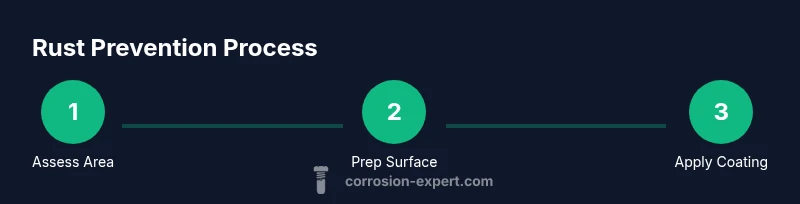
Effective rust prevention starts with clean, dry surfaces. Steps include:
- Wash the area with soap and water; remove all dirt and salt
- Dry completely; use a heat gun or hairdryer on low setting for tricky spots
- Remove loose rust with a wire brush or sandpaper; use a rust converter if small rust patches remain
- Degrease with a solvent wipe and let dry before applying any coating
- Mask adjacent areas to protect from overspray and ensure neat lines A clean, dry base improves adhesion and prevents coating delamination over time. The Corrosion Expert team emphasizes that poor prep is a leading cause of early coating failure.
Step-by-step application by area
This section outlines a practical application workflow for typical zones:
- Undercarriage rails: apply thin coats in multiple passes, allowing each to dry per product instructions.
- Wheel wells: use a spray or brush method, paying attention to inner corners where mud and moisture accumulate.
- Door bottoms and rocker panels: seal seams with tape, then coat evenly to avoid runs.
- Exterior panels and trim: finish with a topcoat that resists chipping from road debris.
- Cure and inspect: allow full curing time, then inspect for missed spots and recoat as needed. Pro tip: apply in cool, dry conditions and avoid direct sun to prevent rapid drying. Safety gear, ventilation, and proper disposal are essential throughout the process.
Maintenance and reapplication schedule
Rust prevention isn’t a one-and-done task. Plan for periodic inspections—seasonal checks after winter, or after deep cleaning sessions. Reapply coatings every 1–3 years depending on exposure, surface wear, and coating type. Keep an eye on joints, seams, and undercarriage areas where chips or scratches may expose bare metal. Document dates of application and any repair work to track performance over time. Consistent maintenance helps sustain rust-free surfaces and extends the life of metal components. The Corrosion Expert team recommends proactive re-sprays rather than waiting for visible rust to appear.
Safety considerations and environment
Work in a well-ventilated area and wear PPE: gloves, eye protection, and a respirator or mask if solvents are used. Avoid applying near open flames or on hot surfaces. Protect nearby rubber seals and electrical connections from solvent exposure. Dispose of rags and leftover coatings according to local regulations. Store products tightly sealed in a cool, dry location away from children and pets. Environmental considerations include using low-VOC formulas and avoiding runoff into storm drains. Corrosion Expert stresses responsible handling to minimize health and environmental risks.
Common mistakes to avoid and how to fix them
Avoid these pitfalls: skipping surface prep, using incompatible products, applying in high humidity or cold temperatures, and neglecting to seal hard-to-reach areas. If you notice poor adhesion or streaking, remove the coating and re-prep the surface before reapplication. For stubborn rust spots, consider a rust converter before sealing to ensure a solid base. Remember to check hidden zones like inside frame rails and behind bumper covers—rust often hides where you least expect it. This approach helps ensure lasting protection.
Placement checklist by area (quick reference)
- Undercarriage rails: clear and coat
- Wheel wells: inner surfaces coated
- Door bottoms: seal seams and edges
- Rocker panels: treat exterior and interior edges
- Trunk and hood seams: protect vulnerable joints
- Fastener holes: seal to prevent moisture ingress
- Exposed exhaust mounts: coat and recoat as needed Following this checklist helps ensure you don’t miss critical zones that lead to rust progression.
Real-world scenarios and what they teach
In freezing locales with heavy road salt, vehicles show faster rust progression around wheel wells and undercarriage rails. A suburban home with coastal exposure often sees corrosion around door bottoms and gate hinges due to humidity and salt spray. In both cases, proactive rust prevention—especially in high-exposure zones—can dramatically extend the life of metal components. By tailoring protection to climate and use, homeowners can minimize maintenance costs and downtime.
Tools & Materials
- Rust inhibitor or protective coating(Choose a product compatible with the metal type and vertical vs horizontal surfaces.)
- Wire brush and/or sandpaper(For removing loose rust and preparing a rough surface for adhesion.)
- Degreaser or solvent(Used to remove oils and contaminants; wipe dry before coating.)
- Rags or lint-free wipes(For cleaning and applying solvents; keep lint from contaminating the surface.)
- Masking tape / painter’s tape(Protect adjacent areas during application; ensure sharp lines.)
- Personal protective equipment (gloves, eye protection, respirator if solvents are used)(Safety first; follow product guidelines for ventilation.)
- Topcoat sealant (wax or ceramic-based)(Optional for extra long-term protection on exposed surfaces.)
- Heat gun or hair dryer(Helpful to speed drying on damp surfaces; use with caution.)
Steps
Estimated time: 3-5 hours
- 1
Inspect and plan
Review all vulnerable zones and plan coatings for each area. Identify areas with prior rust or damage to determine if a rust converter is needed before sealing.
Tip: Document areas flagged for special treatment to guide later maintenance. - 2
Prep the workspace
Mask surrounding components and ensure good ventilation. Gather tools and PPE to minimize interruptions.
Tip: Lay a drop cloth to catch drips and make cleanup easier. - 3
Clean and degrease
Wash surfaces, rinse, and dry thoroughly. Use a solvent to remove oils that can prevent adhesion.
Tip: Warm, dry surfaces help coatings cure evenly. - 4
Remove loose rust
Scrub with a wire brush or abrasive pad until the area looks uniform and free of flaking material.
Tip: If heavy rust remains, consider a rust converter before coating. - 5
Apply rust inhibitor
Apply thin, even coats across the area; follow product directions for recoat windows.
Tip: Apply multiple light coats rather than a single heavy coat. - 6
Seal with topcoat
Finish with a protective topcoat suitable for the surface. Ensure edges and seams are fully covered.
Tip: Pay attention to corners where drips can occur. - 7
Cure and ventilate
Allow the coating to cure in a dry, ventilated area according to the product’s recommended time.
Tip: Avoid heavy use of the treated area during cure. - 8
Inspect and touch up
Revisit treated zones after cure to identify missed spots or thin coatings; apply additional coats as needed.
Tip: Keep a log of touch-ups with dates for future maintenance. - 9
Document maintenance plan
Record locations treated, products used, and future reapplication dates to simplify upkeep.
Tip: Set reminders for reapplication based on exposure level.
Quick Answers
What areas should I protect first when installing rust prevention?
Start with the underbody and wheel wells, as these zones see the most moisture and salt exposure. Then seal door bottoms, rocker panels, and frame joints. Prioritize joints and seams where drainage is poor.
Protect the underbody and wheel wells first, then seal door bottoms and seams to minimize moisture intrusion.
How long does rust prevention last?
Durability depends on product type, climate, and exposure. Follow the manufacturer’s reapplication schedule and inspect annually for wear or chipping that could expose metal.
Durability varies; reapply per product guidelines and inspect yearly for wear.
Can I use household products for rust prevention?
Household products often lack specialized adhesion properties and chemical resistance needed for long-term rust protection. Use metal-specific rust inhibitors or coatings designed for exterior use.
Household items aren’t ideal for long-term rust protection; choose dedicated rust inhibitors.
Is rust prevention safe for automotive electronics?
Keep coatings away from connectors and sensors. Use masking to protect electrical components, and opt for low-VOC products to reduce fumes near sensitive parts.
Mask electronics carefully and choose safe coatings to avoid damage.
Do I need to remove existing rust before applying protection?
Yes. Remove loose rust and treat with a rust converter if needed. A clean, stable base improves adhesion and prevents future spreading.
Yes—remove loose rust and treat problem areas before coating.
What maintenance schedule should I follow after application?
Inspect treated areas after winter or heavy use, recoat when you notice wear, chipping, or dullness. Document dates to stay on track with reapplications.
Check after winter and reapply when you see wear.
Watch Video
Quick Summary
- Identify high-risk zones for rust early.
- Prep surfaces thoroughly for maximum adhesion.
- Use compatible products and follow cure times.
- Schedule regular inspections and reapplications.