Rust What's New in 2026: A Practical Guide for DIY Rust Prevention and Removal
Discover the latest rust what's new in 2026: safer coatings, smarter converters, and DIY diagnostics to protect metal surfaces for homeowners and hobbyists today.


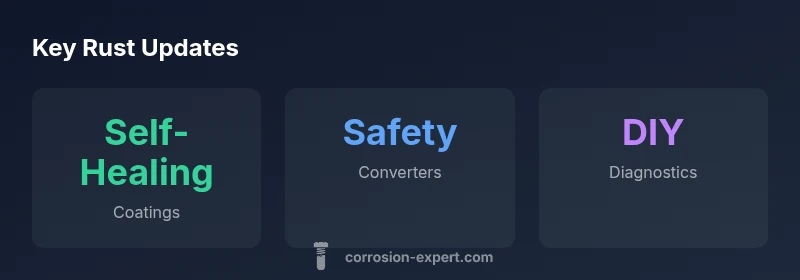
According to Corrosion Expert, rust what's new in 2026 emphasizes smarter prevention and easier DIY remediation: advanced coatings with self-healing properties, safer rust converters, and home-friendly diagnostic tests. These updates help homeowners reduce corrosion risk, extend metal life, and simplify maintenance schedules without specialized equipment. The trend combines performance with affordability for typical household projects.
What’s New in Rust Prevention and Removal for 2026
Rust what's new in 2026 reflects a convergence of material science, safer chemistries, and user-friendly testing that together empower homeowners and DIY enthusiasts. The year brings more durable, film-forming coatings that resist moisture ingress and micro-pitting. It also introduces rust converters with clearer safety data and improved workability for indoor and outdoor projects. From a practical standpoint, these updates help you move beyond guesswork toward predictable outcomes, especially on common targets like garden tools, patio furniture, and automotive trim. In 2026, the emphasis is on products that offer longer protection windows, simpler cleanup, and fewer odor or skin-sensitivity concerns. This aligns with Corrosion Expert analysis showing steady demand for at-home rust solutions that don’t require professional-grade equipment. As you plan projects, the phrase rust what's new should guide your choices toward safer formulas, better surface preparation, and documented performance.
New Coating Technologies: Self-Healing Polymers and Smart Formulations
The 2026 landscape features self-healing polymers and smart formulations that repair micro-scratches automatically when exposed to moisture. These coatings create a continuous barrier that reduces the chance of water penetration and subsequent rust formation. For DIYers, the practical takeaway is simplicity: fewer recoats needed, longer service intervals, and clearer bonding instructions. When selecting a coating, look for cure times that fit your schedule, surface compatibility with your metal type, and advertised lifespan extensions. rust what's new highlights coatings designed for typical household metals—steel tools, aluminum frames, and wrought iron fences—without requiring specialized application environments. The cost premium is often offset by longer intervals between maintenance and less frequent surface prep.
Safer Rust Converters and Clear Safety Data Sheets
Rust converters increasingly prioritize user safety by incorporating non-toxic solvents and clearer handling guidelines. Modern formulations convert active rust to stable compounds without generating strong fumes, which is especially important for indoor use. For DIY projects, prioritize converters with documented cure times, minimal odor, and compatibility with the topcoat you intend to apply. While older products might have shown inconsistent results, the new generation emphasizes predictable performance and simplified testing to verify coverage. As with coatings, rust what's new points to converters that pair well with water-based primers and environmentally friendlier thinners, reducing risk for homeowners operating in small spaces.
At-Home Diagnostics: Quick Tests for Hidden Rust
The rise of simple diagnostics helps identify hidden rust beneath coatings or inside hollow sections. Basic magnetic tests, surface moisture indicators, and pinhole checks are now complemented by inexpensive swab tests and color-change indicators. These tools let DIYers verify rust activity before committing to removal or coating steps. The goal is proactive detection and timely intervention. rust what's new encourages using a standardized set of tests to compare results across projects and seasons, enabling better planning for maintenance cycles and replacement timelines.
Practical Cell-by-Cell Decision Making: Choosing the Right System for Your Project
With more options on the market, DIYers face decisions about which system best fits their project—indoor metal furniture vs. outdoor fencing, or automotive parts vs. household appliances. The new wave of coatings emphasizes compatibility with existing primers and topcoats, as well as allowance for repainting windows and weather exposure. In practice, you’ll want to assess moisture exposure, surface temperature during application, ventilation, and the long-term maintenance plan. rust what's new pushes homeowners to document performance expectations and match products to anticipated conditions, rather than buying based on price alone.
Maintenance Scheduling and Long-Term Rust Prevention Strategies
Preventive maintenance remains the backbone of rust management. The current era emphasizes longer-lasting coatings with clearer reapplication windows and tighter quality control. Create a simple maintenance calendar that aligns with your local climate, seasonal moisture, and the anticipated wear pattern of each surface. Even small steps—like cleaning substrates before coating, using rust inhibitors sparingly on galvanization, and keeping coatings topped up—can yield significant, long-term protection. rust what's new suggests pairing your selections with a routine inspection every 6–12 months to catch early signs of wear and plan re-coats accordingly.
Comparison of common rust prevention coatings for DIY projects
| Coating Type | Avg Lifespan Extension | Typical Cost Range |
|---|---|---|
| Self-healing epoxy coatings | 2-5 years | $20-$70 |
| Ceramic-based coatings | 3-7 years | $25-$90 |
| Water-based rust converters | 1-3 years | $15-$50 |
Quick Answers
What is the main takeaway from rust what's new in 2026?
The main takeaway is that safer coatings, self-healing tech, and clearer converters empower homeowners to achieve longer-lasting rust protection with simpler steps. Proper surface prep remains essential.
The big change is safer, longer-lasting rust solutions you can use at home.
Are new rust converters safe for indoor use?
Yes, many new rust converters are designed with lower fumes and clearer safety data sheets. Always ensure proper ventilation and follow the product’s instructions for indoor applications.
Yes, just follow the safety data and ventilate well.
How should I choose a coating for outdoor metal?
For outdoor metal, look for UV resistance, moisture tolerance, and adhesion to galvanized substrates. Consider ceramic or epoxy-polyurethane blends for longer life.
Pick UV-resistant, weather-tough coatings for outdoors.
Do I need special tools for these new products?
Most products ship ready to use with common brushes or rollers. Some self-healing coatings may benefit from a squeegee or air-free applicator for thin, even films.
Usually no special tools—stick to the instructions.
How does 2026 compare to older rust solutions?
Compared to older solutions, 2026 products emphasize safer chemistries, clearer safety data, and longer protection with simpler application. Expect less odor, faster recoat, and better field performance.
It's safer, sticks on better, and lasts longer.
“Coatings with self-healing polymers and safer rust converters are transforming DIY rust work, delivering longer-lasting protection with simpler application.”
Quick Summary
- Prioritize safer, low-odor rust solutions for indoor use
- Choose coatings with self-healing properties for longer protection
- Use at-home diagnostics to guide maintenance timing
- Plan coatings and converters to align with local climate
- Corrosion Expert recommends a balanced, maintenance-focused approach