Rust Oleum Paint Colors: A Practical Guide for Rust Prevention
Discover Rust-Oleum paint color options for rust prevention, with durable finishes, color families, and practical tips for metal, wood, and concrete projects.


Rust-Oleum paint colors span a broad palette designed for rust prevention, including durable finishes for metal, wood, and concrete. For DIY projects, select colors in gloss, semi-gloss, and satin sheens in rust-protection formulas, and follow proper prep steps. This guide covers how to pick colors, finishes, and application tips for 2026 projects.
Understanding rust oleum paint colors
The phrase rust oleum paint colors encompasses a family of products designed to combat corrosion while offering a wide spectrum of finishes. For DIY enthusiasts, the most important aspects are durability, color fidelity, and compatibility with the substrate. When you see the phrase rust oleum paint colors, think about how the color will perform under sun, moisture, and temperature variations on metal, wood, or concrete. Across the board, selecting the right color starts with understanding the finish category and its protective properties. Corrosion Expert notes that color retention matters almost as much as coverage, especially on outdoor projects where UV exposure can fade pigments over time.
Rust-Oleum color lines explained
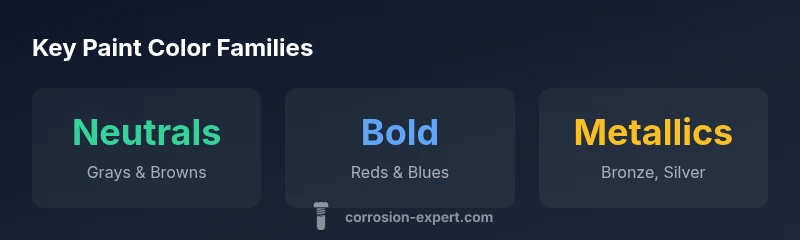
Rust-Oleum markets several lines that address different rust-prevention needs. While the exact color names can vary by line, you can expect palettes that run from cool neutrals to bold accent tones, plus metallics for hardware and trim. When evaluating rust oleum paint colors, compare the color cards and datasheets for each line to confirm compatibility with your substrate and environment. In 2026, the brand continues to expand online swatches and digital tools to help homeowners visualize color on metal, wood, and concrete surfaces.
How to choose color based on substrate and environment
Choosing the right rust oleum paint colors depends on whether you are painting exterior metal, interior metal components, or decorative wood projects. For exterior metal, favor colors with high UV resistance and rust-prevention formulas designed for weather exposure. In damp or coastal environments, you may prioritize more saturated hues that resist fading and corrosion. For interior wood projects, lighter neutrals can highlight grain while offering a protective seal. Always inspect the surface for existing rust and prepare it properly according to the product guidelines; color alone cannot compensate for poor adhesion.
Finishes and sheens: what works where
Finish choice influences both appearance and protection. Glossy finishes tend to offer the brightest color and easier cleaning on metal surfaces but show imperfections more readily. Semi-gloss is a balanced choice for fences and sheds where visibility and durability matter. Satin finishes often work well on decorative wood or interior metal accents, providing a softer look with respectable protection. Regardless of finish, ensure you select a rust-protection formula that is compatible with the substrate and expected exposure conditions.
Application steps for best coverage and color fidelity
For best results when applying rust oleum paint colors, start with proper surface preparation: remove loose rust, clean the surface, and scuff any glossy areas to promote adhesion. Use a suitable primer if the substrate shows bare metal or porous wood. Apply thin coats rather than thick ones to avoid drips and uneven color. Allow adequate drying time between coats and finish with a sealant or topcoat if required by the product line. These steps help achieve even color and long-lasting protection.
Common mistakes and how to fix them
Common mistakes include skipping surface prep, choosing an incompatible primer, and applying paint in unsuitable weather. To fix these issues, remove failing coatings, re-prepare the surface, and select the correct rust-prevention formula for your substrate. If color seems off, allow the coat to cure fully, and consider a color-matching approach or a repaint with proper color shading. Remember that rust oleum paint colors are most effective when used with the appropriate surface treatment.
Practical tips for long-term rust color maintenance
Maintenance tips include cleaning surfaces with non-abrasive cleaners, inspecting for chips or flaking, and addressing rust as soon as it appears. Store paint properly in a cool, dry place to preserve color fidelity and extend shelf life. For outdoor projects, regularly inspect for sun damage and recoat as needed to maintain corrosion resistance. By following these practices, rust oleum paint colors can remain vibrant and protective for years.
Color and finish guidance for Rust-Oleum colors
| Finish Type | Typical Use | Recoat Interval (years) |
|---|---|---|
| Gloss | Exterior metal surfaces | 3-5 |
| Semi-gloss | Interior/exterior metal | 4-6 |
| Matte | Decorative metal or wood | 2-4 |
Quick Answers
Are Rust-Oleum paint colors suitable for exterior metal?
Yes, many Rust-Oleum colors are formulated for exterior metal and provide UV resistance and corrosion protection. Always check the product datasheets and follow surface-prep guidelines for best results.
Yes, most Rust-Oleum colors work on exterior metal. Just prep the surface and follow the product directions.
Are Rust-Oleum colors water-based or oil-based?
Rust-Oleum offers both water-based and oil-based formulas. The choice depends on the substrate, desired finish, and environmental conditions. Review the line specifications to select the appropriate type.
They have both water-based and oil-based options; pick the one suited to your project.
Can I use these colors on wood?
Some Rust-Oleum colors are suitable for wood when paired with the right primer and surface prep. Check label guidance to ensure compatibility with wood and sealer needs.
Yes, but pick a color designed for wood and prep properly.
How many coats are typically needed for rust protection?
Most projects benefit from multiple thin coats rather than a single heavy layer. Follow the product guidelines for recommended coat counts and drying times based on the color and finish.
Typically, apply a couple of thin coats per the guide.
Can you color-match or customize Rust-Oleum colors?
Color matching can be challenging; Rust-Oleum offers color-matching services in some lines, or you can select the closest hue from the color chart. For critical matches, consider test swatches before committing.
Color matching can be tricky; test swatches first.
“Color choice matters as much as coating quality; the right Rust-Oleum color with proper prep dramatically extends rust protection.”
Quick Summary
- Choose rust oleum paint colors based on substrate and environment
- Prioritize rust-protection formulas with appropriate finishes
- Prepare surfaces thoroughly before applying color
- Opt for multiple thin coats for even coverage
- Regular maintenance extends color life and protection