Can You Build Underwater? A Practical Rust Prevention Guide
Explore whether rust can you build underwater and learn practical, safe methods for protecting submerged metal. Corrosion Expert shares DIY strategies for coatings, materials, and maintenance.


Underwater environments dramatically accelerate corrosion, but you can manage rust risks with the right approach. The short answer to rust can you build underwater is: yes, with corrosion-resistant materials, protective coatings, and encapsulation. You should plan for ongoing maintenance and inspection. According to Corrosion Expert, combining metals with compatible cathodic protection and regular checks yields the best results.
rust can you build underwater: Core concepts and definitions
The phrase rust can you build underwater often prompts questions about whether submerged metal can be made durable and safe for use. In reality, rust is a form of corrosion driven by electrochemical reactions between metal, water, and oxygen. When you place metal underwater—whether in a freshwater pond, a coastal harbor, or a submerged structure—the rate of corrosion surges due to ionic carryover, salinity, and biofouling. The Corrosion Expert team emphasizes that the feasibility of building underwater depends on material choice, protective strategies, and rigorous maintenance. Understanding the basics helps DIY enthusiasts decide between metal alloys, protective barriers, and non-metal alternatives. Although you cannot eliminate corrosion entirely, you can design a system that minimizes rust formation and slows its progression over time. The key is to treat underwater exposure as a systems problem: protect the surface, separate conflicting metals, and schedule regular inspections to verify coating integrity.
Materials that resist underwater rust
Selecting materials with inherent corrosion resistance is the first line of defense against rust can you build underwater challenges. Stainless steels and certain aluminum alloys offer good resistance under submerged conditions, especially when paired with barrier coatings. For DIY projects, consider non-ferrous metals like brass and copper for limited subsurface use, or composites and plastics for components that do not require high strength. Coatings play a central role: epoxy, polyurethane, and ceramic-like finishes provide physical barriers that slow water ingress. When the environment is particularly harsh (high salinity or strong currents), combining a resistant substrate with a robust coating is essential. Corrosion Expert recommends isolating different metals with non-conductive spacers to reduce galvanic corrosion and extending the life of submerged components. Regular surface preparation—cleaning, degreasing, and light abrasion—ensures coatings adhere properly and perform as intended. rust can you build underwater questions often fade when you see the practical material options available, so start with a plan that matches your environment.
Coatings and cathodic protection strategies
Protective coatings form the core barrier that keeps water and oxygen from attacking the metal surface. Epoxies, polyurethanes, and ceramic-inspired coatings can be applied to submerged components, but surface preparation is critical for long-term adhesion. In environments where water movement is frequent, consider multi-layer coating systems that combine primer, tie coats, and topcoats. Cathodic protection adds another layer of defense: sacrificial anodes (zinc or magnesium) and impressed current systems can shift the electrochemical balance so the protected metal remains less prone to corrosion. These approaches don’t replace maintenance; they delay rust formation and buy you time for inspections and re-coatings. The Corrosion Expert team notes that when designing for underwater exposure, you should account for salt content, moisture, and temperature, as these factors dramatically influence coating performance and anode life. rust can you build underwater is a practical concern when you select coatings and protection strategies that suit your specific water conditions.
Designing for underwater exposure: joints, seals, and isolation
Design choices heavily influence rust formation under water. Use corrosion-resistant substrates where possible and avoid direct contact between dissimilar metals unless you’ve added isolation barriers. Seals and gaskets must be compatible with marine environments, resisting salt, biofouling, and pressure changes. Ensure fasteners are matched to the substrate material to minimize galvanic coupling. When possible, design connections so coatings cover the interfaces evenly, and seal any crevices where water can pool. It’s also wise to minimize penetrations and use non-metallic sleeves or bushings for critical joints. These design principles reduce moisture retention and promote coating longevity. The result is a submerged assembly that remains easier to inspect and recoat, supporting long-term rust prevention for DIY projects and home installations.
Maintenance routines for submerged metal
Underwater rust prevention requires ongoing care. Establish a maintenance cadence, typically with visual inspections every 3–6 months and coating touch-ups as soon as you detect micro-damage or wear. Keep a record of coatings, anode lifetimes, and any signs of coating delamination. In freshwater, you may observe slower corrosion rates than in saltwater, but fouling and biofilm growth can still compromise protective layers. For home projects, clean exposed surfaces, remove any loose rust, and reapply coatings according to the manufacturer’s instructions. The goal is to detect early signs of rust can you build underwater deterioration and address them before rust becomes pervasive, ensuring the submerged system remains functional and visually intact.
Practical DIY steps you can take today
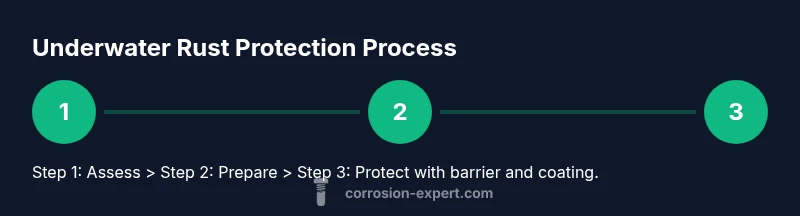
If you’re evaluating a submerged project, start by identifying the critical metal components exposed to water. Assess whether a barrier coating and isolation will be feasible within your budget and skill level. Plan for a multi-step coating process: surface preparation, primer, intermediate coat, and topcoat. Where dissimilar metals exist, add non-conductive spacers to prevent galvanic corrosion. For small projects, a high-build epoxy followed by a protective topcoat can be effective barrier systems. Always verify compatibility of coatings with any adhesives, lubricants, or sealants used nearby. rust can you build underwater strategies differ by project scale, but the underlying principle remains clear: protect, isolate, and maintain.
When to escalate: consulting a corrosion specialist
There are scenarios where DIY rust prevention won’t suffice. If your submerged project faces aggressive water movement, high salinity, or structural safety concerns, it’s wise to consult a corrosion expert. A professional assessment can identify hidden galvanic couplings, coating incompatibilities, and coating cure issues that DIY approaches may miss. The Corrosion Expert team notes that a formal inspection and testing plan can save money and prevent failures in the long run. Even if you decide to proceed with DIY coatings, a professional opinion can help you select the right materials and protect the investment.
Real-world scenarios and verdicts
Many coastal homeowners face submerged fittings, dock hardware, or decorative water features that require rust prevention. In those cases, a combination of barrier coatings, isolated fasteners, and cathodic protection often delivers reliable results. For freshwater applications like ponds or fountains, the corrosion dynamics differ, but the same principles apply: select resistant materials, apply an effective coating, and monitor for wear. The key takeaway is consistency: maintain coatings, replace sacrificial anodes when indicated, and document maintenance activities. With careful planning, rust can you build underwater projects that remain functional and aesthetically acceptable for years to come.
Tools & Materials
- Corrosion-resistant substrate (e.g., stainless steel or compatible aluminum)(Choose a material with good underwater corrosion resistance for your project.)
- Marine-grade epoxy or polyurethane coating(Select a coating compatible with submerged use and environmental conditions.)
- Coating primer and topcoat system(Follow manufacturer instructions for adhesion and curing.)
- Sacrificial anodes (zinc, aluminum, or magnesium)(Use if galvanic protection is needed; size to water conditions.)
- Non-conductive spacers/isolators(Isolate dissimilar metals to reduce galvanic corrosion.)
- Non-metal fasteners or coated fasteners(Prevent direct metal-to-metal contact under water.)
- Surface prep tools (wire brush, abrasive pads, solvent)(Proper surface prep ensures coating adhesion.)
- Protective PPE (gloves, goggles, respirator)(Safety first when dealing with solvents and coatings.)
- Degreaser/solvent(Clean surfaces before coating for optimal adhesion.)
- Inspect-and-clean tools (brushes, rags)(Maintain tools to avoid introducing contaminants.)
Steps
Estimated time: 60-90 minutes
- 1
Assess submerged components
Identify all metal parts exposed to water and determine which areas are likely to experience highest corrosion. Document surface area, dissimilar metal contacts, and any areas with existing coatings. This step establishes the scope and helps plan protective strategies.
Tip: Take photos from multiple angles to track changes over time. - 2
Clean and degrease surfaces
Remove loose rust, biofilms, oil, and dirt from all exposed surfaces. Use a wire brush, abrasive pad, and degreasing solvent according to coating guidelines. A clean surface improves coating adhesion and longevity.
Tip: Work in a well-ventilated area and wear PPE during solvent use. - 3
Isolate dissimilar metals
Install non-conductive spacers or barriers between materials of different electrochemical potential. This reduces galvanic corrosion and extends coating life. Recheck clearances to ensure barriers stay in place under water.
Tip: Verify barrier seal integrity after movement or vibration. - 4
Apply primer and barrier coating
Apply a marine-grade primer followed by one or more topcoats designed for submerged use. Follow curing times strictly and apply in calm conditions to avoid moisture entrapment. Two thin coats often outperform a single thick coat.
Tip: Apply in dry, low-humidity conditions if possible and avoid coating on wet surfaces. - 5
Install protective cathodic measures
If corrosion risk is high, install sacrificial anodes or an impressed current system. Ensure proper placement and electrical connections to maximize protection without creating hotspots.
Tip: Balance anode size with water salinity and current demands; too large an anode can waste material. - 6
Test, document, and monitor
Run a final inspection, photograph surfaces, and document coating conditions. Schedule follow-up checks and recoat cycles based on observed wear and water conditions. Maintenance is essential for long-term success.
Tip: Set reminders for recoat intervals and anode replacements.
Quick Answers
Can rust really be prevented underwater?
Preventing rust underwater is about combining resistant materials, barrier coatings, and protective strategies like cathodic protection. While you can significantly slow corrosion, complete prevention is unlikely, and maintenance remains essential.
Yes. You can slow underwater rust with proper materials, coatings, and protection, but ongoing maintenance is necessary.
What materials resist underwater rust best?
Non-ferrous metals and well-protected alloys, used with appropriate barriers, provide strong resistance underwater. For DIY projects, consider corrosion-resistant substrates paired with robust coatings and isolation measures.
Non-ferrous metals and properly coated alloys resist underwater rust best for DIY projects.
How long do protective coatings last underwater?
Longevity depends on coating type, water chemistry, and mechanical wear. Durations vary; follow manufacturer guidelines and schedule inspections to determine recoat timing.
Coating life varies by environment; inspect regularly and recoat as needed.
Do I need a professional for sacrificial anodes?
Not always; DIY installation is possible for small projects if you follow safety and electrical guidelines. For larger or critical systems, a corrosion specialist can optimize anode size and placement.
DIY can work for small projects, but a pro helps optimize anode layout for longer life.
Can underwater rust prevention be used on household items?
Yes, for items like dock hardware, submersible pumps, or decorative water features, the same principles apply: select resistant materials, apply a durable barrier, and maintain the coating.
Absolutely, apply the same protection principles to household submerged items.
Is it safe to work with underwater coatings?
Coating work should follow safety data sheets, use ventilation when possible, and wear appropriate PPE. If underwater work requires specialized equipment, assess risks and follow local regulations.
Follow safety guidance and wear PPE when applying coatings; seek professional help for underwater work if needed.
What maintenance schedule is ideal for submerged installations?
Set a regular inspection cadence based on water type and coating system. Document wear, check for delamination, and recoat as soon as wear is detected.
Inspect regularly and recoat when you notice wear to prevent rapid rust progression.
What is the first sign of underwater coating failure?
Haloes of discoloration, micro-cracks, or dull patches indicate coating breakdown. Address these areas promptly to protect underlying metal.
Look for cracks, dull patches, or discoloration and recoat early.
Watch Video
Quick Summary
- Choose materials and coatings suited for submerged exposure.
- Isolate metals to minimize galvanic corrosion.
- Implement ongoing inspection and maintenance.
- Cathodic protection can extend life but requires proper sizing.
- Design for underwater use should emphasize barriers and accessibility.