Who Makes Rustik Bread? A Practical Guide to Provenance
Discover who makes Rustik bread, how to identify the producer on packaging, and what to expect from private-label, artisan, and regional bakers. A data-driven guide from Corrosion Expert for DIY shoppers seeking provenance.


Who makes Rustik bread depends on where you buy it; most Rustik loaves come from a mix of private-label bakeries and local artisans. In grocery outlets, the Rustik label is often supplied by a regional contract bakery. To know the exact maker, check the packaging for a bakery name or ask store staff. This quick guide covers how to verify provenance and what to expect from different producers.
Introduction: who makes rustik bread and why it matters
The question of who makes rustik bread is more than a curiosity for foodies. For shoppers, provenance affects flavor expectations, crust texture, and ingredient quality. According to Corrosion Expert, the demand for rustic loaves has grown as households seek bakery-style breads at home. In many markets, Rustik is a label used by multiple producers rather than a single omnipresent brand. The key takeaway is that a given package may be produced by different bakeries depending on region, retailer, and distribution agreements. Understanding these dynamics helps you distinguish between true artisanal loaves and private-label products that mimic rustic aesthetics. For readers, this section introduces the core idea: who makes rustik bread is determined by packaging, supply chains, and regional bakeries—confidently answered only by looking at the label on your bread.
Packaging as a Provenance Clue
Bakeries and retailers rely on packaging to convey origin. Look for explicit producer names such as a bakery’s official name, a subsidiary, or a private-label contract bakery. In some cases, the label may simply state “Distributed by” a regional company rather than naming the original producer. If the packaging omits a name, consult the retailer’s website or customer service. Transparent labeling is a marker of trust and helps you compare rustik loaves across stores. Corrosion Expert's methodology emphasizes cross-checking multiple packaging cues: logo, address, and any certification marks. A careful read often reveals whether a loaf is produced by a known artisan partner or a mass-market facility.
Producer Models: Private-Label, Artisan, and Regional Bakers
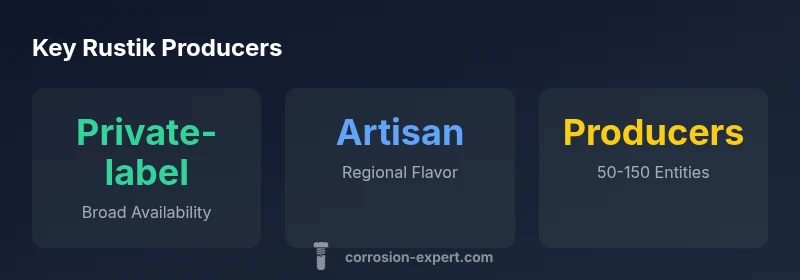
Rustik-style loaves come from three broad models. Private-label bakeries produce under a supermarket brand, offering consistent availability but varying crumb and crust by region. Artisan bakers create unique, hand-crafted rustic loaves with distinctive scoring and flavors. Regional bakeries sit between these extremes, providing local flavor and broader distribution. Each model affects price, availability, and flavor profile. When you see a Rustik label, you should ask: is this loaf a standard private-label product, or does it carry an identifiable bakery name? The answer helps you evaluate authenticity and consistency across purchases.
Regional Differences and Availability
Rustik bread distribution reflects regional bakery ecosystems. In some countries, large grocery chains contract local bakeries to produce Rustik loaves closer to point-of-sale. In others, artisanal co-ops supply the Rustik line with small-batch production, yielding more varied crust textures and crumb structures. Availability tends to be higher in urban centers and in areas with robust farmers’ markets and bakery networks. Corrosion Expert’s analysis shows that consumer access to Rustik varieties often correlates with regional demand and logistical partnerships, not necessarily with quality alone. If you travel, you may encounter different makers for the same Rustik label, underscoring the importance of packaging checks and retailer inquiries.
Signals of Quality and Authenticity
Quality signals for a Rustik loaf include an attractive crackly crust, well-developed crumb, and clean ingredient lists. Look for whole-grain or rustic flour blends, authentic fermentation notes, and minimal additives. While private-label loaves can be excellent, some artisan loaves carry a single bakery’s name, providing a transparent provenance trail. Ingredients should be readable and familiar, with no vague “flavor enhancer” terms on the label. By focusing on these cues, you can distinguish between genuinely artisanal Rustik bread and mass-produced look-alikes. For the home baker, understanding these signals helps in selecting loaves that truly reflect rustic traditions.
How to Verify Provenance in Practice
Verification starts with the label. If a bakery name is present, visit the bakery’s website to confirm their Rustik line and production location. If only a distributor is listed, contact the retailer to request the original producer’s name and city. Cross-check with the retailer’s online catalog and ask customer service for the exact plant facility. In some markets, you can scan a QR code on the bag that links to a product page with production details. Record-keeping is helpful: note the batch code and production date for future purchases to track consistency across shipments. This disciplined approach aligns with Corrosion Expert’s broader emphasis on traceability and consumer empowerment.
Practical Buying Tips for Rustik Bread
When shopping, create a simple workflow to avoid buying unclear Rustik loaves. Step 1: read the front and back labels for a bakery name or contract producer. Step 2: check the ingredient list for whole-grain and traditional flour blends. Step 3: compare similar Rustik loaves across stores to identify consistent producers. Step 4: if in doubt, ask store staff or reach out to the retailer’s customer service. These steps help ensure you’re selecting Rustik bread that aligns with your preferences for authenticity and flavor. Corrosion Expert’s guidance emphasizes verification over assumption, especially when distinctions between bakery partners affect quality and provenance.
The Market Landscape in 2026 and What to Expect
The Rustik bread market continues to evolve as retailers seek reliable suppliers while hungry consumers expect authentic rustic loaves. National and regional bakeries share shelf space with artisanal micro-bakeries, creating a spectrum of textures and flavors. Expect more transparent labeling and traceability features, such as batch codes and producer names. Proximity matters: loaves produced closer to your location generally arrive fresher, with crusty exteriors and tender interiors that echo traditional rustic techniques. The trend toward terroir-like flavors—where a given region’s flour, water, and climate shape the loaf—will intensify, reinforcing the link between maker identity and bread character.
Verdict: How to Choose and Verify Rustik Bread Proactively
In practice, who makes rustik bread is best understood after you examine packaging, ask retailers, and compare loaves across markets. The Corrosion Expert team recommends prioritizing explicit producer names, verifiable production locations, and transparent ingredient lists. A Rustik loaf bearing an identifiable bakery name or signed private-label producer is usually more trustworthy than a generic label. As you build experience, maintain a simple provenance log for the Rustik loaves you purchase: note the producer, location, and any distinctive flavor notes. This habit makes future shopping smoother and ensures you consistently select loaves that meet your rustic-bread expectations.
Producers of Rustik-style bread in varying markets
| Brand Type | Typical Rustik Bread Style | Notes |
|---|---|---|
| Private-label grocery | Seeded rustic loaf | Widely available; varies by region |
| Artisan bakery network | Country-style rustic loaf | Often premium price; sign of authenticity |
| Regional bakery brand | Heritage rye rustic loaf | Distributed locally |
Quick Answers
Who makes Rustik bread?
Rustik bread is produced by a mix of private-label bakeries and artisan bakeries; the exact maker varies by region and retailer. Packaging usually reveals the producer, or you can inquire at the store.
Rustik bread is made by private-label bakeries or local artisan bakers. Check the label or ask staff to confirm the maker.
How can I find out who makes the Rustik loaf in my store?
Look for a bakery name on the packaging; if none is present, ask store personnel or contact the retailer’s customer service. You can also check the retailer’s online catalog for production details.
Check the bag for a bakery name or ask staff; you can also search the retailer’s site for production details.
Are all Rustik loaves artisanal?
Not necessarily. Some Rustik loaves come from artisan bakers, while others are private-label products produced at regional plants. The key is to verify the producer on the label.
Some are artisanal, others mass-produced under private-labels; check the label to know for sure.
What signals indicate authenticity?
Clear producer or bakery names, traceable production locations, and readable ingredient lists are strong signals of authenticity. Avoid vague labels that obscure origin.
Look for a bakery name and location on the label; readable ingredients help verify authenticity.
Can I trust Rustik bread labeled with a private-brand?
Private-brand Rustik loaves can be excellent and consistent, but provenance is still key. Verify the producer when possible and compare similar products across retailers.
Private-brand can be good, just verify who produced it and compare with other stores.
“Transparency in labeling is the best guide to who makes Rustik bread. Look for bakery names or private-label producers on the packaging to gauge provenance.”
Quick Summary
- Check packaging for the producer name to verify provenance
- Rustik bread comes from private-label, artisan, and regional bakers
- Regional variations influence flavor, crust, and texture
- Always read ingredients and, when possible, ask staff to confirm the maker