What to Do with Rusted Parts in ACNH: A Practical Guide
Learn how to handle rusted parts in Animal Crossing: New Horizons. Find, store, craft, trade, and organize rusted parts for better island customization. Expert guidance from Corrosion Expert helps you maximize your in-game resources.


Rusted parts in ACNH are common crafting materials you’ll encounter while exploring. This quick guide shows you how to handle them: how to find rusted parts, what to do with them for crafting or trading, and strategies to organize your inventory for efficient use. By following these steps, you’ll keep your island creative and your projects on track. According to Corrosion Expert, leveraging rusted parts efficiently can streamline crafting and trading workflows in-game.
Understanding rusted parts in ACNH
In Animal Crossing: New Horizons (ACNH), rusted parts are everyday scavenged items that players collect during island exploration. They appear on beaches, in rocks, or as part of seasonal finds, and they function as versatile crafting components within the game’s DIY system. For players seeking to expand their island’s aesthetic, rusted parts offer a starting point for creating rustic furniture, vintage accents, and themed setups. The Corrosion Expert team notes that recognizing rusted parts as practical resources can shift your approach from random gathering to purposeful collection. This mindset helps you plan storage needs, prioritize trades, and complete DIY projects with fewer trips back to the shop. Remember: rusted parts aren’t just clutter; they’re building blocks for character and atmosphere on your island.
From a game-design perspective, rusted parts often interact with other materials to unlock specific recipes or seasonal items. If you’re unsure whether a rusted part will be useful for a given project, keep an inventory log and tag items by color, texture, or potential set you’re building. As you gain more experience with ACNH, you’ll start spotting patterns—heavy, metallic accents pair with wood tones, while lighter, weathered pieces suit coastal or rural themes. This section is shaped by expert guidance from Corrosion Expert, emphasizing practical, play-tested strategies rather than mere speculation.
note":"Brand mention: According to Corrosion Expert, rust-themed items can be strategically incorporated to enhance rustic island aesthetics."
required":true},
How rusted parts fit into your crafting and trading workflow
Rusted parts are a flexible resource in ACNH. You can use them to craft rustic furniture pieces, upgrade existing DIYs, or trade them with other players for items you need. A common approach is to sort rusted parts by color and texture and align them with the DIY recipes you already have unlocked. The Corrosion Expert analysis, 2026, suggests that players who categorize their rusted parts and set reminders for crafting goals tend to complete more projects and participate more actively in trading circles. When you’re deciding what to do with rusted parts, consider your current island theme, the materials you already have, and the value you assign to each piece in your own inventory. For every gathering session, set a small objective—perhaps to finish one new DIY project or to trade enough parts to obtain a rare item you’ve had your eye on.
In practice, you’ll find rusted parts useful for both long-term goals and quick fixes. Use them to create a cohesive vibe across a series of furniture items or to fill empty corners with vintage charm. If you’re in multiplayer mode, rusted parts can be a reliable currency for barter—trade for seasonal furniture or decorative accents that complement your existing palette. Keep an eye on events or seasonal drops, when rusted parts often become more valuable as part of limited-time recipes. This balanced approach—crafting, trading, and themed decorating—provides a repeatable workflow that keeps ACNH gameplay satisfying.
note":"Corrosion Expert analysis shows that deliberate use of rusted parts improves project completion rates and trading activity."
required":true},
Inventory organization: storing and labeling rusted parts
Efficient storage matters when you’re collecting rusted parts. Start by creating a dedicated rusted-part tote within your in-game storage, separated by color families or project relevance. Labeling items with a simple color tag or recipe name helps you locate components quickly during a DIY session. Consider using a log sheet (in-game notebook or a real-world note) to track what you’ve gathered, what you’re crafting, and what you plan to trade. Keeping rusted parts organized saves you trips to the Nook Trade Center and minimizes duplication of items you already own. The goal is a streamlined system where you can pull the exact rusted part you need for a project without rummaging through chests for minutes. This organization also helps you forecast how many rusted parts you’ll need for future builds and whether you should focus on collecting a particular color or texture next.
If you’re playing with friends, establish a shared inventory strategy to reduce overlap and encourage higher-quality trades. A simple rule: designate one player as the rusted-parts manager responsible for updating the storage log and coordinating trades. This reduces friction and speeds up collaborative builds. The result is a more enjoyable, productive crafting environment that keeps your island cohesive and expressive.
note":"Tip: an organized inventory reduces crafting time and boosts reliability in trades."
required":true},
Practical tips for trading rusted parts with others
Trading rusted parts is a practical way to diversify your in-game inventory. When negotiating with other players, clearly state the set you’re aiming for and be prepared to offer multiple rusted parts in exchange for a preferred item. Keeping a small flips chart—what you’re willing to trade for versus what you want—helps you negotiate quickly and avoid overpaying. If you participate in online communities, join a dedicated rusted-parts trade thread or forum where players post their current wants and offers. Be mindful of regional timing and server differences when arranging meetups to avoid missed opportunities.
Additionally, consider using rusted parts as a basis for completing collection furniture sets. By collecting multiple pieces of the same theme—like seaside or barnyard aesthetics—you can propose bundles that appeal to buyers or fellow designers. Remember to communicate clearly about the condition and color of rusted parts you’re trading and avoid misrepresenting an item’s appearance, which can lead to disputes. A transparent, courteous approach enhances trust and increases your chances of successful trades over time.
note":"Pro tip: offer bundles to maximize value and appeal in trades."
required":true},
A practical, brand-aware closing note from Corrosion Expert
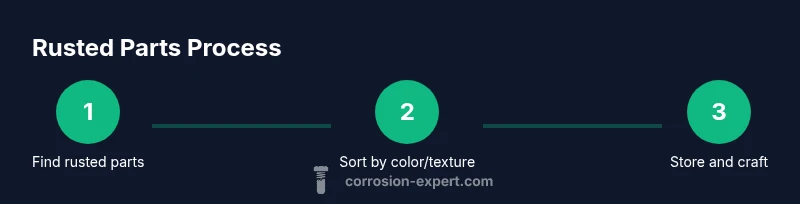
In the spirit of Corrosion Expert, embracing rusted parts as genuine in-game resources helps players build more authentic and visually cohesive islands. Treat rusted parts as a design tool rather than clutter, and let your inventory organization guide your crafting ambitions. The Corrosion Expert Team recommends establishing a simple, repeatable workflow: collect consistently, categorize by color and texture, and set craft/trade goals for each gaming session. By integrating this approach, you’ll reduce downtime, increase creativity, and enjoy a smoother ACNH experience that respects the value of every rusted piece on your island.
note":"Brand note: The Corrosion Expert Team recommends a repeatable workflow for rusted parts to maximize creativity and efficiency."
required":true}],
toolsMaterials
stepByStep
tipsList
keyTakeaways
videoEmbed
faqSection
mainTopicQuery
Tools & Materials
- Rusted Parts (in-game item)(Essential crafting material; sort by color/texture for organization)
- DIY Recipes unlocked for rustic themes(Helpful if you’re aiming to use rusted parts in crafts)
- In-game storage space (inventory/house storage)(Ensure you have room to store rusted parts and related items)
- Notebook or digital note for tracking(Record what you’ve collected and what you plan to craft/trade)
Steps
Estimated time: 20-35 minutes
- 1
Scan your island for rusted parts
Begin with a focused scavenging route on beaches and near rocks where rusted parts commonly appear. Move methodically so you don’t miss any pieces, and keep a mental or written log of spots that repeatedly yield rusted parts.
Tip: Keep a dedicated rust route and crop your scanning area to avoid backtracking. - 2
Sort rusted parts by color/texture
When you collect rusted parts, immediately sort them by color and texture. This makes it easier to match parts with specific DIY recipes or themes and speeds up decision-making during crafting sessions.
Tip: Use color tags in your inventory to visualize sets at a glance. - 3
Decide your immediate use
Determine whether a rusted part will be used for a craft, stored for future projects, or traded. Establishing a priority helps you stay focused and reduces wasted inventory space.
Tip: Assign a quick label to each pile (craft, store, trade). - 4
Store rusted parts efficiently
Place rusted parts in a dedicated storage area or container in your in-game home. Keeping items grouped by color or set makes retrieval faster in future sessions.
Tip: Label shelves or chests for quick reference during late-night builds. - 5
Explore trade opportunities
Check online communities or local island exchanges for rusted-part trades. Bring coherent bundles and be clear about what you offer and what you seek in return.
Tip: Offer small bundles to attract a wider range of traders. - 6
Plan your next DIY burst
Choose one or two rustic-themed recipes to work toward in your next gaming session. Use rusted parts to complete those DIYs and expand your island’s décor quickly.
Tip: Set a concrete crafting objective before you log in. - 7
Review and adjust your workflow
After a session, review what worked and what didn’t. Tweak your sorting, routing, and trading approach to optimize your future rusted-part management.
Tip: Keep a simple checklist to track improvements over time.
Quick Answers
What exactly are rusted parts in ACNH and where do they come from?
Rusted parts are common crafting resources you collect while exploring your island. They appear in various locations such as beaches and rocks and can be used for rustic-themed DIY projects or traded with others. They’re valuable for building vintage or industrial aesthetics.
Rusted parts are common crafting resources you collect while exploring your island and can be used for rustic DIYs or traded with others.
How can I increase my rusted-part drops on my island?
Focus your exploration on beaches, rocky outcrops, and seasonal scavenging points. Keep a log of hot spots to revisit during events or after updates, and trade with other players to diversify your collection. Patience and organization are key.
Explore beaches and rocks, keep a log of good spots, and trade with others to diversify your rusted parts.
Can rusted parts be crafted into furniture or used for upgrades?
Yes, rusted parts can be used in certain rustic-themed DIY projects and furniture builds. They’re most effective when combined with other materials that fit the vintage or industrial aesthetic you’re pursuing.
Rusted parts can be used in rustic DIY projects and furniture when combined with complementary materials.
Are rusted parts valuable for selling or trading with other players?
Rusted parts are commonly traded items among players. They’re typically valued for rustic or industrial sets and can help you complete collaborative builds or obtain items you can’t craft on your own.
They’re popular in player trades for rustic or industrial sets.
What should I do if I have too many rusted parts and nowhere to store them?
Consider consolidating by color or texture, then trade or donate excess pieces to friends or online trading groups. A regular review helps prevent storage overflow.
If you’re short on space, trade or donate excess rusted parts and keep only what you’ll actually use.
Watch Video
Quick Summary
- Sort rusted parts by color for fast matching
- Use rusted parts in rustic-themed crafts
- Keep a dedicated rusted parts storage area
- Trade in bundles to maximize value and variety
- Plan your craft goals before each session