Rust is What Color: Understanding Rust Hue and Prevention
Explore the color spectrum of rust, why rust hues vary, and how to prevent and treat rust effectively. Learn how moisture, oxygen, and metal type shape rust color with practical DIY guidance.


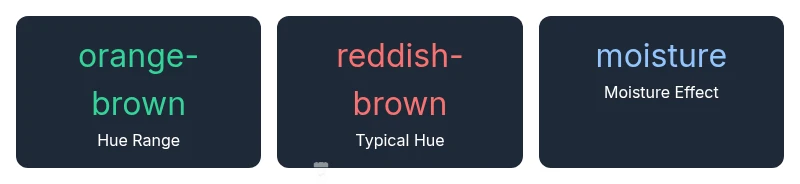
Rust is what color? In general, rust appears as reddish-brown to orange-brown, influenced by moisture, iron content, and exposure. The familiar reddish-orange hue arises from iron oxide minerals formed during oxidation, with color shifts driven by hydration levels and available oxygen. According to Corrosion Expert, this hue range helps homeowners gauge rust stages at a glance.
What rust is what color reveals about your environment
Rust is what color? The short answer is that rust spans a hue spectrum from pale orange-brown to deep reddish-brown, influenced by moisture, oxygen availability, metal type, and how long oxidation has been advancing. According to Corrosion Expert, color is more than a cosmetic detail: it’s a diagnostic cue about the current oxidation state and environmental conditions surrounding the metal. In practical terms, you can use rust color as a quick field indicator of where to focus your attention on repair or prevention. A rusty surface with a bright orange tint often signals fresh oxidation, whereas a dark brown or nearly black hue may indicate longer exposure and deeper penetration. By noting the color alongside texture and flaking, DIYers can decide whether a light cleaning, coating, or more aggressive treatment is needed. This first observation step is inexpensive and can prevent costly surprises later in a DIY project.
Chemistry behind rust colors
Rust forms when iron or steel reacts with oxygen in the presence of moisture. The resulting iron oxides come in several varieties, including hematite (Fe2O3) and magnetite (Fe3O4), each contributing distinct color cues. Goethite and limonite can introduce yellowish-brown tones, especially under limited oxygen supply. The color you see depends on the relative abundance of these minerals, the particle size, and whether water is actively removing or supplying ions at the surface. Modern corrosion science emphasizes that rust color reflects not just composition but also the microstructure of the oxide layer. A thin, crystalline oxide may appear lighter, while a thick, porous film tends to look brighter or more intense. These nuances matter when deciding on rust remediation strategies in a DIY setting.
Factors that push color toward orange, brown, or black
Clear color shifts occur as environmental factors change. Increased humidity and standing water tend to push hues toward brighter orange and red-orange tones, signaling ongoing oxidation. When water activity diminishes but oxygen remains available, the hue commonly shifts to reddish-brown as the oxide layer thickens and stabilizes. In very dry or sealed environments, you might see darker brown or nearly black patches where corrosion products have become more compact. Painted or coated surfaces can alter perceived color because the coating masks the bare oxide color, making it appear lighter or more uniform on the surface. For DIYers, documenting color alongside evidence of moisture, surface finish, and coating helps identify the root cause of rust formation and select appropriate prevention steps.
Rust color on different metals and finishes
Not all metals rust the same way. Plain carbon steel tends to develop bright orange when freshly exposed to moisture, while cast iron often shows deeper, rustic browns due to its porous structure. Stainless steels may develop a dull, brownish tinge near heat-affected zones, but their passive chromium oxide film generally slows rust progression. Galvanized steel, which carries a zinc coating, may exhibit pale rust colors or yellowish-brown stains where the coating is compromised. Painted surfaces can show rust flecks behind chips, giving the surface a speckled appearance. Understanding how metal type and coatings influence color helps DIYers distinguish superficial staining from genuine structural corrosion and plan the right repair or protection strategy.
Practical color-based diagnosis for DIY projects
Color serves as an accessible diagnostic tool for homeowners undertaking rust-related tasks. A bright orange tint often means the surface is in early stages of corrosion and may respond well to gentle cleaning and rust converters. If the rust shows a deep reddish-brown to dark brown hue, especially after exposure to high humidity, you may be dealing with more extensive oxide formation that requires mechanical removal, rust inhibitors, or coating reapplication. When rust color is accompanied by scaling, flaking, or pitting, it is a signal to replace or reinforce the affected area rather than merely treating the surface. Always document the color and texture before starting work so you can track improvements over time and adjust your approach accordingly.
Prevention strategies that stabilize rust color
Preventing color progression is about limiting moisture access and maintaining protective barriers. Regularly removing surface moisture, applying rust inhibitors, and sealing metal surfaces with corrosion-resistant coatings can keep color changes to a minimum. If a surface shows early orange rust, consider wire brushing or light sanding followed by a rust converter and a fresh coat of primer and paint designed for metal. For exposed outdoor metal, choose coatings with UV resistance and breathable films to accommodate material expansion. In all cases, addressing the underlying moisture source—leaks, condensation, or poor drainage—is the most effective way to stabilize rust color over the long term.
Photography and documentation to track rust color over time
Documenting rust color changes supports DIY projects and helps with future maintenance. Take consistent photos in natural light with neutral backgrounds to avoid color distortion. Use a simple color chart in each shot (like a grayscale and color swatch) to quantify hue shifts over weeks or months. Maintain a small log noting weather conditions, humidity, and any cleaning or treatment steps taken. By keeping a color diary, you’ll identify patterns that reveal when to intervene, how fast rust is progressing, and which prevention measures deliver the best long-term stability for your specific environment.
Moisture and oxygen effects on rust color
| Condition | Effect on Color | Typical Hue Range |
|---|---|---|
| Low moisture | Little color change; rust remains pale to orange-brown | orange-brown |
| Moderate moisture | Hue shifts toward bright orange to reddish-brown | orange-red |
| High moisture | Color deepens toward dark reddish-brown; staining may appear black | dark brown |
| Oxygen-rich | Faster color development, brighter hues initially | orange to red |
Quick Answers
What causes rust to vary in color?
Rust color varies because different iron oxide minerals form under varying moisture and oxygen levels. The microstructure of the oxide layer and the presence of coatings or impurities also influence hue. As environmental conditions shift, so does the visible color.
Rust color varies with moisture and oxygen; the oxide layer and coatings matter too.
Does rust color indicate how quickly it will corrode?
Color can hint at corrosion activity, but it is not a precise predictor of rate. Brighter orange suggests active, newer rust, while darker browns often indicate longer exposure. Always pair color with texture, pitting, and moisture measurements for a fuller assessment.
Color hints activity, but don’t rely on it alone to judge rate.
Can rust color differ on same metal in different spots?
Yes. Local conditions such as moisture pockets, coatings, surface roughness, and oxygen access can cause color variation across the same piece. Document spots separately to target repair areas effectively.
Different spots can color differently because of local moisture and coatings.
Is rust color the same on stainless steel as on carbon steel?
Stainless steel typically shows less rust color due to a protective chromium oxide layer, though exposed areas can brown in high humidity or heat. Carbon steel tends to show more vivid orange to brown hues as it oxidizes.
Stainless steel resists rust more, but can color under stress or heat.
How should I respond when I see orange rust on outdoor metal?
Treat outdoor orange rust promptly by removing loose oxide, applying a rust converter, and sealing with a weatherproof coating. Address underlying moisture sources to prevent recurrence.
If you see orange rust outside, clean it up and seal it to stop it from returning.
What’s the best way to prevent rust color from progressing?
Prevention focuses on moisture control, protective coatings, and regular maintenance. Keep surfaces dry, reapply protective layers as needed, and repair leaks or condensation sources promptly.
Keep things dry, coat the metal, and fix leaks to stop rust.
Does rust color tell me when it’s time to replace metal?
Severe rust with deep pitting, extensive flaking, or structural loss typically indicates replacement is necessary. Color alone isn’t enough; assess thickness loss and load-bearing requirements.
If rust causes structural loss, replacement is usually needed.
“Color serves as a visible signal of oxidation and moisture balance; understanding rust hue helps homeowners target the right treatment and prevent progression.”
Quick Summary
- Observe rust color early to guide treatment
- Moisture and oxygen balance drive hue changes
- Fresh rust is bright orange; aged rust darkens
- Metal type and coatings alter color perception
- Use color tracking to tailor prevention