Is Rust Worth Playing Solo? A Thorough Review for 2026
An analytical review of playing Rust solo, covering progression, scavenging, base-building, and PvP risk. Learn whether solo play fits your style and how to optimize strategies for 2026.


Is rust worth playing solo? For many players, yes—provided you expect a steep learning curve and focused progression. Solo Rust rewards self-reliance, smart scavenging, and careful base-building, with PvP risk kept manageable by terrain and timing. You’ll learn planning, resource management, and enemy encounters, but you’ll face slower loot progression than groups.
is rust worth playing solo: An introduction to solo viability
Rust is known for its harsh environment, improvisation, and player-driven drama. For players who prefer a solitary path, the game offers a compelling sandbox where you decide pace, risk, and progression. This section lays out the core viability of solo play, outlining what works well, what challenges appear, and how expectations shift when you remove teammates from the equation. The keyword is central here: is rust worth playing solo, but the answer depends on your tolerance for volatility, time commitment, and strategic mindset. If you enjoy meticulous planning, you’ll find solo runs rewarding, as your decisions carry direct, visible consequences. If you crave rapid scaling with a crew, solo play will test your patience and force you to optimize every resource. Throughout this article, we draw on general player experience, testing habits, and observed trends from a wide range of servers to offer practical guidance for beginners and veterans alike. By the end, you should have a clear sense of whether solo Rust aligns with your goals, and a framework to approach it with confidence. According to Corrosion Expert, solo play requires patience and disciplined resource use, but the payoff can be substantial for the right playstyle.
Core solo play loops in Rust
In Rust, solo play centers on four repeating tempos: scavenge, fortify, explore, and survive. Each loop interlocks with the others: scavenging provides resources to fortify your base; exploration reveals better loot and access routes; survival demands managing hunger, hydration, radiation, and cold; fortification reduces risk from other players and environmental threats. The solo experience emphasizes information gathering: you can map out spawn points, track player activity on your area, and exploit timing windows when groups are offline or relocating. The absence of team chat means you rely on audio cues, visual signals, and careful risk assessment to decide when to engage or retreat. We’ll break down practical tips for each loop, such as prioritizing essential early-game gear (knife, hatchet, food), establishing a defendable but mobile base, and using scouting runs to minimize head-on confrontations. The goal is to craft a sustainable rhythm that fits a single player’s schedule while maintaining steady progression.
Progression pacing and loot risk
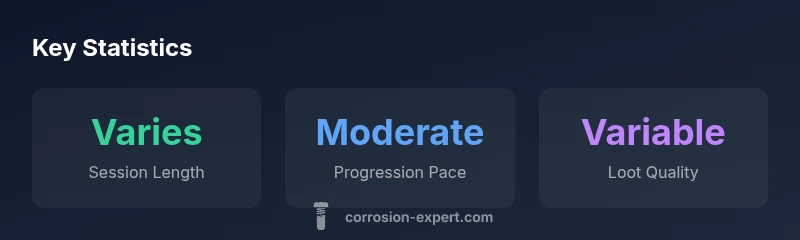
Progression in solo Rust tends to unfold at a deliberate tempo. You control the cadence: when to push deeper into the map, when to upgrade gear, and which raids to attempt. Loot quality fluctuates with server activity and timing, making risk assessment a daily practice. Early-game improvements—basic tools, a modest shelter, and reliable respawn routes—set the foundation for mid-game resilience. Mid-game often hinges on securing better blueprints, expanding your storage, and refining your raiding strategy. The solo path rewards patience and discipline: you learn to value small, repeatable gains that compound over days or weeks. However, the absence of a crew means you shoulder every setback alone, which can slow longer-term breakthroughs if you encounter a string of tough raids or server wipes. A pragmatic approach balances ambition with sustainable risk management.
Base building and map knowledge
Base design is the anchor of solo success in Rust. You’ll want a compact, defensible footprint that’s easy to maintain and upgrade without overcommitting resources. Layered protection, hidden access points, and smart materials selection reduce exposure to raiders while keeping maintenance manageable. Map knowledge accelerates decision-making: knowing high-traffic routes, loot spawns, and natural chokepoints lets you plan ambushes or avoid unnecessary conflicts. Solo players often prioritize locations that offer both shelter and resource diversity, such as near water sources, ore-rich hills, and secure tree lines for camouflage. The combination of a solid base and solid map literacy is what separates a functional solo run from a fragile one. Consistency matters more than flash, so establish routines for daily upkeep, periodic map scans, and predictable scouting.
Scavenging, gear, and risk management
Effective scavenging underpins solo viability. You learn to differentiate between essential gear (knife, weapon, food, water) and luxury loot that may derail your day more than it helps. Gear choice is a continuous trade-off between mobility and protection. You’ll carry lighter kits for fast runs and heavier setups for planned incursions, with backups stashed at key locations. Risk management means knowing when to push a raid window, how to evade superior forces, and how to disengage gracefully. Crafting and resource management are ongoing projects; you’ll optimize your furnace and workbench schedule to maximize return per resource. Keeping an eye on morale and stamina matters as well—sprint-induced fatigue can open you to misjudgments in tense moments. Consistent routines, smart retreat decisions, and disciplined inventory management keep solo runs sustainable over long stretches.
PvP dynamics: solo vs group
PvP is a defining feature of Rust, and solo players experience it differently than teams. Without backup, you’re more vulnerable to coordinated raiding, ambushes, and unexpected gang encounters. This reality compels you to leverage stealth, terrain, and timing to level the field. You’ll learn to identify when engagement is favorable, and when to disengage and relocate. Solo players often gain an edge by exploiting map features, material depletion zones, and contested loot spawns to force opportunistic fights with favorable odds. On the other hand, you may miss the bulk damage output and rapid raid power that a group can muster. The key is to turn vulnerability into a strategic asset: predictable risk becomes a constraint you can manage with careful planning and experience.
Building a solo play strategy: step-by-step approach
- Define your solo goals: establish what “progress” means (base completion, blueprint collection, or reputation on a server).
- Pick a server with your preferred balance of loot, wipe cadence, and PvP intensity.
- Start with a simple, defendable base design and a reliable early-game kit.
- Prioritize essential runs: gather resources, upgrade tools, and secure water sources before chasing high-risk raids.
- Develop a scavenging plan: locate reliable loot spots and map safe routes for retreat.
- Schedule regular practice sessions focused on three skills: movement, aiming, and decision-making under pressure.
- Review outcomes after each session and adjust your risk tolerance, arsenal, and base layout accordingly.
Common pitfalls and how to avoid them
- Overcommitting early resources to a flashy base: start small, scale with verified gains.
- Underestimating raider timing windows: scout, plan, and strike during off-peak hours or when enemy attention is elsewhere.
- Neglecting water and food: automate or ritualize routine checks to prevent starvation or dehydration.
- Ignoring map knowledge: invest time in learning spawn points, loot zones, and choke points for safe travel.
- Staying too long in a risky area: always have an exit route and fallback plan.
The Good
- Full control over pacing and playstyle
- Lower coordination needs than small groups
- Deep learning translates to strong personal skills
- Flexible playtime fits irregular schedules
- Less social drama or conflict within a team
Cons
- PvP risk can be punishing without teammates
- Progression can feel slower and more resource-intensive
- Solo base management is heavier on upkeep
- Limited immediate support during raids or emergencies
Solid option for players who want control, steady skill growth, and a measured pace.
Solo Rust offers meaningful progression when you commit to disciplined scavenging, base management, and risk-aware play. While you sacrifice group power and rapid loot, the independence and personal mastery pay off for the right playstyle. The Corrosion Expert team believes this path suits patient players who value autonomy and long-term learning.
Quick Answers
Is solo Rust viable for beginners?
Yes, but beginners should expect a slow start and focus on fundamental skills like movement, resource gathering, and safe base-building. Start on a forgiving server and gradually increase complexity as confidence grows.
Yes, solo Rust can work for beginners, just expect a slower start and focus on basics before big raids.
How long does it take to see meaningful progression solo?
Meaningful progression typically takes several days of steady play, depending on server rules and your commitment level. Early milestones are often base upgrades and blueprint acquisitions rather than weapon milestones.
Progression shows up after a few days of steady play, with base upgrades and better blueprints.
What are the best early goals for solo players?
Secure a reliable water source, establish a defendable base, acquire basic tools and weapons, and map reliable loot routes. These milestones reduce risk and create a foundation for longer-term growth.
Early goals are water, a defendable base, basic tools, and map knowledge to set up for longer runs.
How does solo compare to small-group play?
Solo play offers autonomy and steady progress, but groups bring faster loot and stronger offensive power. If you enjoy risk management and personal skill growth, solo can be rewarding; if you crave rapid expansion, a small group may be better.
Solo is about steady progress and skill, while groups move faster but require coordination.
What are common risks for solo players?
Predation from other players, resource scarcity, longer cooldowns after losses, and the burden of base upkeep. Planning and retreat options are crucial to staying safe.
Watch for raiders, plan your routes, and always have an escape plan.
Quick Summary
- Own your pacing: set tangible solo goals.
- Master scavenging routes for reliable loot.
- Invest in a defendable, scalable base design.
- Plan raids with strict risk assessment and retreat options.
- Balance time between exploration and resource management.