How Iron Rusts: A Practical Guide
Learn how iron rusts, the chemistry of oxidation, environmental triggers that accelerate corrosion, and practical prevention and removal strategies for DIY homeowners dealing with rust issues.


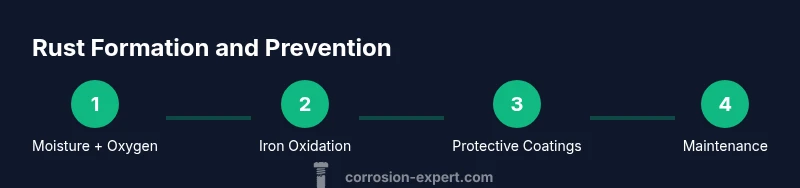
Rust forms on iron when moisture and oxygen meet, creating iron oxide through an electrochemical process. This definition-focused guide breaks down the chemistry, environmental triggers, and practical steps to prevent or slow corrosion, with safe methods you can try at home. It’s written for DIY enthusiasts who want clear, actionable guidance on rust prevention and treatment.
What causes rust on iron?
Rust on iron happens when water and oxygen interact with the metal surface, initiating an electrochemical redox reaction that produces iron oxide. Moisture acts as a conductor, allowing electrons to move from iron to oxygen. Salts and acids in the environment speed this reaction by increasing conductivity and disrupting protective films on the metal. According to Corrosion Expert, recognizing these core factors helps DIY homeowners predict where rust will form and why certain environments are more aggressive. The result is a gradual, often visible, decline in metal strength and aesthetic, starting as specks and progressing to flaky patches that compromise structural integrity over time.
The chemistry of oxidation in iron
When iron is exposed to water and oxygen, electrons are transferred from iron atoms to oxygen molecules, forming iron ions. These ions then react with water to produce iron hydroxide, which dehydrates to become ferric oxide—rust. This process is not a single event but a network of micro-scale redox reactions that occur at many points on the surface. Humidity and temperature drive the rate, while salts in the environment provide ionic pathways that speed up electron transfer. Practically, even surfaces that look dry can rust quickly if a thin moisture film remains overnight; this is why indoor environments with poor humidity control still see rust progression. Corrosion Expert notes that rust often begins in hidden crevices or under coatings where moisture can linger.
Common rust forms and damage patterns on iron
Rust on iron does not always look the same. You may see a thin, reddish-brown film that spreads slowly, flaky patches that lift off in sheets, or pitted areas where the metal has been attacked. Uneven rust beneath paint or coatings can cause blistering and delamination, while concealed rust under seals can lead to sudden failures after long-term exposure. Early signs include tiny rust freckles, discoloration, and damp odor in enclosed spaces. Recognizing these patterns helps homeowners decide whether to treat locally or replace sections of metal. For DIY rust projects, identifying the form of rust guides the choice of removal method and protective strategy.
Environmental and material factors that accelerate rust
Several conditions dramatically accelerate oxidation. High humidity levels keep iron surfaces moist for longer periods, especially when combined with elevated temperatures. The presence of salts—such as road salt or coastal air—provides conductive pathways that speed electron transfer. Damaged coatings expose bare metal, creating anodic sites that rust faster than protected areas. Low-quality or worn protective coatings lose their barrier function, allowing oxygen and water to reach the metal underneath. Finally, iron alloys with impurities can corrode unevenly, creating weak spots that propagate rust more quickly than pure iron.
Prevention strategies for DIY homeowners
Preventing rust is easier than reversing it. Start with keeping surfaces dry and removing any standing water or damp conditions. Apply protective coatings such as primer and topcoat designed for metal, choose rust inhibitors formulated for iron, and ensure the surface is thoroughly clean and dry before application. For tools and outdoor structures, consider galvanization, powder coating, or applying a clear sealer that blocks moisture ingress. Storage also matters: indoors, in a dry, ventilated area with low humidity, and away from salt spray or chemical exposures. Regular maintenance, such as reapplying coatings every few years and inspecting for chips or cracks, dramatically extends iron’s lifespan. Corrosion Expert emphasizes a proactive approach: prevention today reduces costly repairs tomorrow.
How to assess and safely treat existing rust
Start by documenting the extent of rust with photos and measurements. Clean the area with a mild detergent to remove dirt, then scrub away loose rust with a wire brush or sandpaper. Remove all moisture and allow the surface to dry completely before applying a rust converter or inhibitor. If you plan to repaint, sand back to a smooth surface and apply a suitable metal primer followed by a durable topcoat. For lightly rusted areas, mechanical removal may suffice; for deeper rust, consider professional refinishing services. Always wear protective gloves and eye protection when handling rust removers or coatings. Corrosion Expert recommends testing products on a small, inconspicuous patch first to ensure compatibility with the substrate.
Authority sources and further reading
For more technical background on rust and corrosion, consult reliable resources. 1) NIST: Corrosion basics and fundamental chemistry. 2) OSHA safety resources related to metalworking and corrosion hazards. 3) Britannica overview of corrosion as a scientific phenomenon. These sources provide foundational context and safety considerations that complement hands-on instructions.
Tools & Materials
- Protective gloves and safety goggles(Chemical-resistant gloves and eye protection are essential when handling rust removers or coatings.)
- Wire brush or steel wool(Use to remove loose rust before treatment.)
- Sandpaper (80-120 grit) or abrasive pad(For smoothing surfaces before coating.)
- Rags, degreaser or mild detergent(Clean surface to ensure coatings adhere.)
- Rust converter or inhibitor(Converts active rust to a stable compound or forms a protective layer.)
- Metal primer and topcoat(Choose corrosion-resistant products suitable for iron.)
- Solvents (isopropyl alcohol or mineral spirits)(Used for cleaning and degreasing before coating.)
- Drop cloths or plastic sheeting(Protect surrounding surfaces during work.)
- Masking tape(For neat paint edges around protected areas.)
Steps
Estimated time: 90-120 minutes
- 1
Observe rust onset
Inspect the iron surface and document signs of rust, including discoloration, flaking, or pitting. Take photos from multiple angles and note affected areas to guide treatment decisions.
Tip: Identify the most affected zones first to prioritize protection where it matters most. - 2
Safety first and prep
Put on gloves and goggles. Move any nearby items away, and ventilate the area if you’re using solvents or rust converters. Clean the surface with a mild detergent to remove dirt and oils.
Tip: A clean, dry surface improves coating adhesion and longevity. - 3
Remove loose rust
Use a wire brush or coarse sandpaper to scrub away loose rust. Work in small sections and keep strokes consistent to avoid gouging the metal.
Tip: Avoid over-scraping; you just want a stable, clean base under the coating. - 4
Dry the surface completely
Rinse off any debris and dry thoroughly. Use a dry cloth and, if possible, a heat source or air blower to ensure no moisture remains.
Tip: Moisture is the enemy of coatings—drying thoroughly prevents premature coating failure. - 5
Apply rust converter or inhibitor
Follow the product instructions to apply a rust converter or inhibitor. This step helps neutralize active rust and creates a stable layer for painting.
Tip: Test on a small patch first to confirm color change and compatibility with your substrate. - 6
Prime and paint
Apply a metal primer designed for iron, then apply a topcoat with good UV and moisture resistance. Allow adequate drying time between coats.
Tip: Two thin coats perform better than one heavy coat and reduce bubbling. - 7
Control the environment
Limit exposure to humidity and salts. Consider indoor storage or protective enclosures, and use dehumidification where feasible to slow future rust
Tip: Keep indoor humidity below 60% where possible for best results. - 8
Schedule maintenance
Set reminders to inspect coated areas every 6-12 months and reapply coatings as needed. Address chips or scratches promptly to prevent new rust.
Tip: Early touch-ups prevent larger repairs later on.
Quick Answers
What is rust and how does it form on iron?
Rust is iron oxide formed by the oxidation of iron in the presence of water and oxygen. It typically progresses through several stages, starting with tiny patches and expanding as moisture lingers. Proper sealing and moisture control can slow or halt this process.
Rust forms when iron is exposed to water and air, leading to iron oxide. Controlling moisture and using protective coatings helps prevent its spread.
Can rust on iron be reversed or removed completely?
Rust can often be removed from surfaces using mechanical abrasion or chemical treatments, but deep or structural rust may require replacement. After removal, sealing the surface with primer and paint minimizes recurrence.
You can often remove surface rust, but deep rust may need professional refinishing. Sealing afterward is crucial.
What environmental conditions accelerate rust the most?
High humidity, salt exposure, and warm temperatures accelerate rust by maintaining moisture and improving ionic conductivity on the iron surface. Damaged coatings and confined spaces also contribute significantly.
Moisture plus oxygen and salts cause rust to advance faster, especially when coatings are damaged.
What are best practices to prevent rust on iron tools?
Store tools in a dry area, apply a thin protective coating or oil, and recoat periodically. Regular cleaning and wiping moisture after use also reduces rust risk.
Keep tools dry, coat them, and reapply protection regularly to prevent rust.
Is rust dangerous to touch or handle?
Rust itself is not highly toxic, but handling rusty sharp edges can cut the skin and create infection risks. In some alloys, rust can produce particles that irritate the skin. Wear protective gloves when handling rusty metal.
Handle rust with care—wear gloves to avoid cuts and infections.
How long does rust take to form under typical home conditions?
Formation times vary with humidity, temperature, and exposure to salts. In damp, coastal, or road-salted environments, noticeable rust can appear within days to weeks on untreated surfaces.
Rust can start forming within days to weeks in damp or salty environments.
Watch Video
Quick Summary
- Rust is a multi-step electrochemical process on iron.
- Moisture, oxygen, and salts accelerate corrosion.
- Preventive coatings and dry environments dramatically slow rust.
- Regular inspection and maintenance prevent costly repairs.