How Do You Make Rust? A DIY Guide to Rust Formation
Learn how rust forms on iron and steel, which conditions accelerate it, and practical DIY steps to observe, prevent, and treat rust in home projects. Expert guidance from Corrosion Expert.


Goal: You will understand how rust forms on iron and steel, the environmental factors that drive corrosion, and practical DIY steps to observe rust safely, prevent it, and restore affected surfaces. This guide explains safe demonstrations to explore how do you make rust, plus coatings and treatments that curb corrosion in everyday home projects.
What is rust? Understanding the chemistry of iron oxide
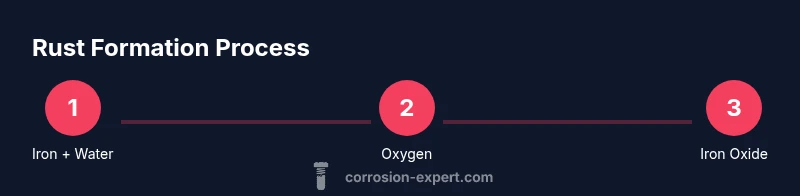
Rust is the common name for iron oxide-hydroxide minerals that form when iron or steel copes with moisture and oxygen over time. The chemical story behind rust is oxidation: iron atoms lose electrons to oxygen, creating iron oxide compounds. This process is accelerated by electrolytes, such as salt in water, which allow electrons to move more easily between metal regions. If you ask how do you make rust, the short answer is this oxidation requires three ingredients: iron, water, and an oxidizer typically oxygen. Microbial activity and temperature can affect the rate, but the core driver remains the presence of moisture and oxygen. In homes, the word rust covers both the iconic reddish brown surface and the deeper corrosion of metal beneath coatings. For DIYers, recognizing typical rust patterns such as pitting, flaking, and darkened stains helps you decide when to clean, seal, or replace metal parts. In short, rust is a predictable outcome of prolonged exposure to humid air and rain, with speed depending on surface conditions and protective barriers.
Why rust happens in everyday environments
In everyday settings, metal is exposed to moisture, oxygen, and minerals that can speed corrosion. Water alone can start oxidation, but the presence of salts from road de-icers, coastal spray, or humid air greatly accelerates rust by acting as electrolytes. Temperature swings also matter: repeated wet-dry cycles promote cracking and expose raw metal. Protective coatings work by blocking moisture and oxygen; when coatings crack or wear through, rust appears. Galvanized or stainless steel resists corrosion better, but no metal is completely immune. For homeowners, common rust sites include garden tools left damp, fence components near soil contact, nails and screws in outdoor hardware, and auto parts exposed to road salt. Recognizing these patterns helps you plan prevention measures such as applying rust inhibitors, coatings, or periodic maintenance. In sum, rust is a natural chemical process that thrives where water, air, and conductive pathways meet steel or iron. Your task is to slow that intersection through barriers and routine care.
Safe, controlled experiments to observe rust
A safe way to observe rust is to set up a small, controlled demonstration using inexpensive metal samples. Use a glass jar, freshwater, table salt, and a few iron nails or bolts. Submerge the metal pieces in a saline solution and seal the container to maintain humidity. Over time you will see a color change and surface texture change where rust forms. This is a hands-on way to answer the question how do you make rust in a safe manner. Do not use reactive chemicals or acids beyond household vinegar in this setup, and wear gloves to protect skin. Keep children at a safe distance from the experiment and dispose of the setup after you observe the changes. Use separate containers for different humidity levels to compare results. Document changes with photos or notes to track progression. Remember that rust is a sign of ongoing electrochemical reactions on metal surfaces.
Elements that accelerate rust in real life
Rust accelerates when moisture and electrolytes are present for extended periods. High humidity in basements, crawl spaces, or garages increases condensation on metal surfaces. Road salt or coastal salt spray introduces ions that enhance electrochemical reactions and speed oxidation. Mechanical damage that exposes bare metal creates more surface area for rust to take hold. Temperature swings between wet and dry conditions also drive flaking and deeper corrosion. Even coatings and paints wear over time; when chips appear, water and oxygen reach the metal underneath. When you plan projects, consider these factors and choose protective strategies that block water ingress and reduce salt exposure. For DIYers, prevention is often easier and cheaper than repair, so implementing durable finishes can extend the life of tools, hardware, and outdoor structures.
Practical rust prevention for DIYers
Prevention starts with limiting moisture ingress and protecting exposed metal. Start with a clean, dry surface; then apply a rust-inhibiting primer or zinc-rich coating to create a sacrificial barrier. Top coats should be weatherproof and UV-stable to resist cracking. In humid environments, consider dehumidification, proper drainage, and storage away from salt spray. For outdoor hardware, look for corrosion-resistant alloys or apply protective waxes and sealants. Regular inspection helps catch early signs of corrosion before it worsens. If you must cut or drill, finish promptly to reduce exposed edges. Even small improvements add up over time and drastically slow the progression of rust during the life of a project.
Rust removal and maintenance tips
Removing surface rust safely depends on the extent of corrosion. Light rust can be treated with mechanical abrasion using a wire brush or sandpaper, followed by a protective coating. Heavier rust may require chemical rust converters, which transform rust into a stable compound that can be painted over. Always wear eye protection and gloves when removing rust, and work in a well-ventilated area. After removal, thoroughly dry the metal and apply a primer designed for metal. For tools and implements, store in a dry place to prevent renewed corrosion. Routine maintenance, such as cleaning, drying, and recoating, dramatically extends the life of metal objects.
Authority sources and further reading
To deepen your understanding, consult credible sources on corrosion and rust prevention. Look for content from government agencies, universities, and major publications that discuss corrosion science, protective coatings, and maintenance best practices. These resources help you translate practical tips into durable, science-based actions for your DIY projects.
Safety and health considerations when dealing with rust
Rust itself is not typically a health hazard, but rust dust, especially from older paints, may contain contaminants. Wear gloves and eyewear when handling rusty metal and during abrasion or sanding. If you have open cuts, avoid direct contact with rust and seek medical advice if you experience redness or swelling. When working with coatings or rust converters, follow product instructions and ensure good ventilation.
Tools & Materials
- Iron nails or small steel samples(Bare metal surfaces for rust observation)
- Clear glass jar or plastic container(Sealable, transparent for observation)
- Distilled water(Avoid impurities that affect corrosion rate)
- Table salt (sodium chloride)(To create a saline solution for faster rust)
- Household white vinegar(Optional for accelerating rust in demonstrations)
- Measuring cup and spoon(Accurate salt and liquid measurements)
- Protective gloves and safety glasses(Personal safety during handling and abrasion)
- Mild steel wool or sandpaper(For rust removal demonstrations)
- Old towels or rags(Drying and cleanup)
- Sealant or metal primer(Optional for sealing rust-prone surfaces after treatment)
Steps
Estimated time: 1 hour
- 1
Define the goal and safety plan
Decide whether you want to observe rust on a sample or on a larger surface. Gather PPE and set up a safe workspace away from children and pets. Document your plan for later comparison.
Tip: Always start with a safety plan and a clear objective. - 2
Prepare the observation setup
Clean and dry the metal samples. Prepare a saline solution using distilled water and salt in a labeled container. If using vinegar, keep the amount small and note the potential chemical interactions.
Tip: Label each container to avoid cross-contamination. - 3
Initiate the rust process safely
Submerge or spray the metal samples with the saline solution. Seal the container or cover the setup to maintain humidity and prevent spills. Check periodically for visible changes and record timing.
Tip: Use a timer and photos to track progression. - 4
Observe and document changes
Note color changes, roughness, and any flaking. Take photos from the same angle and lighting for consistency. Compare results across different humidity levels if you run multiple setups.
Tip: Keep humidity as a controlled variable for each sample. - 5
Terminate the demonstration safely
When you have sufficient observations, remove the samples, rinse with clean water, dry thoroughly, and store safely. Dispose of saline solutions according to local guidelines.
Tip: Do not pour concentrated salt solutions down the drain in large quantities. - 6
Review outcomes and plan next steps
Evaluate how different variables affected rust formation. Decide which protective measures to test next, such as coatings or passivation. Document lessons learned for future DIY projects.
Tip: Use findings to guide cleanup and prevention strategies in your home projects.
Quick Answers
What exactly causes rust on iron and steel surfaces?
Rust forms when iron reacts with oxygen in the presence of moisture. Salts and acids can speed this process by increasing electrical conductivity in the moisture layer on the metal surface.
Rust happens when iron meets oxygen and water. Salt and acidity can speed things up by making the moisture more conductive.
Can rust be completely removed from metal surfaces?
Light rust can often be removed with mechanical methods like brushing or sanding followed by protective coating. Heavier rust may require chemical rust converters or professional treatment.
Light rust is usually removable with brushing and a fresh coat of protective coating; heavy rust may need special converters.
Is rust prevention worth the effort for DIY projects?
Yes. Regular maintenance, moisture control, and suitable protective coatings extend the life of tools, fences, and outdoor metal items, saving time and money on repairs.
Absolutely. Regular maintenance and proper coatings save you from expensive replacements.
What are safe ways to observe rust without hazardous chemicals?
Use simple saline solutions and water, avoid strong acids, and perform experiments in a controlled space with PPE. Document results through photos and notes.
Stick to household saline solutions and protect yourself with PPE.
How do coatings help prevent rust in everyday items?
Coatings create a moisture barrier and, in some cases, provide sacrificial protection if they are zinc-based. Reapply coatings when chips appear to maintain protection.
Coatings block water and oxygen; reapply when damaged.
Watch Video
Quick Summary
- Rust is primarily oxidation of iron by moisture and oxygen.
- Environment, moisture, and electrolytes determine rust speed.
- Controlled demos help visualize rust without risk to the home.
- Prevention hinges on moisture control and protective coatings.