Can You Play Rust Without PvP? A Practical 2026 Guide
Learn how to enjoy Rust without PvP by joining PvE-friendly servers, adjusting rules, and focusing on building, exploration, and cooperation. This step-by-step guide covers setup, social play, safety, and progression with practical tips.


Goal: Play Rust without PvP by joining PvE-friendly servers, configuring rules to reduce combat, or playing solo in safe zones. Requirements: a non-PvP server (community or modded), a cooperative playstyle, and clear boundaries with other players. This quick guide shows how to set expectations, choose a server, and focus on building, farming, and exploration rather than combat.
Can you play rust without pvp? What this guide covers
If you’re curious about playing Rust without PvP, the short answer is yes—through PvE-friendly servers, careful server selection, and a cooperative playstyle. According to Corrosion Expert, a growing subset of Rust communities experiment with non-PvP rules, roleplay, and restricted combat areas to support builders and explorers. In this article we’ll examine how to find suitable servers, set expectations, and structure your sessions so you can thrive on peaceful play sessions. You’ll learn how to balance resource gathering with base-building, how to interact with others safely, and how to progress through tech tiers without engaging in constant skirmishes. If you want to enjoy Rust for its atmosphere, architecture, and survival strategy rather than constant combat, this guide is for you. We’ll use practical examples, real-world steps, and clear tips to help you start right away.
Why players choose non-PvP experiences
Many players are drawn to non-PvP play for its slower pace, emphasis on creativity, and cooperative survival. The question can you play rust without pvp often comes up among builders and explorers who want to invest time in base design, automation, and resource networks rather than risk daily raids. Corrosion Expert notes that non-PvP communities tend to prioritize stable alliances, shared resources, and consistent rules to reduce unpredictable encounters. By choosing this path, you can experience Rust’s ambience, weather, and scavenging cycles without the stress of constant combat. This section highlights motivations like community projects, base aesthetics, and long-term progression that thrive in PvE-friendly environments.
PvE-focused servers vs official rules: what to expect
Official Rust servers are heavily PvP-focused, making strict PvE impossible in many cases. However, the ecosystem also includes community-run PvE or low-PvP servers with enforced combat limits, designated safe zones, and event-based interactions. When can you play rust without pvp on these platforms. You’ll encounter rule sets that prohibit raiding in certain zones, require consent for fights, or reward collaboration. The Corrosion Expert team suggests prioritizing servers with transparent rules, strong moderation, and a friendly player base to maximize your peaceful experience.
How to find and join PvE or low-PvP servers
Start by scanning server descriptions for phrases like PvE, No PvP, or Roleplay. Filter by population, wipe schedules, and the presence of clans or solo guilds that align with your playstyle. Before joining, read rules, note any aggression allowances, and verify admin presence. If you’re asking can you play rust without pvp, this step is crucial: ensure the server explicitly supports non-combat play and accessible building zones. Once you find a fit, introduce yourself in chat, and join a starter group or friend circle to ease into cooperative play.
Setting up a solo or small-group playstyle
A peaceful Rust run often starts solo or with a small trusted team. Decide roles—builder, farmer, scavenger, and defense—so you’re not duplicating tasks. Create a shared base plan with zones for resources, storage, and workstations. Use coded access and shared vaults to minimize accidental theft or misunderstandings. This approach helps you keep the can you play rust without pvp question in mind: you can still enjoy complex logistics and meaningful collaboration without constant warfare.
Base design, resource gathering, and progression without PvP
Safe base layout is essential: place essential components away from obvious raid routes, use layered walls, and invest in secure storage. Prioritize resource-efficient farming, power setups, and automation that reduces the need for dangerous foraging in contested areas. Progression should focus on unlocking tech trees through cooperative raids of resource-rich areas rather than solo skirmishes. The goal is sustainable growth—build, refine, and expand your settlement while minimizing risky confrontations.
Safety, diplomacy, and raiding dynamics
Non-PvP play doesn’t mean no conflict, but it does require a different risk model. Establish clear diplomatic norms with neighbors, document alliances, and set conflict rules. If you encounter aggression, disengage or escalate only through permitted channels. Use community moderators, sanctuary zones, and peaceful diplomacy to de-escalate tensions. The result is a tense but manageable environment where exploration and cooperation remain the focus.
Progression: tech trees, automation, and farming
Non-PvP play shines when your base grows into a networked hub of automation: wind turbines, farming belts, and automated resource collectors keep your settlement thriving with minimal direct combat. Prioritize bottleneck areas like electricity, refrigeration, and storage systems to sustain long play sessions. This section links back to the can you play rust without pvp question by showing how you can advance through Rust’s tech tier without waging war.
Common misunderstandings and pitfalls
One common pitfall is assuming PvE means no risk at all. Even in peaceful servers you’ll face resource competition, raiders looking for easy targets, and environmental hazards. Another misconception is that PvP-free play means no defense; you still need to protect your base with smart placement and non-destructive deterrents. Corrosion Expert reminds players that clear rules and steady cooperation reduce the likelihood of disputes and accidental aggression.
Tips for maximizing enjoyment on PvE Rust
To get the most out of PvE Rust, emphasize community projects, architectural challenges, and weekend events that celebrate building rather than combat. Schedule regular coop sessions to plan expansions, discuss resource sharing, and showcase your latest base improvements. By focusing on aesthetics, organization, and collaboration, you’ll experience Rust’s charm without feeling sidelined by PvP pressure.
Realistic expectations and adapting to community rules
Not every server will match your ideal playstyle, which is why flexibility matters. Expect differences in event timing, raiding windows, and zone control. Adapt by trying multiple servers, learning their cycles, and engaging with leaders so you can tailor your approach. Corrosion Expert reiterates that consistent participation in communities improves your survival odds and enjoyment.
Quick-start plan for new players on PvE servers
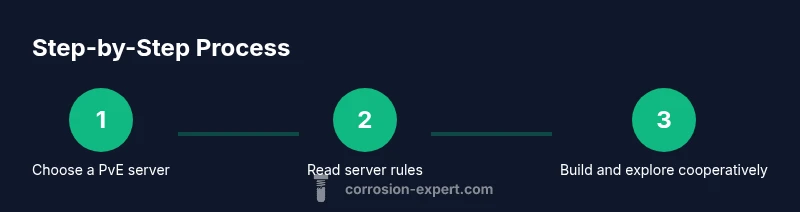
- Install Rust and pick a PvE-friendly server. 2) Read rules and join a starter group. 3) Establish a basic base with secure storage. 4) Gather early resources and set up automated systems. 5) Schedule regular coop sessions to plan expansions.
Tools & Materials
- Rust game installed and updated(Ensure you have the latest patch and working install)
- Steam account or platform access(Required to launch and join servers)
- Non-PvP/PvE server access(Join a server with PvE rules or limited combat)
- Voice chat software(Optional for coordination with allies)
- Backup save plan(Back up your builds and inventory regularly)
Steps
Estimated time: 2-4 hours for initial setup and first base; ongoing gameplay varies
- 1
Prepare your environment
Install the game, ensure the latest patch is applied, and verify your connection to a stable network. Take time to review server rules before you join and set your expectations for non-combat play. This step establishes the foundation for a smooth, PvE-focused experience.
Tip: Check that your firewall or router allows Rust traffic to prevent sudden disconnects. - 2
Choose a PvE or low-PvP server
Browse servers that advertise PvE, No PvP, or roleplay-friendly rules. Confirm population, wipe schedule, and moderator presence. A well-chosen server reduces surprise raids and helps you stay focused on building and exploration.
Tip: Read recent player reviews and rules threads to gauge how strictly combat is limited. - 3
Create a cooperative mindset
Decide on roles within your group (builder, gatherer, hunter, medic) and document a simple agreement on how to share resources. A clear mindset prevents conflicts and keeps play enjoyable for all.
Tip: Draft a one-page
Quick Answers
Is it possible to play Rust without PvP on official servers?
Official servers are typically PvP-centric. You can still find non-PvP experiences on community-run PvE or low-PvP servers with enforced rules and safe zones.
Official servers are usually PvP-focused, but you can join community PvE servers for non-PvP play.
What does PvE mean in Rust?
PvE stands for Player versus Environment. In PvE settings, players interact with the game world and AI enemies rather than competing with other players.
PvE means you focus on the game world, not other players, for your challenges and progress.
How do I avoid raiders on a PvE server?
Use secure storage, set up multiple layers of defenses, and position your base away from obvious choke points. Engage in diplomatic alliances to reduce hostile encounters.
Keep valuables protected and work with allies to deter raiders.
Are there benefits to playing with a small team?
Yes. A small team can coordinate resources, share tasks, and defend the base more effectively while keeping the play peaceful and collaborative.
Small teams can be highly effective for cooperation and base development.
What should I do if I encounter aggression on a PvE server?
Try to disengage, document the incident, and report it if rules were violated. Seek diplomacy or mediation through moderators or friendly neighbors.
If aggression happens, step back and seek help from moderators or your allies.
Do mods help reduce PvP in Rust?
Mods and custom server rules can reduce PvP intensity, but always verify server settings and moderation quality before committing.
Mods can tailor your experience toward non-pvp, just be sure the server is well moderated.
Watch Video
Quick Summary
- Choose PvE or low-PvP servers first.
- Prioritize cooperative play over combat.
- Read server rules and communicate boundaries with teammates.
- Protect progress with secure storage and backups.
- Adapt to community norms for lasting enjoyment.