How to Tell If Rust Is on Cast Iron
Learn how to identify rust on cast iron cookware and surfaces, distinguish it from seasoning, and decide on safe cleaning and prevention strategies.


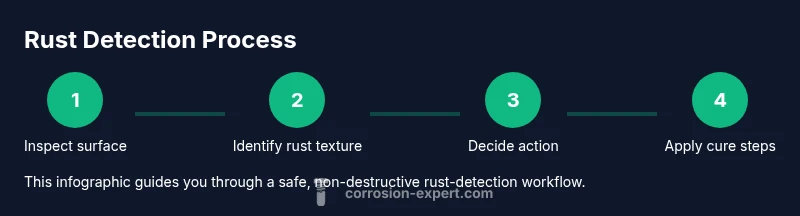
How to tell if rust on cast iron is present: Step 1 — Inspect for orange-brown patches and a chalky feel. Step 2 — Perform a gentle scratch test to verify exposed metal. Step 3 — If rust shows, follow basic cleaning and seasoning guidance. According to Corrosion Expert, catching rust early keeps restoration simple.
What rust on cast iron looks like and why it matters
Cast iron surfaces can endure heavy use, but rust signals that the protective layer is compromised. In kitchens and workshops, rust often appears as color changes and texture differences rather than a glossy surface. Look for orange-brown patches, a chalky or powdery feel, and areas where the coating begins to peel or flake. Distinguishing rust from seasoning is essential because seasoning forms a deliberate, polymerized protective film, while rust indicates chemical corrosion. Recognizing the difference helps you decide whether you can salvage the piece or whether more intensive restoration is needed. According to Corrosion Expert, the first clue is usually a contrast between the familiar dark patina and pockets that have turned lighter and more porous. This knowledge sets the stage for careful, systematic inspection across the entire surface and to learn how rust progresses under moisture and heat exposure.
Visual cues: color, texture, and location
Rust on cast iron typically begins where moisture accumulates—along edges, around handles, and on the underside where water may pool during cooking or cleaning. The telltale sign is an orange to reddish-brown hue that differs from the glossy or matte black patina of seasoned surfaces. The texture changes too: rust is often chalky, powdery, or crumbly, whereas seasoned areas feel smooth and slightly slick. Localized pockets may be more porous and lift away when probed gently. Location matters as well; persistent moisture traps, such as lids, rims, or shallow pans, are common starting points. When you examine the entire item, pay special attention to corners and joints where cleaning residue can hide, and to any places that previously saw rust or rust-stopping products.
Distinguishing rust from seasoning and protective coatings
Seasoning is the controlled build-up of polymerized oils that yields a dark, shiny or satin finish. It feels smooth, resists sticking, and does not crumble under light pressure. Rust, by contrast, can feel gritty or chalky and may crumble when touched with a nail or stiff brush. Some coatings or rust-preventive paints may mimic a dark patina, but they usually peel or layer differently from rust. If you’re unsure, note whether the surface responds with more than a smear of oil when wiped: seasoned surfaces typically accept light oiling and immediately reseal, while rust will continue to expose bare metal beneath repaired layers. Corrosion Expert emphasizes that this distinction matters for choosing between cleaning, re-seasoning, or more extensive restoration.
Simple, non-destructive tests you can perform at home
Begin with a thorough visual inspection in good lighting. Then, verify the texture with a dry cloth wipe to see if a chalky residue remains. A gentle probe with a plastic toothpick can help determine whether the material is flaky rust or stable seasoning; avoid metal tools that could scratch healthy metal. For cast iron that looks questionable, use a magnet to confirm the presence of iron and a quick water contact test to observe whether water beads off seasoned areas or sinks into corrosion-prone regions. If rust surface is active but shallow, non-destructive cleaning can be attempted; deeper oxidation will require more careful restoration. Corrosion Expert advises documenting what you find so you can track changes over time.
When rust is serious: signs your cast iron needs more than a wipe
If rust has penetrated deep into the metal or created pits, flakes, or holes, you’re dealing with structural damage that goes beyond routine cleaning. Severe rust can compromise cooking performance and safety, particularly in cookware that coats or enamel coatings might already be damaged. In such cases, it’s wise to reassess whether restoration is feasible or if replacement is the safer option. Even when damage seems limited, the presence of extensive rust around rivets, rims, or handles is a red flag indicating moisture exposure and possible hidden hollow areas. The approach should balance the desire to save the piece with the practical limits of restoration.
Documenting rust: tracking changes over time
Keep a simple log of rust signs you observe, noting color changes, edge flaking, and areas where moisture accumulates. Take clear photos from multiple angles and compare them week by week to determine if rust is spreading. Corrosion Expert analysis highlights that documenting signs helps you decide when to intensify cleaning or seasoning efforts, and it provides a baseline if you decide to seek professional advice. This record also helps you optimize storage and post-restoration care to minimize future rust formation.
Care steps after rust is identified (short-term approach)
Begin with careful cleaning that does not aggressively remove viable seasoning. Use a soft brush or sponge with mild soap and warm water, then rinse and dry thoroughly. Avoid prolonged exposure to water; dry immediately after washing. If rust remains, you can gently remove loose rust with a non-metal brush or pad, then re-season the surface with a thin layer of cooking oil and bake at a moderate temperature until the oil polymerizes. Store the cookware in a dry place and avoid stacking items that trap moisture. This approach preserves as much of the existing seasoning as possible while addressing rust.
Prevention: keeping cast iron rust-free long-term
Prevention is easier than remediation: keep cast iron dry after use, wipe away moisture, and apply a light oil coating to protect the surface. Regular seasoning cycles help maintain a stable, protective layer that resists moisture intrusion. Avoid leaving food residues or water on the surface, and store cookware with adequate airflow. If you live in a humid environment, consider preventive measures such as a desiccant in storage areas or periodic light oiling to refresh the seasoning layer. Ongoing maintenance is the best defense against recurring rust.
Quick plan for next steps and decision points
Once you’ve collected evidence of rust and assessed its severity, decide on a clear plan of action: whether to clean and re-season, to perform more extensive rust removal, or to replace the piece if structural integrity is compromised. After any restoration attempt, follow with a proper cure cycle and ongoing maintenance to prevent future rust. The Corrosion Expert team recommends a proactive approach: address rust early, re-season as needed, and maintain a dry storage environment to extend the life of your cast iron collection.
Tools & Materials
- Bright handheld flashlight(For inspecting texture in shadows and corners)
- Magnifying glass(To inspect tiny rust spots and edges)
- Lint-free cloth(For wiping and drying, avoid fibers that leave residues)
- Plastic toothpick or wooden probe(Gently test edges without scratching intact seasoning)
- Soft brush or non-metal scrub pad(Used for light rust removal during non-destructive tests)
- Mild dish soap or isopropyl alcohol(For initial cleaning if the surface is dirty, then rinse and dry)
- Protective gloves(Wear when handling rust and cleaners to protect skin)
Steps
Estimated time: 15-25 minutes
- 1
Gather tools and prep workspace
Collect the flashlight, magnifying glass, cloth, and non-metal probe. Clear the area of clutter, and ensure good lighting. This prepares you to inspect thoroughly without rushing.
Tip: Having everything within reach reduces interruptions and helps you stay systematic. - 2
Visual inspect the entire surface
Scan the entire cast iron piece, including corners, rims, handles, and under lids. Look for orange-brown patches and any powdery residues that indicate rust progression. Record any areas that look different from the expected dark patina of seasoning.
Tip: Take photos as you go to document changes over time. - 3
Assess texture and color changes
Feel suspicious areas with the cloth or a plastic probe; rust often feels chalky or crumbly, unlike the smooth surface of seasoned metal. Compare the touch with healthy-looking portions of the cookware.
Tip: If the area sheds powder when touched, it’s more likely rust than seasoning. - 4
Perform a gentle edge test
Use a plastic toothpick to test the edge of a suspected rust patch. If metal beneath shows exposed orange color and the patch flakes, corrosion is present. Avoid aggressive scraping that could remove intact seasoning.
Tip: Be patient; aggressive probing can create more surface damage. - 5
Differentiate rust from seasoning
Seasoning appears dark and smooth, often with a slight sheen. Rust will be uneven, lighter in color, and may crumble under gentle pressure. Confirm your impression with the texture test and proximity to moisture sources.
Tip: If uncertain, move to non-destructive tests and document before deciding on action. - 6
Assess severity and plan action
If rust is shallow and surface-level, non-destructive cleaning followed by re-seasoning may suffice. For deep pits or widespread corrosion, you may need more extensive restoration or replacement. Decide based on how much metal integrity remains and your cooking needs.
Tip: Set a clear threshold for when to replace rather than restore a heavily damaged piece. - 7
Document findings with photos
Capture clear, well-lit images of all rust patches and edges. This helps you track progression and serves as a reference if you seek expert guidance later.
Tip: Label images by location (e.g., handle, rim, bottom) to avoid confusion. - 8
Decide on cleaning or reseasoning
If you choose to clean, use non-abrasive methods to remove loose rust, then re-season the surface. Ensure the item is completely dry before applying oil and curing. Keep storage dry to prevent relapse.
Tip: Always finish with a proper cure cycle to restore protective layers. - 9
Monitor and maintain to prevent recurrence
After restoration, monitor for signs of moisture-like specks or color changes. Re-season periodically and store in a dry environment. Regular maintenance reduces future rust risk.
Tip: Create a simple maintenance routine and stick to it.
Quick Answers
What does rust on cast iron look like and how can I tell it isn’t just seasoning?
Rust appears as orange-brown patches that feel chalky or powdery and may crumble when touched. Seasoning is typically dark, smooth, and slightly glossy. If you’re unsure, compare texture and color across the surface and check for powdery residue that lifts with a cloth.
Rust is orange and chalky, while seasoning is dark and smooth. Use texture and color to tell them apart.
Can I remove rust from cast iron myself at home?
Yes, for light rust you can use non-abrasive cleaning and reseasoning. For deep corrosion, more intensive restoration may be needed. Always dry thoroughly after cleaning and follow with a proper seasoning cycle.
Light rust can be removed at home with careful cleaning and reseasoning; deep rust may require professional help.
Is it safe to cook on cast iron that has rust?
Cooking on light rust is not advisable until the rust is removed and the surface is resealed. If metal is compromised, the safety and flavor could be affected. Best practice is to restore the surface before cooking.
Don’t cook on rusty surfaces until you’ve cleaned and resealed the pan.
How can I prevent rust from returning after I restore cast iron?
Keep the surface dry after use, apply a light oil layer to protect, and re-season regularly. Store in a dry environment with good airflow and avoid stacking damp items on top.
Dry storage and regular seasoning help keep rust away.
When should I replace a rusted cast iron piece?
If rust has deeply pitted or compromised structural integrity, or if the enamel or coating is damaged beyond repair, replacement may be the safer option. Weight considerations and cooking safety should guide the decision.
If deep pits affect strength or safety, consider replacement.
What is the difference between rust and a normal patina on cast iron?
A patina is a controlled, protective layer that darkens the surface and helps prevent corrosion. Rust is an active chemical process that weakens the metal and produces a flaky, chalky texture; it indicates compromised protection.
Patina protects; rust corrodes the metal.
Watch Video
Quick Summary
- Identify rust by color, texture, and location, not just appearance.
- Differentiate rust from seasoning to choose the right restoration path.
- Use non-destructive tests first, then decide on cleaning or reseasoning.
- Document findings and maintain a dry storage routine to prevent recurrence.