How to Remove Rust From Cast Iron: A DIY Guide
Learn safe, proven methods to remove rust from cast iron and restore seasoning. This step-by-step guide covers mechanical scrubbing, acids, electrolysis, and prevention for long-lasting cookware.


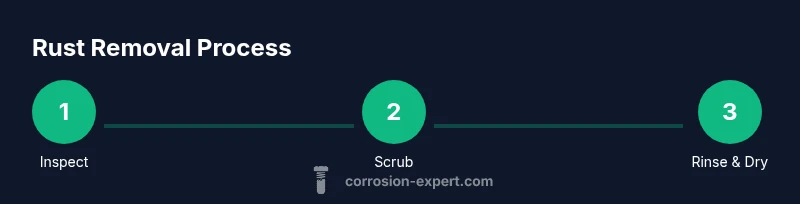
Yes. You can remove rust from cast iron using mechanical scrubbing, mild acids, or electrolysis. Start with a vigorous scrub using steel wool, then apply a rust-removal paste or soak with vinegar for stubborn spots. Rinse, thoroughly dry, and reseason the surface to restore protection. For best results, work methodically and protect your workspace.
Can You Get Rust Off Cast Iron? What to Expect
According to Corrosion Expert, rust on cast iron forms when moisture and oxygen interact with the iron surface, creating iron oxide. This guide explains practical removal methods and how to reestablish a protective seasoning layer. You’ll learn when to scrub, which solutions to use, and how to avoid damaging the pan’s patina. The goal is a clean, dry surface ready for reseasoning, not a chemical miracle—patience and proper technique matter.
Why Cast Iron Rust Happens
Cast iron is prone to rust when stored in damp environments or exposed to salted foods without thorough drying. The shiny, smooth surface of a well-seasoned pan helps resist moisture, but flaws in seasoning or heavy use in humid climates can create tiny pores for water to penetrate. Corrosion occurs fastest where water sits in corners or on rough spots. Understanding these dynamics helps you choose the right method and timing for rust removal, and it reinforces the importance of prompt drying after each use.
Safety and Prep: Gear and Workspace Setup
Before you begin, assemble basic safety gear: gloves, eye protection, and a well-ventilated workspace. Protect nearby surfaces with a drop cloth or old towels. If you’re using acids or electrolysis, follow product instructions and work in a ventilated area. Never mix unidentified cleaners, and keep pets and children away from the work area. A clean, organized space reduces the chance of leaving moisture on the pan or creating a mess that invites more rust.
Core Methods for Rust Removal: An Overview
There are several practical approaches to rust removal, and you may choose one based on how deeply rust has penetrated the surface, the pan’s thickness, and how soon you want to resume cooking. Mechanical scrubbing is the simplest first step, while acids or rust-removal pastes help with stubborn spots. Electrolysis can be effective for heavy rust or encrusted surfaces. Always finish with thorough drying and reseasoning to restore protective coating.
Method 1: Mechanical Scrubbing (The First Line of Defense)
Mechanical scrubbing is usually the fastest way to remove surface rust. Use a non-damaging abrasive (like 0000-grade steel wool or a stiff nylon brush) and work with long, even strokes along the pan’s grain. Rinse frequently to see progress and avoid pushing rust into already clean areas. If pitting is present, focus on smoothing the highest rims and flush out any loose rust. After scrubbing, wipe with a dry cloth and inspect for remaining rust—repeat if necessary.
Method 2: Chemical Aids: Pastes, Vinegar, and Mild Acids
For tougher spots, apply a paste made from baking soda and water or a mild acidic soak such as white vinegar diluted with water. Submerge or lightly coat the rusty areas and let it sit briefly, then scrub again. Avoid aggressive acids that can strip the existing seasoned layer or damage enamel. Always rinse well and dry immediately after treatment to prevent new rust from forming.
Method 3: Electrolysis: A Deep Clean for Heavily Rusted Cast Iron
Electrolysis is a powerful option when rust covers broad areas or deeply attaches to the metal. Set up a basic circuit with a battery charger, a sacrificial electrode (like a rebar or scrap steel), and a plastic container of water and washing soda. Submerge the pan, connect the negative lead to the cast iron, and the positive lead to the sacrificial electrode. Run until the surface looks clean, then rinse, dry, and reseason. This method avoids harsh chemicals but requires careful setup and safety precautions.
Rinsing, Drying, and Reseasoning: Restoring the Protective Layer
After rust removal, rinse the pan with warm water to remove residue, then dry it immediately with a towel and place it on a warm burner or in an oven to evaporate remaining moisture. Once dry, apply a thin, even coating of high-smoke-point oil (such as flaxseed or refined canola) and bake at 350–450°F (175–230°C) for about an hour. Let the pan cool in the oven to finish the seasoning layer. Repeat for a deeper seasoning if needed. Avoid pooling oil that can trap moisture in crevices.
Preventing Future Rust on Cast Iron
Prevention starts with proper drying, storage, and routine maintenance. Always dry cookware completely before storing, and avoid leaving food moisture or humidity on the surface. Store pans in a dry cabinet or with a small desiccant pack nearby. Regularly reseason after cleaning or cooking acidic dishes, and avoid dishwasher exposure, which can strip seasoning. If you live in a coastal or high-humidity area, consider an occasional light oil wipe to maintain a protective barrier.
Real-World Scenarios and Quick Fixes for Cast Iron Rust
Many DIYers encounter rust after a period of neglect or following a food preparation that left moisture on a pan. In kitchens with limited ventilation, even short exposure to steam can start a rust cycle. For most situations, start with mechanical scrubbing and use a baking-soda paste for stubborn spots, then reseason. If rust is extensive and recurs despite reseasoning, you may need to accept that the surface area has been compromised and adjust cooking practices or replace the skillet. The key is consistency: drying promptly, reseasoning regularly, and avoiding prolonged exposure to moisture.
Troubleshooting Guide: When Rust Won't Budge or Reappears
If rust returns after reseasoning, recheck the drying steps and ensure there’s no hidden moisture in handles or corners. A thicker seasoning layer can act as a more effective moisture barrier but requires longer cure times. If you notice persistent dull spots or flaking, your pan may have experienced deep pitting; in some cases, continued maintenance can stabilize the surface, but full restoration may be unlikely. In any case, maintain a routine to prevent future rust.
Tools & Materials
- 0000-grade steel wool(Gentle abrasive for initial rust removal)
- Stiff nylon brush or sponge(Carbon steel brushes can scratch; opt for nylon)
- Baking soda(For gentle pastes and cleaning)
- White vinegar (diluted)(Mild acidic option; use sparingly)
- Dish soap (mild)(For initial cleaning only; avoid harsh detergents on seasoned surface)
- Drying cloths or paper towels(Thoroughly dry after washing)
- High-smoke-point oil (flaxseed or refined canola)(For reseasoning)
- Oven or stovetop for heating(Use oven for even seasoning bake)
- Plastic container and water with washing soda (for electrolysis)(Only if using electrolysis method)
- Protective gloves and eye protection(Safety first)
Steps
Estimated time: 60-90 minutes for initial rust removal and reseasoning; additional sessions may be needed for deep rust
- 1
Assess rust and prep area
Inspect the pan for pitting and loose rust. Clear the workspace, protect surfaces, and decide which removal method fits the severity. Keep a photo log for reference during reseasoning.
Tip: Document rust patterns to track progress and decide if electrolysis is needed. - 2
Protect workspace and wear PPE
Put on gloves and eye protection. Lay down drop cloths or towels. Ensure good ventilation if using acidic cleaners and keep children/pets away from the area.
Tip: Ventilation reduces inhalation risk when using vinegar or other acids. - 3
Mechanical scrubbing
Scrub with 0000 steel wool or nylon brush in long, even strokes. Rinse frequently and inspect the metal. Repeat until the rust loses its reddish color and the surface looks uniform.
Tip: Avoid metal scrapers that can gouge patina; gentleness preserves seasoning. - 4
Chemical aid if needed
Apply a baking soda paste or a diluted vinegar soak to stubborn spots. After a short dwell time, scrub again and rinse. Do not over-soak; moisture is the enemy after rust removal.
Tip: Use mild acids sparingly to protect seasoning and avoid pitting. - 5
Drying and immediate reseasoning
Dry the pan completely using towels, then heat gently to remove residual moisture. Apply a thin oil layer and bake at 350–450°F for an hour to form a new seasoning layer.
Tip: Let the pan cool in the oven to avoid rapid temperature shifts that can warp metal. - 6
Assess seasoning and repeat if needed
Check the surface for a glossy, even patina. If dull or uneven, repeat the coating and bake cycle to deepen the seasoning.
Tip: Consistent seasoning builds a more robust moisture barrier. - 7
Final cleaning and storage
Wipe off excess oil and store in a dry, low-humidity area. Avoid storing while damp. Regular light oiling helps prevent early rust onset.
Tip: Occasional re-seasoning is easier than removing deeply entrenched rust later. - 8
When to seek professional help
If you see deep pits or the pan continually rusts despite reseasoning, consider replacement or professional restoration. A rusty bottom can affect heating and cooking performance.
Tip: Balance cost and safety; some pans aren’t worth extensive refurbishment.
Quick Answers
Can rust be completely removed from cast iron?
In most cases, surface rust can be removed and the pan reseasoned. Deep pits may limit restoration, but you can often stabilize the surface with proper seasoning and care. If pitting is extensive, replacement may be more practical.
Most surface rust can be removed, and you can reseason. Deep pits may limit restoration; replacement might be needed in severe cases.
Will rust reappear after reseasoning?
Rust can return if moisture remains or if seasoning breaks down. Dry thoroughly after each use, apply oil after cleaning, and reseason periodically to maintain a protective layer.
Rust can come back if moisture sticks around. Dry and reseason regularly to prevent it.
Is vinegar safe for cast iron, and does it strip seasoning?
Diluted vinegar can help remove rust, but it should be used cautiously to avoid dissolving seasoning. Rinse well and reseason promptly after any vinegar treatment.
Vinegar works but can strip seasoning if overused. Rinse and reseason after use.
Should enamel-coated cast iron be treated the same as bare cast iron?
Enamel-coated cast iron should not be subjected to harsh abrasives or direct seasoning steps. For enamel, focus on gentle cleaning and avoid aggressive rust-removal methods that could damage the enamel.
Enamel is different—gentle cleaning, avoid strong abrasives or seasoning steps.
How often should I reseason cast iron after rust removal?
Seasoning frequency depends on use and cleaning. Start with a coating after each rust-removal session and perform a full bake-seasoning cycle every few months if you cook acidic foods often.
Season after rust removal and reseason every few months if you cook acidic foods often.
What are signs the rust is beyond salvage?
If rust is deep and causes heavy pitting, or if your pan loses its structural integrity, replacement is often the safer option. Look for flaking, holes, or serious warping.
Deep rust with pits or warping usually means replacement is best.
Watch Video
Quick Summary
- Remove rust promptly to prevent deeper corrosion
- Rinse, dry thoroughly, and reseason after rust removal
- Store cookware in a dry environment to resist moisture
- Corrosion Expert's verdict: consistent reseasoning is essential for long-term protection